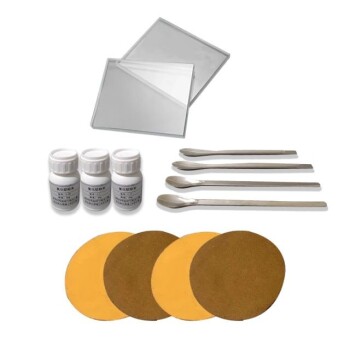
High-purity alumina polishing powder, when applied to a specialized polishing cloth, serves as a critical mechanical abrasive designed to physically strip away surface contaminants, scratches, and insulating oxide layers from Glassy Carbon Electrodes (GCE). This pretreatment process is the definitive step required to restore the electrode to a pristine, mirror-like condition suitable for sensitive electrochemical analysis.
Core Takeaway While the immediate goal is cleaning, the deeper purpose of this pretreatment is to standardize the electrode's physical foundation. A mirror-finish surface is non-negotiable for ensuring the stable attachment of modification layers—such as Metal-Organic Frameworks (MOFs)—and for guaranteeing efficient, reproducible electron transfer kinetics.
The Mechanics of Surface Preparation
Removing Physical Defects
The primary function of the alumina powder is to act as an ultra-fine abrasive.
Because alumina possesses excellent wear and abrasion resistance, it can effectively grind down microscopic irregularities on the glassy carbon surface without degrading quickly itself.
Eliminating Chemical Barriers
Glassy Carbon Electrodes often develop oxide layers or accumulate adsorbed impurities over time.
These layers act as insulators that impede electrical current. The polishing cloth, saturated with an alumina slurry, mechanically abrades these layers to expose the raw, conductive carbon beneath.
Achieving the "Mirror-Like" Finish
The combination of fine-grit powder and the soft texture of the polishing cloth reduces surface roughness to a minimum.
This creates a mirror-like surface, which defines a consistent geometric surface area essential for calculating accurate current densities.
Why Pretreatment Defines Experiment Success
Foundation for Surface Modification
Modern electrochemistry often involves modifying the GCE with advanced materials, such as Metal-Organic Frameworks (MOFs).
These complex structures require a stable, uniform substrate to anchor effectively. A polished surface ensures that these modification layers attach firmly and evenly, preventing delamination during experiments.
Optimizing Electron Transfer Kinetics
The speed and ease with which electrons move between the electrode and the solution determine the sensitivity of your sensor.
By removing resistive oxide layers, alumina polishing lowers the barrier to electron transfer. This results in sharper peaks and more reliable data in voltammetric measurements.
Understanding the Trade-offs
The Risk of Residual Particles
While alumina is chemically resistant and effective, it introduces a potential contaminant: the powder itself.
If the electrode is not sonicated or rinsed thoroughly after polishing, alumina particles may embed in the soft carbon surface. These residual particles can alter the active surface area or interfere with the adsorption of target analytes.
Grit Size Selection
Using a grit that is too coarse can introduce new scratches rather than removing old ones.
Conversely, starting immediately with the finest grit on a heavily damaged surface may fail to remove deep scratches. A step-down approach (coarse to fine) is often required for damaged electrodes.
Making the Right Choice for Your Goal
To maximize the effectiveness of your GCE pretreatment, tailor your approach to your specific experimental needs:
- If your primary focus is Surface Modification (e.g., MOFs): Prioritize achieving a visual "mirror finish" to ensure the physical stability and uniform deposition of your modifying layer.
- If your primary focus is Signal Sensitivity: Focus on the removal of oxide layers to minimize resistance and maximize electron transfer kinetics.
A meticulously polished electrode is not just clean; it is a standardized baseline that ensures your data reflects the chemistry, not the artifacts of the surface.
Summary Table:
| Component | Primary Function | Impact on GCE |
|---|---|---|
| Alumina Powder | Ultra-fine mechanical abrasive | Strips oxide layers and removes surface scratches. |
| Polishing Cloth | Slurry carrier & soft substrate | Minimizes surface roughness for a mirror finish. |
| Mirror Finish | Standardized physical foundation | Ensures stable attachment of MOFs and uniform current density. |
| Sonication (Step) | Post-polish cleaning | Removes residual alumina particles to prevent contamination. |
Elevate Your Electrochemical Precision with KINTEK
Don't let surface artifacts compromise your research. KINTEK provides high-purity alumina polishing powders, premium polishing cloths, and specialized electrolytic cells and electrodes designed for high-sensitivity analysis. Whether you are working with Metal-Organic Frameworks (MOFs) or complex battery research, our tools ensure a standardized baseline for every experiment.
Ready to achieve a flawless mirror finish? Contact KINTEK today to explore our full range of laboratory consumables and high-performance equipment tailored for your success.
References
- Ricky Lalawmpuia, Diwakar Tiwari. Metal organic framework (MOF): Synthesis and fabrication for the application of electrochemical sensing. DOI: 10.4491/eer.2023.636
This article is also based on technical information from Kintek Solution Knowledge Base .
Related Products
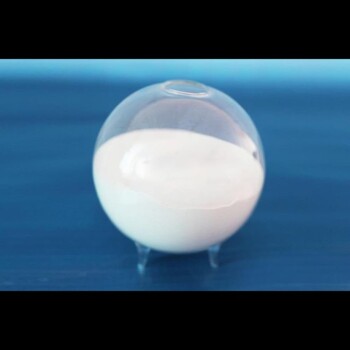
- High Purity Alumina Granulated Powder for Engineering Advanced Fine Ceramics
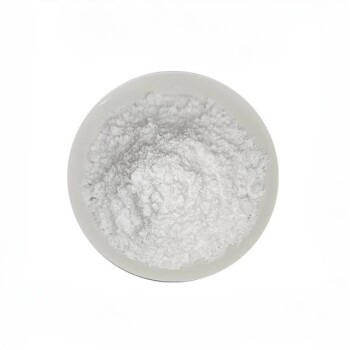
- Advanced Engineering Fine Ceramics Low Temperature Alumina Granulation Powder
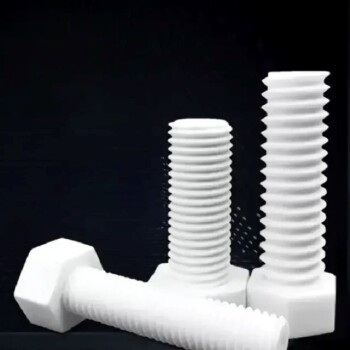
- High Quality Alumina Ceramic Screw for Engineering Advanced Fine Ceramics with High Temperature Resistance and Insulation
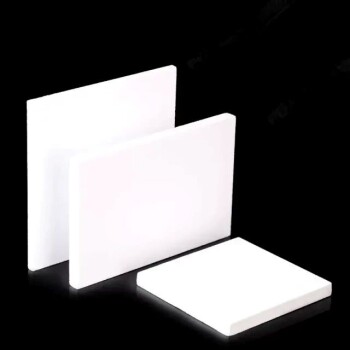
- High Temperature Wear-Resistant Alumina Al2O3 Plate for Engineering Advanced Fine Ceramics
- Advanced Engineering Fine Ceramics Alumina Ceramic Saggar for Fine Corundum
People Also Ask
- What is the function of high-purity alumina powder in pack cementation? Ensure Uniform Aerospace Blade Coatings
- How should alumina powder be selected for polishing a disc electrode, and what is the procedure for removing scratches? Achieve a Perfect Mirror Finish
- What are the properties and handling precautions for alumina powder as a polishing material? Achieve a Flawless Finish with Precision
- Why is it necessary to apply alumina powder to graphite molds for TiC10/Cu-Al2O3? Ensure Smooth Release.
- What measures should be taken to prevent cross-contamination when using different sizes of alumina powder?