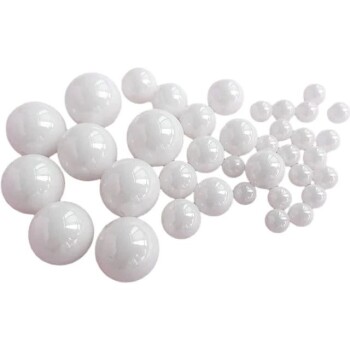
Zirconia grinding media is the preferred choice for LLZTO preparation primarily to maintain the strict chemical purity required for high-performance solid electrolytes. Because LLZTO (Lithium Lanthanum Zirconium Tantalum Oxide) is highly sensitive to impurities, the use of zirconia—which is chemically inert and exceptionally hard—allows for the effective pulverization of raw materials without introducing detrimental metal ions common with other milling media like stainless steel.
Core Insight: The preparation of LLZTO requires a delicate balance of high mechanical force and extreme chemical hygiene. Zirconia is the only standard material hard enough to refine refractory oxides while being inert enough to prevent the metallic contamination that destroys ionic conductivity.
The Critical Imperative of Purity
Eliminating Metallic Contamination
The most significant threat to the performance of a solid electrolyte is the introduction of foreign metal ions. Stainless steel media is unsuitable because the abrasive forces of milling inevitably scrape microscopic particles of iron and chromium into the powder. Zirconia eliminates this risk entirely, preventing the introduction of conductive metallic impurities that could cause internal short circuits or degradation.
Chemical Inertness
LLZTO precursors often include reactive components like Lithium Carbonate or Lithium Hydroxide. Zirconia is chemically inert, meaning it will not react with these raw materials during the high-energy milling process. This stability ensures that the chemical composition of the precursor powder remains consistent with the intended stoichiometric ratios.
The Mechanics of High-Energy Milling
Superior Hardness and Impact Force
The raw materials for LLZTO, such as Lanthanum Oxide and Tantalum Pentoxide, are hard, refractory oxides. To refine these materials, the milling media must deliver significant kinetic energy. Zirconia possesses high density and extreme hardness, providing the necessary impact force to fracture these tough particles effectively.
Achieving Uniform Particle Refinement
Consistent particle size is essential for the subsequent sintering phase of the electrolyte. Zirconia balls effectively break down particle agglomerates and mix the precursors uniformly. This thorough refinement leads to a reactive powder that sinters well, resulting in a dense final electrolyte structure.
Understanding the Trade-offs
The Risk of Media Wear
While Zirconia is highly wear-resistant, it is not wear-proof. Over extended milling cycles (e.g., 12 hours), a small amount of media wear is inevitable. However, because Zirconia (ZrO2) is already a constituent component of LLZTO, slight contamination is far less detrimental than iron contamination, though it can still slightly alter the stoichiometry if uncontrolled.
Brittleness vs. Ductility
Unlike steel, which is ductile, zirconia is a ceramic and is brittle. If the milling jars are dropped or subjected to thermal shock, the media or the jar lining can crack. Operators must handle zirconia jars with greater care than metallic alternatives to avoid costly equipment failure.
Impact on Final Performance
Preserving Ionic Conductivity
The primary goal of a solid electrolyte is to conduct lithium ions efficiently. Impurities act as roadblocks to this movement. By using zirconia to minimize contamination, the ionic conductivity of the final sintered ceramic is maximized.
Ensuring Electrochemical Stability
High-purity powders result in electrolytes with better electrochemical stability windows. Impurities introduced during milling can lower the voltage at which the electrolyte decomposes. Zirconia processing safeguards the material's ability to function correctly within high-voltage battery architectures.
Making the Right Choice for Your Goal
When setting up your milling process for LLZTO, consider these strategic priorities:
- If your primary focus is Maximum Ionic Conductivity: Prioritize high-density, high-purity zirconia balls to minimize wear volume and ensure zero metallic contamination.
- If your primary focus is Process Efficiency: Utilize a mix of zirconia ball sizes to maximize the contact points and impact energy, reducing the total milling time required to break down hard oxides.
Ultimately, zirconia is not just an option but a necessity for LLZTO synthesis, serving as the gatekeeper that allows high-energy processing without compromising the chemical integrity of the electrolyte.
Summary Table:
| Feature | Zirconia (ZrO2) | Stainless Steel | Impact on LLZTO |
|---|---|---|---|
| Contamination Risk | Zero metallic ions; compatible with LLZTO | High (Iron/Chromium) | Prevents internal battery short circuits |
| Chemical Stability | Highly Inert | Reactive with Li precursors | Maintains precise stoichiometry |
| Material Hardness | Extremely High | Moderate | Efficiently refines refractory oxides |
| Wear Product | ZrO2 (Native component) | Metallic particles | Minor wear doesn't degrade conductivity |
Elevate Your Solid-State Battery Research with KINTEK
Precision in LLZTO synthesis begins with the right materials. KINTEK specializes in high-performance laboratory equipment and consumables designed to meet the rigorous demands of advanced battery research. From our high-purity zirconia grinding balls and milling jars to our extensive range of crushing and milling systems, we provide the tools you need to prevent contamination and maximize ionic conductivity.
Our expertise extends across the entire lab workflow, including:
- High-temperature furnaces (muffle, tube, and vacuum) for precise sintering.
- Hydraulic presses (pellet, hot, and isostatic) for dense electrolyte fabrication.
- Essential consumables like alumina and zirconia crucibles.
Don't let impurities compromise your results. Contact KINTEK today to discover how our high-quality solutions can streamline your LLZTO precursor preparation and ensure superior electrochemical performance.
Related Products
- Laboratory Jar Ball Mill with Alumina Zirconia Grinding Jar and Balls
- Laboratory Ball Mill Jar Mill with Metal Alloy Grinding Jar and Balls
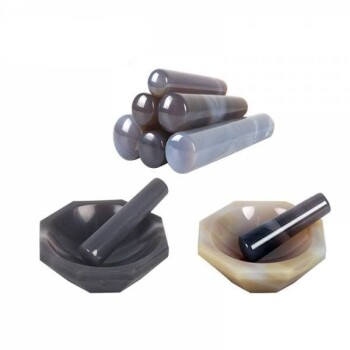
- Laboratory Jar Mill with Agate Grinding Jar and Balls
- Precision Machined Zirconia Ceramic Ball for Engineering Advanced Fine Ceramics
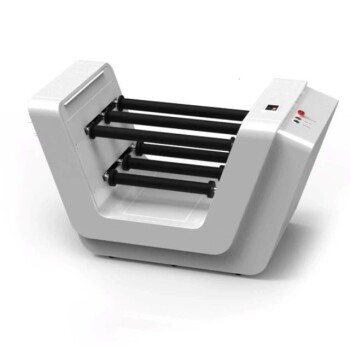
- Laboratory Four-Body Horizontal Jar Mill
People Also Ask
- What are the primary functions of using a ball mill for BZCY72 powder? Achieve High Purity and Enhanced Sintering
- In what way does a laboratory ball mill affect material properties when modifying PHBV/pulp fiber composites?
- Why is a laboratory ball mill required for ultra-fine fly ash? Unlock Nano-Scale Adsorption Power
- What is the function of a laboratory ball mill in the preparation of AMMCs? Optimize Dispersion & Grain Refinement
- What is the function of a laboratory ball mill in the pretreatment of waste tire char (WTC)? Optimize Material Reactivity