The primary reason for using zirconia grinding balls and jars with alumina-zirconia powders is to eliminate foreign material contamination while maximizing grinding efficiency. By matching the chemical composition of the grinding media to the powder, any inevitable wear from the balls or jar remains consistent with the raw material, preserving the chemical purity and structural integrity of the final ceramic composite.
Core Takeaway: Utilizing zirconia-based consumables ensures that "wear debris" is chemically identical to the powder being processed, while leveraging zirconia's high density and hardness to provide the kinetic energy necessary for deep microstructural refinement.
Preventing Material and Chemical Contamination
Material Matching and Homogeneity
During high-intensity mechanical milling, physical wear of the grinding media is inevitable. By using zirconia components for alumina-zirconia powders, any trace wear debris introduced is consistent with the existing raw material composition.
This prevents the introduction of heterogeneous impurities that could disrupt the stoichiometry of the ceramic. Maintaining this homogeneity is critical for the performance of synthesized ceramic composites and solid electrolytes.
Elimination of Metallic Impurities
Standard stainless steel or metal-based grinding media can introduce iron (Fe) or chromium (Cr) into the powder during long durations of high-speed impact. Zirconia is chemically inert and extremely wear-resistant, ensuring that no metallic side reactions occur during the process.
This chemical stability is vital for preventing performance degradation during electrochemical cycling or high-temperature applications. It ensures that the final precursor remains free of non-oxide contaminants.
Maximizing Grinding Efficiency and Refinement
High Density and Kinetic Energy
Zirconia possesses a high density, which is a critical factor in providing sufficient impact kinetic energy. During ball milling, this energy is required to effectively refine the powder microstructure and break down particle agglomerates.
Even at high speeds, such as 400 rpm, the mass of zirconia media ensures stable shear forces. This allows for the efficient processing of brittle materials like alumina and carbon nanotubes.
Superior Hardness and Wear Resistance
Zirconia’s exceptional hardness allows it to endure high-energy ball milling for extended periods—sometimes up to 50 hours—without significant breakage. This durability ensures that the grinding environment remains stable throughout the entire cycle.
Because the media does not deform or wear down rapidly, the contact density between the materials remains constant. This leads to a more uniform particle size distribution and a higher quality final product.
Understanding the Trade-offs
Thermal Management and Heat Generation
Because zirconia is highly efficient at transferring kinetic energy, long milling cycles can generate significant internal heat. If the material being processed is temperature-sensitive, this can lead to unwanted phase changes or premature reactions.
Initial Investment and Cost
Zirconia grinding media and jars represent a higher upfront cost compared to alumina or hardened steel alternatives. However, this is typically offset by the media's long service life and the reduction in "scrap" material caused by contamination.
Material Compatibility Limits
While zirconia is ideal for zirconia-toughened alumina (ZTA), it may not be suitable for every ceramic type. If your final application is extremely sensitive to even slight increases in zirconia content, the minor wear from the media must be accounted for in the initial powder formulation.
How to Apply This to Your Project
Recommendations Based on Your Objectives
- If your primary focus is Maximum Chemical Purity: Always use zirconia jars and balls to ensure that any media wear is chemically indistinguishable from your alumina-zirconia powder.
- If your primary focus is Microstructural Refinement: Leverage the high density of zirconia media to provide the intense physical friction needed to break down stubborn particle agglomerates.
- If your primary focus is Long-Term Processing (24+ hours): Rely on the extreme hardness of zirconia to prevent the introduction of metallic contaminants like iron or chromium over extended milling times.
- If your primary focus is Cost Efficiency: Reserve zirconia media for high-value composites (like ZTA) where the cost of contamination-related failure exceeds the price of the premium grinding media.
By aligning your equipment material with your powder composition, you ensure a predictable, high-performance outcome for your ceramic synthesis.
Summary Table:
| Key Feature | Benefit to Alumina-Zirconia | Practical Outcome |
|---|---|---|
| Material Matching | Zero foreign debris contamination | Chemical homogeneity & purity |
| High Density | Increased impact kinetic energy | Efficient microstructural refinement |
| Extreme Hardness | High wear resistance (up to 50h+) | Consistent particle size distribution |
| Chemical Inertness | Elimination of metallic impurities (Fe/Cr) | Stable electrochemical performance |
Achieve Superior Purity with KINTEK Milling Solutions
Don't let impurities compromise your advanced ceramic research. KINTEK specializes in high-performance laboratory equipment, offering precision crushing and milling systems and premium zirconia consumables designed for high-intensity mechanical milling.
Whether you are refining alumina-zirconia composites or synthesizing solid electrolytes, our comprehensive portfolio—from planetary ball mills to high-temperature furnaces (muffle, vacuum, CVD) and hydraulic presses—ensures consistent, repeatable results. Leverage our expertise in wear-resistant materials and thermal management to optimize your laboratory efficiency.
Ready to elevate your material processing? Contact KINTEK today for a customized quote!
References
- K. D. Bopanna, Ginni Nijhawan. RETRACTED: Enhanced Sintering Performance of Ceramic Composites Fabricated by Powder Metallurgy. DOI: 10.1051/e3sconf/202343001126
This article is also based on technical information from Kintek Solution Knowledge Base .
Related Products
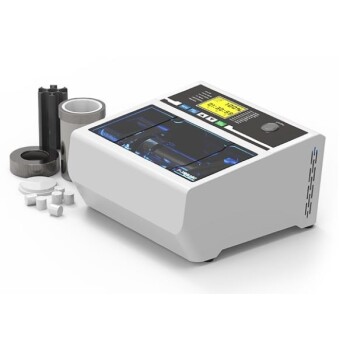
- Laboratory Jar Ball Mill with Alumina Zirconia Grinding Jar and Balls
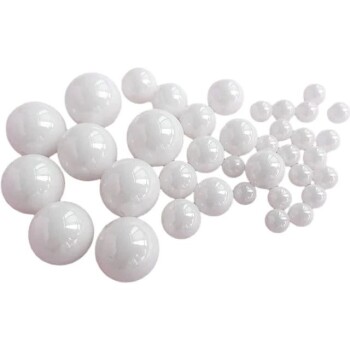
- Precision Machined Zirconia Ceramic Ball for Engineering Advanced Fine Ceramics
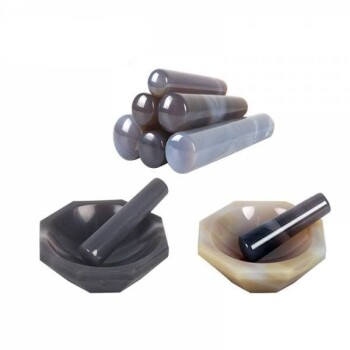
- Laboratory Jar Mill with Agate Grinding Jar and Balls
- Laboratory Ball Mill Jar Mill with Metal Alloy Grinding Jar and Balls
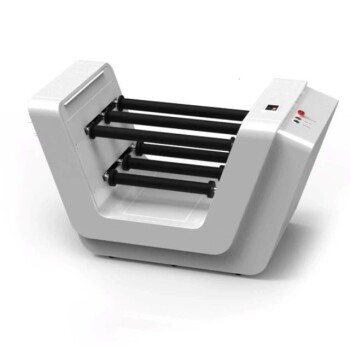
- Laboratory Four-Body Horizontal Jar Mill
People Also Ask
- What are the primary functions of using a ball mill for BZCY72 powder? Achieve High Purity and Enhanced Sintering
- In what way does a laboratory ball mill affect material properties when modifying PHBV/pulp fiber composites?
- Why is a laboratory ball mill required for ultra-fine fly ash? Unlock Nano-Scale Adsorption Power
- What is the function of a laboratory ball mill in the preparation of AMMCs? Optimize Dispersion & Grain Refinement
- What is the function of a laboratory ball mill in the pretreatment of waste tire char (WTC)? Optimize Material Reactivity