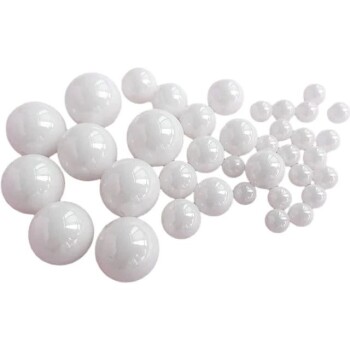
Zirconia grinding jars and balls are required primarily for their exceptional chemical inertness, high density, and superior hardness. Using them prevents the introduction of metallic impurities during high-energy milling, ensuring the solid-state electrolyte powder maintains the high purity necessary to prevent short circuits and side reactions.
By utilizing zirconia, you eliminate the risk of metallic contamination that degrades ionic conductivity, while leveraging the material's high density to generate the kinetic energy needed for effective synthesis.
The Critical Role of Chemical Purity
Eliminating Metallic Contamination
Solid-state electrolytes, particularly sulfide-based and garnet-type oxides (like LLZTO), are extremely sensitive to impurities. Using stainless steel grinding media introduces metallic contaminants, such as iron or chromium, into the powder. Zirconia media are chemically inert, effectively preventing these metallic inclusions that could otherwise lead to internal short circuits or degraded electrochemical stability.
Preventing Side Reactions
Many electrolyte precursors are highly reactive to moisture and air. The chemical stability of zirconia ensures there is no reaction between the grinding media and the raw materials during processing. This inertness is vital for preserving the chemical composition required for high ionic conductivity.
Mechanical Advantages in High-Energy Milling
High Density for Kinetic Energy
Effective synthesis often requires material amorphization or alloying through high-energy ball milling. Zirconia balls possess a high density, which provides sufficient impact kinetic energy to fracture and blend materials efficiently. This ensures the precursors are fully processed into the desired crystal structure or amorphous phase.
Durability Against Hard Materials
Electrolyte precursors, such as garnet-type oxides, can be extremely hard. Zirconia's exceptional hardness allows it to efficiently pulverize these tough materials without degrading itself. This superior wear resistance ensures that the grinding media survives long-duration milling (e.g., five hours) without shedding contaminants into the batch.
Common Pitfalls to Avoid
The Risk of "Standard" Grinding Media
It is a common error to assume standard stainless steel jars are sufficient for all powder processing. In solid-state electrolyte preparation, even trace amounts of conductive metal shavings from steel jars can ruin the dielectric properties of the final product. If you observe unexplained low ionic conductivity or shorting in your cells, the grinding media is often the root cause.
Making the Right Choice for Your Goal
To ensure the success of your solid-state electrolyte synthesis, apply these principles based on your specific material focus:
- If your primary focus is Sulfide Electrolytes: Prioritize zirconia for its chemical inertness to prevent fatal side reactions and maintain electrochemical stability.
- If your primary focus is Hard Oxide Electrolytes (e.g., LLZTO): Rely on zirconia’s high density and hardness to generate the impact force needed to crush tough precursors without introducing wear debris.
Select zirconia media not just as a tool, but as a critical control measure to guarantee the purity and performance of your final electrolyte.
Summary Table:
| Feature | Zirconia Grinding Media | Impact on Solid-State Electrolytes |
|---|---|---|
| Chemical Inertness | Non-reactive and metallic-free | Prevents internal short circuits and side reactions |
| High Density | High impact kinetic energy | Facilitates efficient material amorphization and alloying |
| Superior Hardness | Exceptional wear resistance | Effectively crushes hard oxide precursors (e.g., LLZTO) |
| Material Purity | Low contamination risk | Maintains high ionic conductivity and electrochemical stability |
Optimize Your Solid-State Battery Research with KINTEK
Don't let metallic contamination compromise your solid-state electrolyte performance. KINTEK specializes in premium laboratory solutions, offering high-performance zirconia grinding jars and balls alongside our precision crushing and milling systems.
Whether you are synthesizing sulfide-based powders or hard garnet-type oxides, our comprehensive range of equipment—including hydraulic presses, high-temperature furnaces, and battery research tools—is designed to meet the rigorous demands of advanced material science.
Ready to elevate your powder processing quality? Contact our technical experts today to find the perfect milling solution and consumables for your lab's success.
Related Products
- Laboratory Jar Ball Mill with Alumina Zirconia Grinding Jar and Balls
- Precision Machined Zirconia Ceramic Ball for Engineering Advanced Fine Ceramics
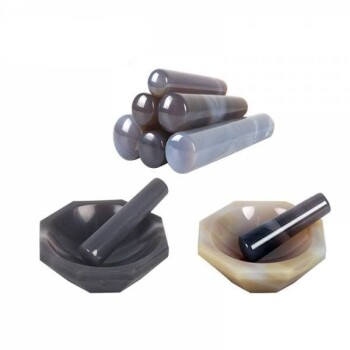
- Laboratory Jar Mill with Agate Grinding Jar and Balls
- Laboratory Ball Mill Jar Mill with Metal Alloy Grinding Jar and Balls
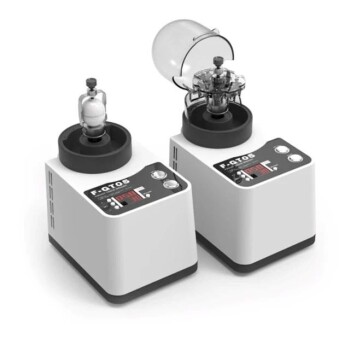
- High Energy Planetary Ball Mill Milling Machine for Laboratory
People Also Ask
- What are the primary functions of using a ball mill for BZCY72 powder? Achieve High Purity and Enhanced Sintering
- In what way does a laboratory ball mill affect material properties when modifying PHBV/pulp fiber composites?
- Why is a laboratory ball mill required for ultra-fine fly ash? Unlock Nano-Scale Adsorption Power
- What is the function of a laboratory ball mill in the preparation of AMMCs? Optimize Dispersion & Grain Refinement
- What is the function of a laboratory ball mill in the pretreatment of waste tire char (WTC)? Optimize Material Reactivity