A controlled final annealing process is the decisive step that transforms a raw chemical coating into a durable, high-performance electrode. By maintaining specific parameters, such as 550°C for one hour, you ensure the complete crystallization of the oxide layer and the elimination of residual stresses that would otherwise lead to mechanical failure.
Core Takeaway Final annealing acts as a stabilizing agent, solidifying the metallurgical bond between the titanium substrate and the oxide coating while optimizing the microstructure to withstand corrosive environments like pharmaceutical wastewater.
Strengthening the Physical Structure
Eliminating Internal Stress
During the initial coating application, the material accumulates significant residual internal stresses. Without relief, these stresses create weak points that make the electrode prone to cracking or delamination. A controlled heat treatment relaxes the material, neutralizing these internal forces.
Forging the Metallurgical Bond
The longevity of a Ti/RuO2-IrO2-SnO2 electrode depends entirely on adhesion. Annealing strengthens the metallurgical bond between the mixed metal oxide coating and the titanium substrate. This prevents the coating from peeling off when subjected to electrical current or mechanical friction.
Optimizing Microstructure for Performance
Ensuring Complete Crystallization
The raw coating requires thermal energy to transition into a stable state. The annealing process drives complete crystallization of the oxides. A fully crystallized structure provides the necessary conductivity and catalytic activity required for electrochemical processes.
Optimizing Grain Size
Heat treatment does not just form crystals; it regulates their size. A controlled process optimizes grain size, which directly influences the electrode's active surface area. Proper grain structure balances high catalytic efficiency with structural robustness.
Enhancing Environmental Resistance
Surviving Harsh Conditions
Electrodes often operate in aggressive media, such as high-concentration pharmaceutical wastewater. The microstructural changes induced by annealing significantly enhance corrosion resistance. This prevents the rapid degradation of the electrode surface in acidic or toxic environments.
Understanding the Risks of Process Deviation
The Danger of Atmospheric Exposure
While temperature is critical, the atmosphere within the furnace is equally important for reproducibility. As noted in general metallurgical principles, a lack of atmosphere control can lead to unwanted oxidation or scaling on the metal surface. This compromises the purity of the electrode surface and ensures inconsistent results between batches.
The Trade-off of Temperature Precision
Annealing is a precise window, not a general application of heat.
- Under-annealing results in amorphous, unstable coatings that dissolve easily.
- Over-annealing (or uncontrolled atmospheres) can induce thermal shock or scale formation, degrading the substrate interface.
Making the Right Choice for Your Goal
To maximize the lifespan and efficiency of your electrodes, tailor your focus based on your operational priorities:
- If your primary focus is Mechanical Longevity: Prioritize the time and temperature duration (e.g., 550°C for 1 hour) to ensure stress relief and maximum bond strength.
- If your primary focus is Production Consistency: strictly monitor the furnace atmosphere to prevent surface scaling and ensure every batch performs identically.
A strictly controlled annealing process is the difference between a disposable component and a reliable, industrial-grade electrode.
Summary Table:
| Parameter/Factor | Impact on Electrode Performance | Benefit for Industrial Use |
|---|---|---|
| Annealing Temp (550°C) | Drives complete oxide crystallization | Maximizes catalytic activity and conductivity |
| Dwell Time (1 Hour) | Relieves internal residual stresses | Prevents coating cracking and delamination |
| Metallurgical Bond | Strengthens adhesion to Titanium substrate | Extends electrode lifespan under high current |
| Grain Size Control | Optimizes active surface area | Balances efficiency with structural robustness |
| Atmosphere Control | Prevents unwanted oxidation and scaling | Ensures batch-to-batch consistency and purity |
Elevate Your Electrode Performance with KINTEK Precision
Maximize the lifespan and catalytic efficiency of your Ti/RuO2-IrO2-SnO2 electrodes with KINTEK’s industry-leading thermal solutions. Achieving the perfect metallurgical bond requires more than just heat; it requires the precise temperature uniformity and atmosphere control found in our specialized high-temperature furnaces (muffle, tube, and atmosphere).
Whether you are treating pharmaceutical wastewater or conducting advanced battery research, KINTEK provides the essential tools—from high-pressure reactors to electrolytic cells and electrodes—designed to withstand the most aggressive environments. Our high-performance furnaces ensure every annealing cycle delivers the structural integrity and corrosion resistance your laboratory demands.
Ready to optimize your material processing? Contact KINTEK today to discover how our high-temperature systems and laboratory consumables can transform your research and production outcomes.
References
- Guozhen Zhang, Tianhong Zhou. Ti/RuO2-IrO2-SnO2 Anode for Electrochemical Degradation of Pollutants in Pharmaceutical Wastewater: Optimization and Degradation Performances. DOI: 10.3390/su13010126
This article is also based on technical information from Kintek Solution Knowledge Base .
Related Products
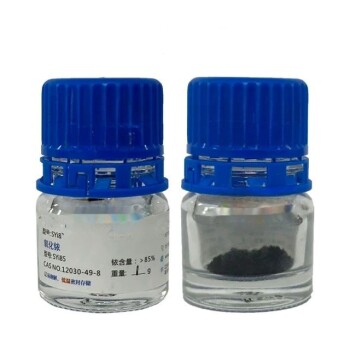
- Iridium Dioxide IrO2 for Water Electrolysis
- Reference Electrode Calomel Silver Chloride Mercury Sulfate for Laboratory Use
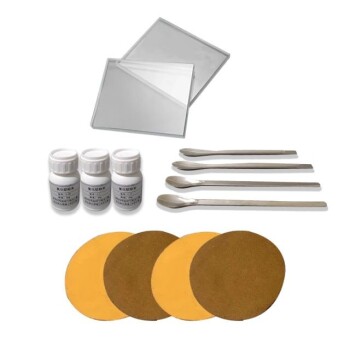
- Electrode Polishing Material for Electrochemical Experiments
- Gold Disc Electrode
- Graphite Disc Rod and Sheet Electrode Electrochemical Graphite Electrode
People Also Ask
- What advantages does supercritical fluid technology provide for Iridium catalysts? Achieve Precision Nano-Synthesis
- What are the different types of catalysts used in pyrolysis? A Guide to Optimizing Biomass Conversion
- How does catalyst work in pyrolysis? A Guide to Efficient and Selective Fuel Production
- Which catalyst is used in pyrolysis process? Choosing the Right Catalyst for Your Feedstock
- What is the best catalyst for pyrolysis? A Strategic Guide to Maximizing Bio-Oil Quality and Yield