A high-performance vacuum pump system is the fundamental driver of efficiency in gasification purification. It is critical because it rapidly evacuates the furnace to maintain an extremely low system pressure, typically between 1 and 10 Pa. This specific pressure range alters the thermodynamic properties of the metals, enabling gasification at significantly lower temperatures.
The depth of the vacuum directly dictates the energy efficiency of the process and the ultimate limit of impurity separation. By lowering the pressure, you maximize the evaporation rate while minimizing the thermal energy required.
The Physics of Purification
Reducing Gasification Temperature
The primary function of the vacuum system is to alter the physical conditions within the furnace. By maintaining a pressure between 1 and 10 Pa, the system substantially lowers the boiling point of the metals being processed.
This reduction allows the metal to gasify at a much lower temperature than would be required at atmospheric pressure.
Increasing Evaporation Rates
A robust vacuum system does more than just lower the boiling point; it actively drives the rate of phase change. A high-performance pump increases the evaporation rate of the target material.
This rate is a critical variable. It directly influences how effectively impurities can be separated from the bulk material, defining the ultimate purity limit of the final product.
Energy Efficiency Gains
Because the metal gasifies at a lower temperature, the system consumes less thermal energy to achieve the same result. The vacuum pump essentially swaps mechanical energy (pumping) for thermal energy (heating), resulting in a more efficient overall process.
Critical Performance Metrics and Trade-offs
The Vacuum-Flow Relationship
While achieving low pressure is the goal, how you get there matters. The most important performance factor is the relationship between the pump's maximum vacuum and its maximum flow rate.
A pump must be selected based on how these two factors interact. A system with high vacuum potential but inadequate flow rate may struggle to maintain pressure as gas is generated.
Risks of Improper Sizing
More power is not always better if it is not properly balanced against the laboratory's specific needs.
If the flow rate is too aggressive or the vacuum is applied too rapidly, you risk sample loss. This can occur through physical impacts or over-evaporation, where the material is pulled out of the system before purification is complete.
Making the Right Choice for Your Goal
To ensure your vacuum gasification process yields high-purity results without material loss, you must match the pump's capabilities to your specific operational parameters.
- If your primary focus is Energy Efficiency and Purity: Prioritize a system capable of consistently maintaining the critical 1–10 Pa pressure range to minimize thermal requirements and maximize impurity separation.
- If your primary focus is Yield and Sample Integrity: Focus on balancing the maximum vacuum with the flow rate to prevent sample loss caused by over-evaporation or rapid pressure changes.
The correct vacuum system does not merely remove air; it creates the precise thermodynamic environment necessary for superior material purification.
Summary Table:
| Feature | Impact on Gasification | Benefit |
|---|---|---|
| Pressure (1-10 Pa) | Lowers metal boiling points | Enables lower process temperatures |
| High Evaporation Rate | Accelerates phase change | Faster impurity separation & higher purity |
| Energy Optimization | Replaces thermal energy with mechanical pumping | Significant reduction in energy consumption |
| Balanced Flow Rate | Prevents rapid pressure fluctuations | Protects against sample loss and over-evaporation |
Elevate Your Purification Precision with KINTEK
Maximize your laboratory's efficiency and achieve unprecedented purity levels with KINTEK’s high-performance vacuum solutions. Whether you are optimizing vacuum gasification, performing CVD/PECVD, or managing complex distillation and purification workflows, our expertise in high-temperature furnaces and precision vacuum systems ensures you never have to compromise between yield and integrity.
From rotary and vacuum furnaces to specialized high-pressure reactors and cooling solutions, KINTEK provides the advanced tools needed for cutting-edge material research. Don't let inadequate vacuum performance limit your results.
Contact KINTEK Today for a Customized Equipment Quote
Related Products
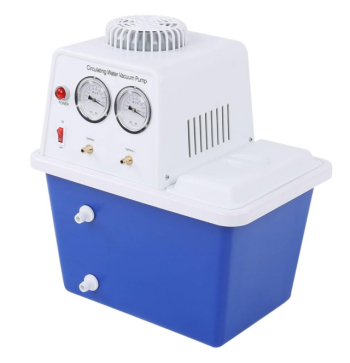
- Circulating Water Vacuum Pump for Laboratory and Industrial Use
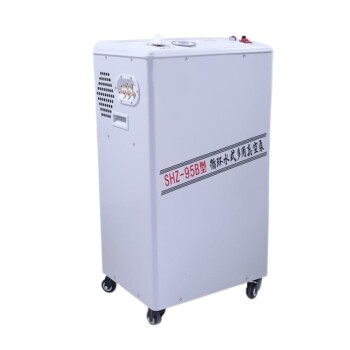
- Laboratory Vertical Water Circulating Vacuum Pump for Lab Use
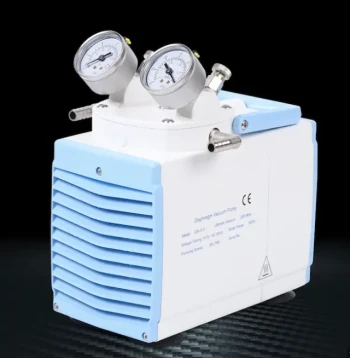
- Oil Free Diaphragm Vacuum Pump for Laboratory and Industrial Use
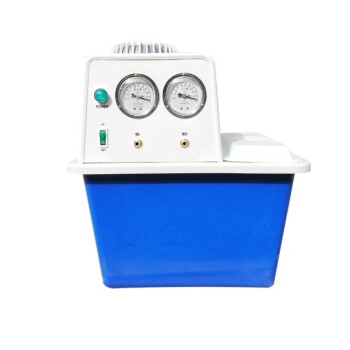
- Laboratory Benchtop Water Circulating Vacuum Pump for Lab Use
- Laboratory Rotary Vane Vacuum Pump for Lab Use
People Also Ask
- How is a circulating water vacuum pump utilized for hydrogen production residues? Optimize Your Solid-Liquid Separation
- How does the impeller rotation affect the gas flow in a water circulating vacuum pump? A Guide to the Liquid Ring Principle
- What determines the vacuum degree achievable by a water circulating vacuum pump? Unlock the Physics of Its Limits
- What are the advantages of a water circulating vacuum pump? Superior Durability for Demanding Lab Environments
- How does a water circulating vacuum pump operate? Discover the Efficient Liquid Piston Principle