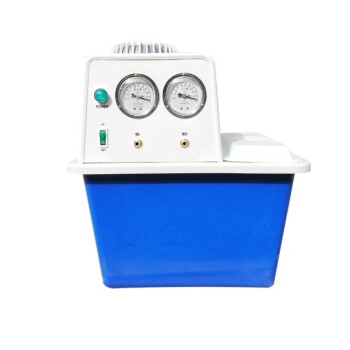
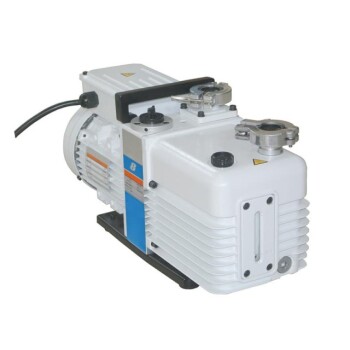
A high-vacuum diffusion pump system is essential for these experiments because it creates an extremely low-pressure environment, capable of reaching vacuum levels as high as 10⁻³ Pa. This specific threshold is required to effectively prevent the oxidation of both MAX phase powders and active aluminum melts during high-temperature processing. Without this rigorous vacuum, atmospheric oxygen would compromise the materials before the experiment properly begins.
Core Takeaway High-temperature interactions involving reactive metals are highly sensitive to atmospheric contamination. A high-vacuum environment is not merely a precaution but a prerequisite to ensure that observed phenomena—such as wetting angles and phase transformations—result from intrinsic material properties rather than surface oxide interference.
The Critical Role of Oxidation Prevention
Protecting Reactive Materials
The primary function of the diffusion pump in this context is the elimination of oxygen. Both MAX phase powders and active aluminum melts are highly reactive, particularly as temperatures rise.
Under standard atmospheric conditions or insufficient vacuum, these materials would rapidly react with oxygen. By achieving a vacuum of 10⁻³ Pa, the system creates an inert environment that preserves the chemical purity of the samples.
Ensuring Authentic Surface Properties
When oxidation occurs, it fundamentally alters the surface chemistry of the materials. An oxide layer acts as a barrier, changing how the materials interact physically and chemically.
The high-vacuum system ensures that the surfaces remain "clean." This allows the experimenter to observe the authentic surface properties of the materials, rather than the properties of a contaminant layer.
Impact on Experimental Data Integrity
Accuracy of Wetting Angles
Wetting angles are a primary metric for understanding how a liquid interacts with a solid surface. If an oxide layer forms on the MAX phase or the aluminum melt, the droplet will not spread naturally.
The high-vacuum environment ensures that the measured wetting angles reflect the true interaction between the liquid metal and the substrate, ensuring data validity.
Reliable Kinetics and Phase Transformations
Beyond surface spreading, the vacuum influences the internal chemical reactions. The presence of oxygen can alter reaction rates or induce unwanted side reactions.
By maintaining a pressure of 10⁻³ Pa, the system guarantees that the absorption kinetics and phase transformation reactions observed are genuine. This isolates the interaction to strictly the MAX phases and the copper-aluminum melts.
Common Pitfalls: The Risks of Insufficient Vacuum
While a diffusion pump adds complexity to the setup, attempting to bypass it creates significant risks. The most common pitfall is assuming that a standard roughing pump (low vacuum) is sufficient for high-temperature metal interactions.
Partial vacuums fail to stop oxidation at high temperatures. If the pressure is not lowered to the 10⁻³ Pa range, the data collected regarding wetting and kinetics will likely be skewed by oxidation artifacts, leading to incorrect scientific conclusions.
Making the Right Choice for Your Experiment
To ensure your experimental setup yields valid results, align your vacuum capabilities with your specific research goals.
- If your primary focus is Surface Science: Ensure your system can reliably maintain 10⁻³ Pa to guarantee that wetting angle measurements represent the true solid-liquid interface.
- If your primary focus is Reaction Kinetics: Use high-vacuum diffusion pumps to prevent oxygen from acting as an unaccounted variable in phase transformation rates.
Ultimately, the validity of high-temperature MAX phase interactions relies entirely on the purity of the vacuum environment.
Summary Table:
| Feature | High-Vacuum Level (10⁻³ Pa) | Impact on Experiment |
|---|---|---|
| Oxidation Control | Prevents oxide formation on reactive metals | Maintains chemical purity of MAX phases and Al melts |
| Surface Integrity | Ensures "clean" solid-liquid interfaces | Enables accurate measurement of authentic wetting angles |
| Data Validity | Eliminates atmospheric contaminants | Guarantees reliable reaction kinetics and phase transformations |
| System Reliability | Uses high-performance diffusion pumps | Prevents skewed results caused by oxidation artifacts |
Elevate Your Materials Science Research with KINTEK Precision
Don't let oxidation compromise your experimental integrity. KINTEK specializes in advanced laboratory solutions designed for high-stakes research. Whether you are conducting complex high-temperature interactions or require precise high-temperature high-pressure reactors and autoclaves, our equipment ensures the purity and accuracy your data demands.
From high-temperature furnaces (muffle, vacuum, and CVD) to specialized crushing and milling systems, we provide the tools to master material behavior. Our portfolio also includes essential electrolytic cells, battery research consumables, and PTFE/ceramic components tailored for the most demanding lab environments.
Ready to secure your results? Contact our technical experts today to find the perfect vacuum system or furnace solution for your next breakthrough.
References
- S.N. Zhevnenko, В. А. Горшков. Interaction of Cu-Al melts with Cr₂AlC and (Cr₀.₉₅Mn₀.₀₅)₂AlC MAX-phases. DOI: 10.46690/capi.2025.05.02
This article is also based on technical information from Kintek Solution Knowledge Base .
Related Products
- 304 316 Stainless Steel Vacuum Ball Valve Stop Valve for High Vacuum Systems
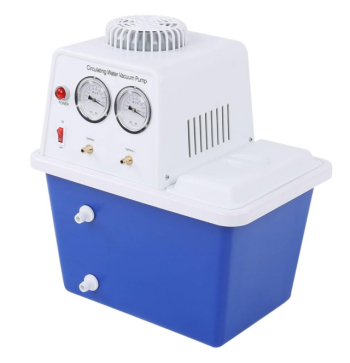
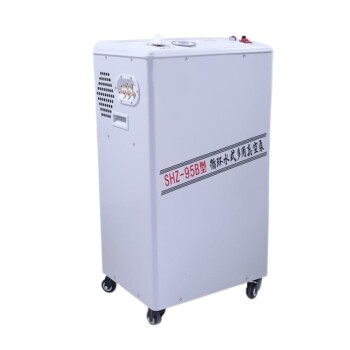
- Circulating Water Vacuum Pump for Laboratory and Industrial Use
- Multi Heating Zones CVD Tube Furnace Machine Chemical Vapor Deposition Chamber System Equipment
- Customer Made Versatile CVD Tube Furnace Chemical Vapor Deposition Chamber System Equipment
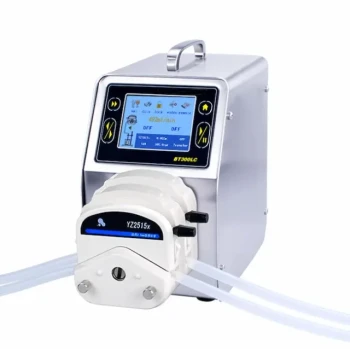
- Variable Speed Peristaltic Pump
People Also Ask
- What is high vacuum used for? Essential for Particle Beams and Advanced Lab Instruments
- Why is a high vacuum system necessary when measuring the hydrogen solubility of aluminum? Ensure Data Purity
- Why is a high vacuum system essential during the monitoring of volatiles in the graphite expansion process? Ensure Precision
- Why are Viton O-rings utilized for sealing in carbochlorination experimental setups? Ensure Safety and Seal Integrity
- Why must a laboratory vacuum pump be used to evacuate a PM-HIP capsule before it is sealed? Ensure Material Integrity