Knowledge Why is autoclave maintenance important? Ensure Sterilization Efficacy and Safety
Author avatar

Tech Team · Kintek Solution

Updated 6 days ago

Why is autoclave maintenance important? Ensure Sterilization Efficacy and Safety


In short, autoclave maintenance is essential because it guarantees the sterilization process is effective, reliable, and safe. Without it, you cannot be certain that instruments are sterile, putting patient safety or experimental integrity at severe risk and creating conditions for catastrophic equipment failure.

The core purpose of autoclave maintenance isn't just to prevent breakdowns; it's to validate that every single sterilization cycle performs its critical function correctly. It transforms the autoclave from an unpredictable liability into a scientifically reliable instrument.
Why is autoclave maintenance important? Ensure Sterilization Efficacy and Safety

The Core Functions Maintenance Protects

Proper maintenance underpins the very reason an autoclave exists. Neglecting it fundamentally compromises its function in several critical areas.

Ensuring Sterilization Efficacy

The primary goal of an autoclave is to achieve sterility. Routine maintenance ensures that temperature, pressure, and steam penetration meet the precise parameters required to kill all microorganisms.

A poorly maintained machine may complete a cycle, but it might not reach the necessary conditions, resulting in a false sense of security and potentially contaminated materials.

Preventing Catastrophic Failures

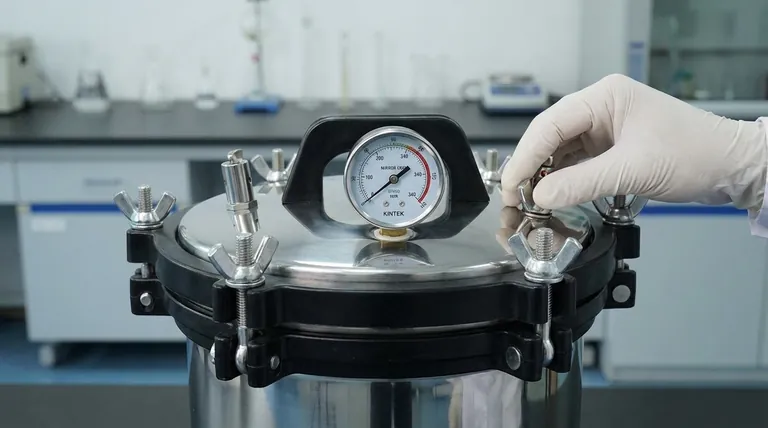
Autoclaves are pressurized vessels operating at high temperatures. They are inherently dangerous if not properly maintained.

Regular inspections of safety valves, door gaskets, and pressure systems are critical safety procedures. A failure in these components can lead to explosive decompression, posing a significant threat to personnel and property.

Maximizing Equipment Lifespan

Consistent maintenance prevents minor issues from escalating into major, costly repairs. Problems often start with small, inexpensive components.

For example, a malfunctioning steam trap can lead to poor steam quality, which in turn can damage the entire chamber and the items being sterilized. Addressing the trap early saves the system.

The Hidden Costs of Neglect

Viewing maintenance as an optional expense is a critical error. The costs of deferring essential upkeep are far greater than the costs of a scheduled maintenance plan.

The Myth of "If It Isn't Broken"

A reactive approach to autoclave maintenance is dangerous. By the time a problem becomes obvious—such as a failed cycle or a visible leak—the underlying damage may already be extensive and the integrity of previous cycles is thrown into question.

Damage from Poor Water or Steam Quality

The references correctly identify that particulates in steam or poor water quality are a primary source of damage. These impurities can clog valves, corrode the chamber, and damage heating coils.

This not only shortens the life of the machine but can also leave deposits on sterilized instruments, compromising their use.

The Domino Effect of a Single Failed Part

An autoclave is an interconnected system. The failure of one part, like a sensor or contactor, places stress on others, leading to a cascade of failures.

What begins as a simple electrical fault can quickly lead to overheating, pressure irregularities, and complete system shutdown, causing costly downtime.

Implementing a Robust Maintenance Strategy

A proactive maintenance schedule is the only way to ensure safety, efficacy, and reliability. Your specific focus will determine your priorities.

  • If your primary focus is patient safety: Prioritize the regular testing and certification of safety valves, door-locking mechanisms, and cycle validation with biological indicators.
  • If your primary focus is research integrity: Concentrate on the calibration of temperature and pressure sensors to guarantee cycle parameters are precise and repeatable.
  • If your primary focus is operational uptime: Emphasize preventative inspections of wear-and-tear components like gaskets, valves, and steam traps to avoid unexpected downtime.

Ultimately, consistent autoclave maintenance is the foundation of a safe and effective sterilization program.

Summary Table:

Key Aspect of Maintenance Why It Matters
Sterilization Efficacy Ensures temperature, pressure, and steam meet parameters to kill microorganisms.
Safety Assurance Prevents catastrophic failures like explosive decompression through valve and gasket checks.
Equipment Lifespan Maximizes longevity by addressing minor issues (e.g., steam traps) before they escalate.
Cost Management Avoids hidden costs of neglect, such as downtime, repairs, and compromised cycles.

Ensure your autoclave operates safely and effectively with KINTEK's expert support. Whether you're focused on patient safety, research integrity, or operational uptime, our lab equipment solutions—including maintenance services, consumables, and calibration—deliver reliability and peace of mind. Don't risk sterilization failures; contact us today to schedule a consultation or learn how we can optimize your autoclave performance!

Visual Guide
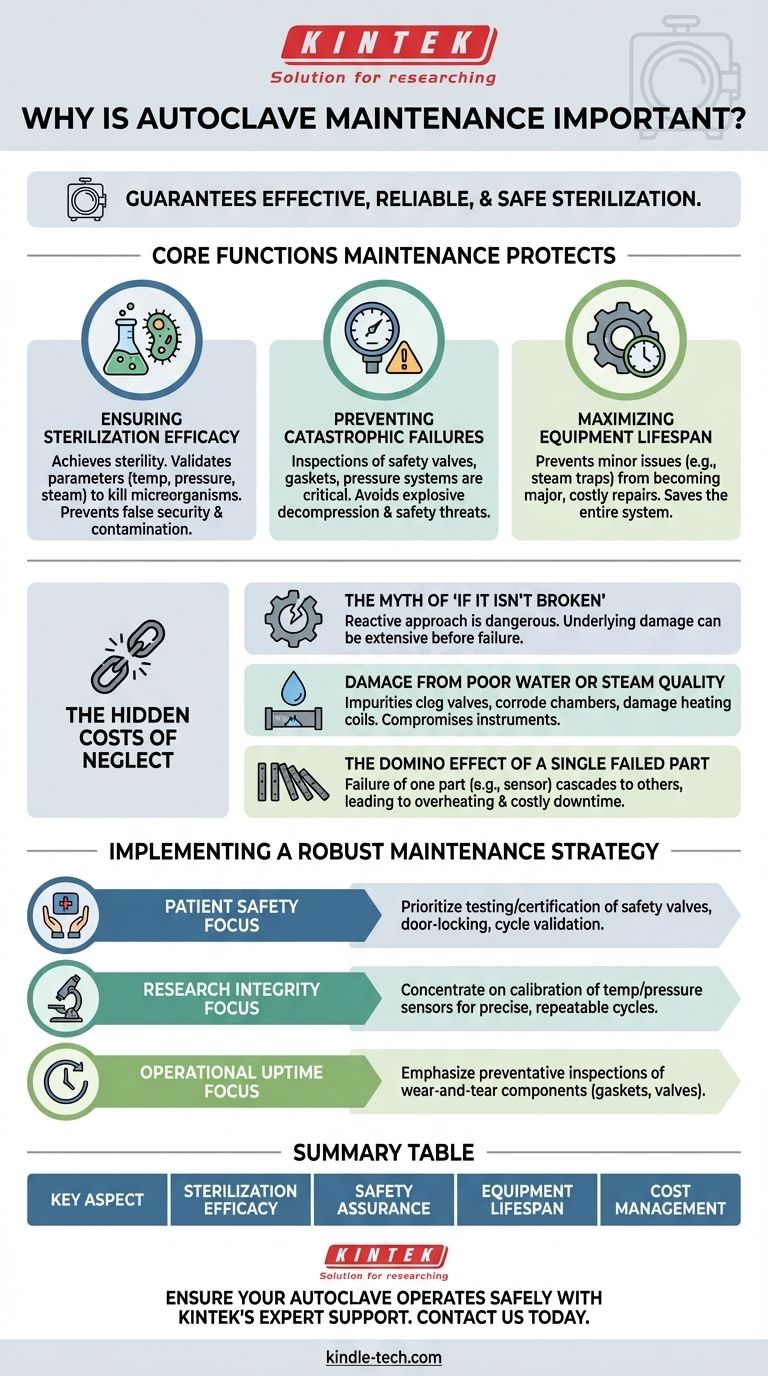
Why is autoclave maintenance important? Ensure Sterilization Efficacy and Safety Visual Guide

Related Products

People Also Ask

Related Products

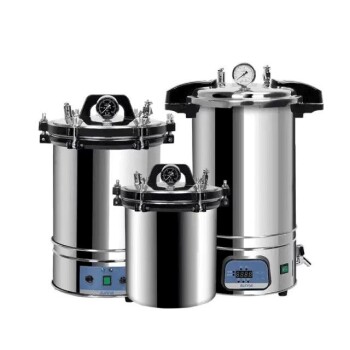
Portable High Pressure Laboratory Autoclave Steam Sterilizer for Lab Use

Portable High Pressure Laboratory Autoclave Steam Sterilizer for Lab Use

Portable autoclave sterilization pressure is a device that uses pressure saturated steam to quickly and effectively sterilize items.

Laboratory Sterilizer Lab Autoclave Herbal Powder Sterilization Machine for Plant

Laboratory Sterilizer Lab Autoclave Herbal Powder Sterilization Machine for Plant

The herbal powder sterilization autoclave machine for Chinese medicine uses saturated steam for effective sterilization. It utilizes the heat and penetrative properties of steam, achieves sterilization after heat preservation, and maintains a good drying effect with a dedicated drying system.

Laboratory Sterilizer Lab Autoclave Pulsating Vacuum Desktop Steam Sterilizer

Laboratory Sterilizer Lab Autoclave Pulsating Vacuum Desktop Steam Sterilizer

The pulsating vacuum desktop steam sterilizer is a compact and reliable device used for rapid sterilization of medical, pharmaceutical, and research items.

Laboratory High Pressure Steam Sterilizer Vertical Autoclave for Lab Department

Laboratory High Pressure Steam Sterilizer Vertical Autoclave for Lab Department

Vertical pressure steam sterilizer is a kind of sterilization equipment with automatic control, which is composed of heating system, microcomputer control system and overheating and overpressure protection system.

Desktop Fast Laboratory Autoclave Sterilizer 35L 50L 90L for Lab Use

Desktop Fast Laboratory Autoclave Sterilizer 35L 50L 90L for Lab Use

The desktop fast steam sterilizer is a compact and reliable device used for rapid sterilization of medical, pharmaceutical, and research items. It efficiently sterilizes surgical instruments, glassware, medicines, and resistant materials, making it suitable for various applications.

Desktop Fast Laboratory Autoclave Sterilizer 20L 24L for Lab Use

Desktop Fast Laboratory Autoclave Sterilizer 20L 24L for Lab Use

The desktop fast steam sterilizer is a compact and reliable device used for rapid sterilization of medical, pharmaceutical, and research items.

Portable Digital Display Automatic Laboratory Sterilizer Lab Autoclave for Sterilization Pressure

Portable Digital Display Automatic Laboratory Sterilizer Lab Autoclave for Sterilization Pressure

Portable autoclave sterilization pressure is a device that uses pressure saturated steam to quickly and effectively sterilize items.

Laboratory Horizontal Autoclave Steam Sterilizer Lab Microcomputer Sterilizer

Laboratory Horizontal Autoclave Steam Sterilizer Lab Microcomputer Sterilizer

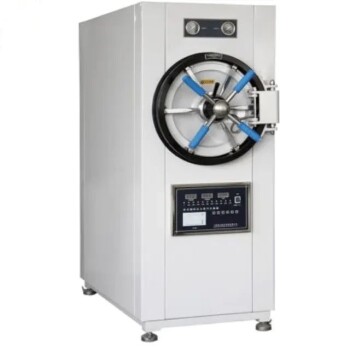
The horizontal autoclave steam sterilizer adopts the method of gravity displacement to remove the cold air in the inner chamber, so that the content of steam cold air in the inner chamber is less, and the sterilization is more reliable.

Desktop Fast High Pressure Laboratory Autoclave Sterilizer 16L 24L for Lab Use

Desktop Fast High Pressure Laboratory Autoclave Sterilizer 16L 24L for Lab Use

The desktop fast steam sterilizer is a compact and reliable device used for rapid sterilization of medical, pharmaceutical, and research items.

Laboratory High Pressure Horizontal Autoclave Steam Sterilizer for Lab Use

Laboratory High Pressure Horizontal Autoclave Steam Sterilizer for Lab Use

The horizontal autoclave steam sterilizer adopts the gravity displacement method to remove the cold air in the inner chamber, so that the inner steam and cold air content is less, and the sterilization is more reliable.

Laboratory Sterilizer Lab Autoclave Pulse Vacuum Lifting Sterilizer

Laboratory Sterilizer Lab Autoclave Pulse Vacuum Lifting Sterilizer

The pulse vacuum lifting sterilizer is a state-of-the-art equipment for efficient and precise sterilization. It uses pulsating vacuum technology, customizable cycles, and a user-friendly design for easy operation and safety.

Lab Sterile Slapping Type Homogenizer for Tissue Mashing and Dispersing

Lab Sterile Slapping Type Homogenizer for Tissue Mashing and Dispersing

The slapping sterile homogenizer can effectively separate the particles contained in and on the surface of solid samples, ensuring that the mixed samples in the sterile bag are fully representative.

Customizable Laboratory High Temperature High Pressure Reactors for Diverse Scientific Applications

Customizable Laboratory High Temperature High Pressure Reactors for Diverse Scientific Applications

High-pressure lab reactor for precise hydrothermal synthesis. Durable SU304L/316L, PTFE liner, PID control. Customizable volume & materials. Contact us!

Manual Heated Hydraulic Press Machine with Heated Plates for Laboratory Hot Press

Manual Heated Hydraulic Press Machine with Heated Plates for Laboratory Hot Press

The Manual Heat Press is a versatile piece of equipment suitable for a variety of applications, operated by a manual hydraulic system that applies controlled pressure and heat to the material placed on the piston.

Heated Hydraulic Press Machine with Integrated Manual Heated Plates for Lab Use

Heated Hydraulic Press Machine with Integrated Manual Heated Plates for Lab Use

Efficiently process heat-pressing samples with our Integrated Manual Heated Lab Press. With a heating range up to 500°C, it's perfect for various industries.

Automatic Laboratory Heat Press Machine

Automatic Laboratory Heat Press Machine

Precision automatic heat press machines for labs—ideal for material testing, composites, and R&D. Customizable, safe, and efficient. Contact KINTEK today!

Low-Temperature Water-Cooled Touchscreen Vibratory Ultrafine Pulverizer

Low-Temperature Water-Cooled Touchscreen Vibratory Ultrafine Pulverizer

Low-temperature water-cooled vibratory pulverizer for ultrafine grinding. Preserves material integrity. Ideal for labs and production. Learn more.

Laboratory Vibratory Sieve Shaker Machine Slap Vibrating Sieve

Laboratory Vibratory Sieve Shaker Machine Slap Vibrating Sieve

KT-T200TAP is a slapping and oscillating sieving instrument for laboratory desktop use, with 300 rpm horizontal circular motion and 300 vertical slapping motions to simulate manual sieving to help sample particles pass through better.

Twin Screw Extruder Plastic Granulation Machine

Twin Screw Extruder Plastic Granulation Machine

Twin screw extruder plastic granulation machine is designed for the mixing and processing experiments of engineering plastics, modified plastics, waste plastics and masterbatches.

Variable Speed Peristaltic Pump

Variable Speed Peristaltic Pump

KT-VSP Series Smart Variable Speed Peristaltic Pumps offer precise flow control for labs, medical, and industrial applications. Reliable, contamination-free liquid transfer.


Leave Your Message