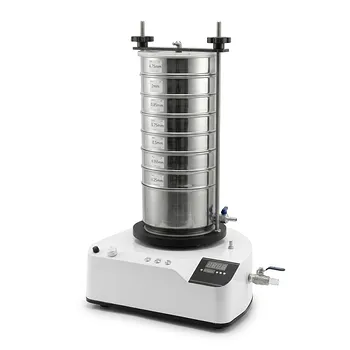
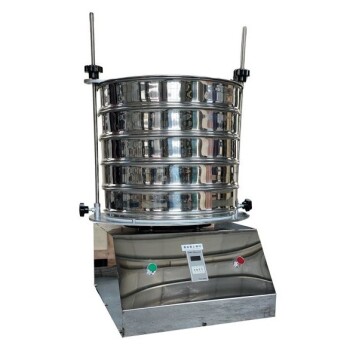
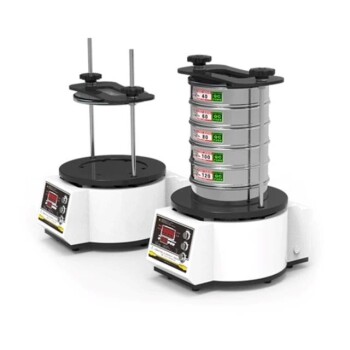
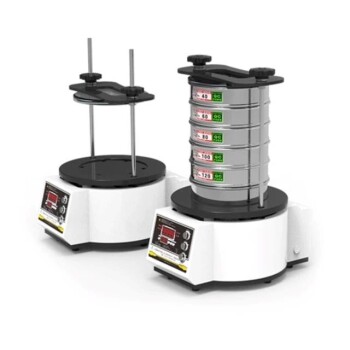
High-precision sieving equipment is the foundational tool for ensuring thermal and chemical uniformity during biomass processing. By standardizing the particle size of crushed biomass shells—typically to specific ranges like 0.400 mm or 150 mesh—manufacturers can guarantee even heat distribution and consistent activator penetration. This precision directly determines the quality, pore structure, and adsorption efficiency of the resulting activated carbon.
Core Takeaway: High-precision sieving eliminates physical variables in raw biomass, ensuring that every particle reacts identically during carbonization and activation. This uniformity is the only way to achieve a stable pore structure and reliable industrial performance in the final product.
The Impact of Thermal Uniformity
Preventing Uneven Heating
In a tube furnace, inconsistent particle sizes lead to uneven heating rates, where smaller particles may over-carbonize while larger ones remain raw at the core. High-precision sieving ensures that the thermal energy penetrates each biomass shell fragment at the same rate, preventing localized overheating.
Standardizing Pore Structure
The development of a stable pore structure depends entirely on a controlled thermal environment. When particles are uniform, the internal gases escape consistently, creating a predictable network of micropores and mesopores essential for high-quality activated carbon.
Eliminating Temperature Gradients
Uniform particle size distribution eliminates internal temperature gradients that occur in larger, non-standardized fragments. This level of control is critical for kinetic modeling and ensuring that the final product meets exact specifications for density and porosity.
Maximizing Chemical Reactivity
Improving Activator Penetration
During chemical activation with agents like zinc chloride (ZnCl2) or potassium hydroxide (KOH), the activator must penetrate the carbon matrix deeply. Precise sieving increases the specific surface area, allowing the activator to coat and etch the carbon surface uniformly rather than reacting only with the exterior of large chunks.
Reducing Mass Transfer Resistance
Smaller, uniform particles achieved through precision sieving significantly reduce external mass transfer resistance. This optimization allows for a faster and more thorough reaction between the biomass and the chemical activator, resulting in a higher proportion of functional pores.
Enhancing Mixing Efficiency
Consistency in particle size allows for the thorough mixing of precursors and activators. This prevents the formation of "dead zones" in the mixture where the chemical reaction might be incomplete, ensuring every gram of biomass is efficiently converted.
Structural Integrity and Performance
Eliminating Stress Concentration Points
In the production of molded activated carbon or pellets, large, irregular particles act as stress concentration points. High-precision sieving ensures a fine powder state that fills microscopic voids, leading to higher bulk density and improved structural strength in the final product.
Increasing Adsorption Rates
For specific applications like fluoride ion removal, the effective surface area must be maximized. Precision sieving allows producers to target ultra-fine size ranges (e.g., 45 to 150 µm) that provide the vast contact area required for rapid and efficient adsorption.
Understanding the Trade-offs
While high-precision sieving is essential for quality, it introduces specific operational challenges. Increased processing time and the requirement for specialized maintenance of fine meshes (to prevent blinding) can raise production costs.
Additionally, achieving extreme precision often results in material loss, as "fines" (particles that are too small) may need to be diverted or repurposed. Manufacturers must balance the need for extreme uniformity with the economic realities of yield and throughput.
How to Apply This to Your Process
High-precision sieving should be integrated immediately after the initial crushing stage to ensure all downstream thermal and chemical processes are optimized. Your choice of mesh size should be dictated by the final application of the activated carbon.
- If your primary focus is gas-phase adsorption: Prioritize sieving to a uniform, granular range to balance pressure drop and surface area.
- If your primary focus is chemical activation efficiency: Utilize ultra-fine sieving (300 μm or smaller) to maximize the penetration depth of activators like phosphoric acid.
- If your primary focus is structural strength in pellets: Refine the biomass to an ultra-fine powder (approx. 150 mesh) to act as a high-density filler.
Precision in the initial sieving stage is the most cost-effective way to guarantee the repeatable quality and adsorption performance of your activated carbon.
Summary Table:
| Feature | Impact on Biomass Processing | Benefit to Final Activated Carbon |
|---|---|---|
| Thermal Uniformity | Eliminates temperature gradients & uneven heating | Stable pore structure & predictable performance |
| Chemical Reactivity | Optimizes activator (ZnCl2/KOH) penetration | Increased specific surface area & adsorption |
| Particle Consistency | Reduces mass transfer resistance during activation | Thorough chemical conversion & higher yield |
| Structural Control | Removes irregular stress concentration points | Higher bulk density & improved pellet strength |
Optimize Your Activated Carbon Research with KINTEK
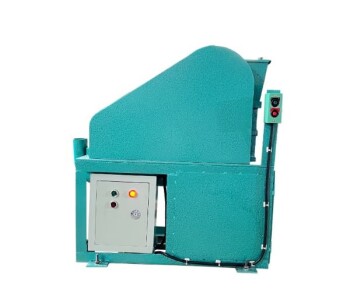
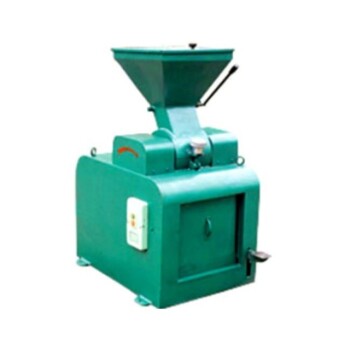
Achieving superior adsorption efficiency begins with precision. KINTEK specializes in providing the foundational tools required for biomass transformation, including high-precision sieving equipment, crushing and milling systems, and advanced high-temperature furnaces (tube, muffle, and rotary).
Whether you are focusing on chemical activation with reactors or analyzing pore structures in the lab, our comprehensive range of laboratory equipment and consumables—from PTFE products to high-pressure autoclaves—ensures your process is repeatable and scalable.
Ready to eliminate variables and enhance your material performance?
Contact KINTEK Today for a Tailored Solution
References
- Edouard Mbarick Ndiaye, Mady Cissé. Processes for the Clarification of the Crude Oil of Baobab Seeds Extracted by Pressing on Activated Carbon Elaborated from the Capsules of the Fruit (<i>Adansonia digitata</i> L.). DOI: 10.4236/aces.2023.132009
This article is also based on technical information from Kintek Solution Knowledge Base .
Related Products
- Three-dimensional electromagnetic sieving instrument
- Laboratory Vibratory Sieve Shaker Machine for Dry and Wet Three-Dimensional Sieving
- Laboratory High Throughput Tissue Grinding Mill Grinder
- Laboratory Test Sieves and Sieving Machines
- Laboratory Wet Three-Dimensional Vibratory Sieve Shaker Machine
People Also Ask
- Why is sieving equipment essential for the classification of processed bio-activated carbon? Optimize Performance
- What are the limitations of sieving? Understanding the Constraints of Particle Size Analysis
- What are advantages and disadvantages of sieving method? A Guide to Reliable & Cost-Effective Particle Sizing
- How is sieving important? The Critical Role of Particle Size Analysis in Quality Control
- What is sieving and how does it work? A Guide to Accurate Particle Size Analysis