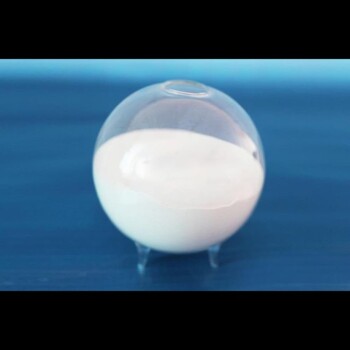
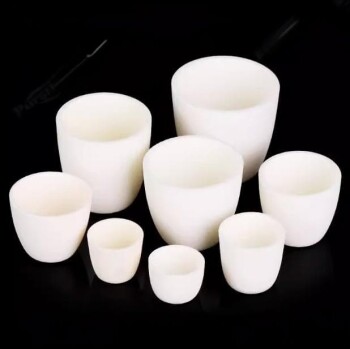
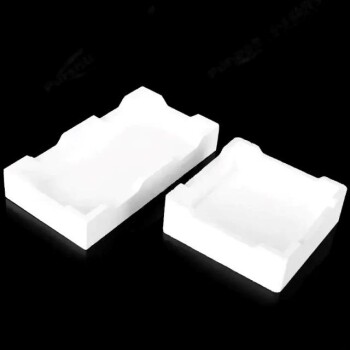
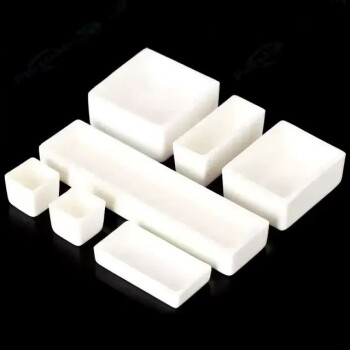
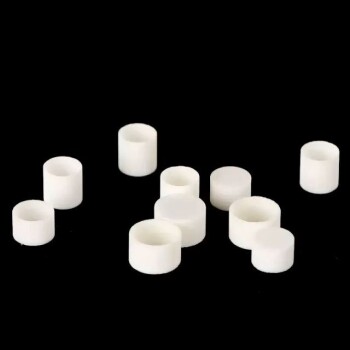
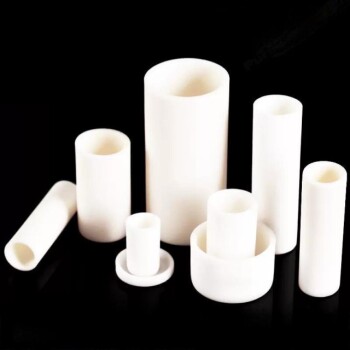
High-purity alumina (Al2O3) is preferred because it maintains structural integrity and chemical inertness in environments where quartz fails. While quartz is susceptible to crystallization, deformation, and reaction with corrosive steam at extreme temperatures, high-purity alumina remains stable up to 1773 K, ensuring that the reaction vessel does not contaminate the experiment or skew oxidation data.
Core Takeaway
In high-temperature steam oxidation, the reaction chamber must be an invisible variable. High-purity alumina is the superior choice because it eliminates the risks of container-induced contamination and mass change, ensuring that all measured data results solely from the specimen's reaction to the environment.
Material Stability Under Extreme Heat
Resisting Deformation and Crystallization
The primary failure mode for quartz in high-temperature experiments is physical instability. At temperatures approaching and exceeding the ranges used in steam oxidation (up to 1773 K), quartz is prone to crystallization and deformation.
This structural breakdown compromises the seal of the reaction environment. High-purity alumina, conversely, retains its structural strength and rigid form at these extremes, preventing the collapse or warping of the reaction tube.
Withstanding Corrosive Steam
Steam acts as a corrosive agent at high temperatures, aggressively attacking materials that are otherwise stable in dry air. Alumina possesses exceptional resistance to steam erosion, protecting the physical boundaries of the experiment.
Quartz lacks this specific resilience at extreme temperatures. If the container material degrades under steam attack, it introduces foreign particles into the atmosphere, rendering the simulation of the oxidation environment inaccurate.
Preserving Chemical Purity
Eliminating Cross-Contamination
For valid scientific results, the reaction chamber must be chemically transparent. High-purity alumina is chemically inert, meaning it does not react with metal specimens, graphite, or oxygen, even at temperatures as high as 1350 °C to 1773 K.
This inertness prevents the "container effect," where the vessel itself alters the chemical composition of the cladding materials or the reaction atmosphere.
Isolating Gravimetric Variables
Oxidation experiments often rely on gravimetric methods (measuring weight gain or loss) to determine reaction kinetics. If the crucible or tube reacts with the steam or the sample, that mass change is indistinguishable from the sample's actual oxidation.
By using high-purity alumina, researchers ensure that any measured weight change is derived solely from the oxidation of the metal coating. This isolation is critical for calculating accurate corrosion rates.
Ensuring Data Integrity
Capturing Oxide Spallation
During oxidation, oxide scales may peel off (spall) from the sample. A proper reaction vessel must catch these fragments without reacting with them.
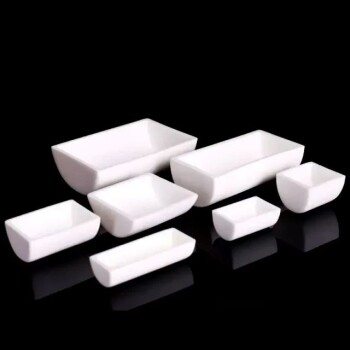
Alumina crucibles serve as effective physical supports that collect spalled scales. Because the alumina does not chemically interact with the fallen scale, the total mass balance of the experiment remains accurate, preserving the integrity of mass gain data.
Common Pitfalls to Avoid
The Risk of Quartz Devitrification
Using quartz in experiments exceeding its thermal limits introduces the risk of devitrification. This is a process where the amorphous glass structure transforms into a crystalline state, leading to cracking and catastrophic failure of the tube.
Misinterpreting "Inert"
Not all ceramics are equally inert in steam. While lower-grade ceramics might suffice for dry oxidation, the presence of high-temperature steam requires the specific chemical stability of high-purity alumina. Using substitutes with lower purity levels can introduce impurities that catalyze unwanted reactions, invalidating the study.
Making the Right Choice for Your Goal
To maximize the reliability of your experimental data, select your reaction vessel material based on your specific thermal and chemical requirements.
- If your primary focus is Structural Integrity at >1200 K: Choose high-purity alumina to prevent crystallization, deformation, and tube collapse that often occurs with quartz.
- If your primary focus is Precise Kinetic Data: Rely on high-purity alumina to ensure that mass change measurements reflect only the sample's behavior, free from container interference.
High-purity alumina is not just a container; it is a critical control measure that safeguards the validity of high-temperature steam research.
Summary Table:
| Feature | Quartz (SiO2) | High-Purity Alumina (Al2O3) |
|---|---|---|
| Max Operating Temp | Limited (>1200K risks failure) | Stable up to 1773 K |
| Structural Stability | Prone to deformation/crystallization | Maintains rigid form & strength |
| Steam Resistance | Susceptible to steam erosion | Exceptional resistance to corrosion |
| Chemical Inertness | Risk of devitrification/reaction | Chemically inert; no cross-contamination |
| Data Accuracy | Potential for container-induced mass change | Ensures mass change is specimen-only |
Elevate Your Research Precision with KINTEK
Don't let container interference compromise your critical oxidation data. KINTEK specializes in providing high-performance laboratory solutions designed for the most demanding thermal environments. Whether you require high-purity alumina ceramics, precision high-temperature furnaces (muffle, tube, or vacuum), or specialized high-pressure reactors, our expert team is ready to equip your lab for success.
Our value to you:
- Unmatched Material Purity: High-grade alumina and ceramic consumables that prevent cross-contamination.
- Comprehensive Thermal Range: Furnaces and crucibles engineered to maintain structural integrity up to 1773 K and beyond.
- End-to-End Solutions: From crushing and milling systems to advanced battery research tools and cooling solutions.
Ready to optimize your high-temperature experiments? Contact KINTEK today to discuss your specific requirements!
References
- Bruce A. Pint, Lance L. Snead. Material Selection for Accident Tolerant Fuel Cladding. DOI: 10.1007/s40553-015-0056-7
This article is also based on technical information from Kintek Solution Knowledge Base .
Related Products
- High Purity Alumina Granulated Powder for Engineering Advanced Fine Ceramics
- High Temperature Alumina (Al2O3) Furnace Tube for Engineering Advanced Fine Ceramics
- High Temperature Wear-Resistant Alumina Al2O3 Plate for Engineering Advanced Fine Ceramics
- Arc-Shaped Alumina Ceramic Crucible High Temperature Resistant for Engineering Advanced Fine Ceramics
- 1700℃ Laboratory High Temperature Tube Furnace with Alumina Tube
People Also Ask
- What is the function of high-purity alumina powder in pack cementation? Ensure Uniform Aerospace Blade Coatings
- How should alumina powder be selected for polishing a disc electrode, and what is the procedure for removing scratches? Achieve a Perfect Mirror Finish
- What are the properties and handling precautions for alumina powder as a polishing material? Achieve a Flawless Finish with Precision
- Why is it necessary to apply alumina powder to graphite molds for TiC10/Cu-Al2O3? Ensure Smooth Release.
- What measures should be taken to prevent cross-contamination when using different sizes of alumina powder?