The necessity of corrosion-resistant systems stems from the aggressive synergy of heat and acidity. Acid hydrolysis pretreatment typically employs high concentrations of sulfuric acid (H2SO4) or hydrochloric acid (HCl) at elevated temperatures. Without specialized high-performance reactors, this environment rapidly degrades standard equipment, compromising safety and contaminating the biomass feedstock.
Core Takeaway The critical value of corrosion-resistant reactors extends beyond equipment longevity; it is essential for protecting downstream biological processes. Corrosion introduces metal ions into the feedstock, which can act as toxins that inhibit microbial metabolism during the subsequent fermentation phase.
The Chemical and Physical Stressors
The Multiplier Effect of Heat and Acid
Acid hydrolysis relies on strong inorganic acids like sulfuric or hydrochloric acid to break down biomass. While corrosive on their own, their destructive potential is significantly amplified when combined with the high temperatures required for efficient pretreatment.
Structural Integrity and Safety
Under these conditions, standard materials deteriorate rapidly. This degradation can lead to dangerous leaks or catastrophic vessel failure, particularly when the process involves high pressure alongside high heat. High-performance reactors utilize specialized alloys or linings to maintain structural integrity against this chemical attack.
Protecting Downstream Biological Processes
The Danger of Metal Leaching
A frequently overlooked risk of using non-resistant equipment is the leaching of metal ions from the reactor walls into the biomass slurry. Even microscopic amounts of corrosion byproducts can contaminate the sample.
Preventing Microbial Toxicity
This contamination is not just an impurity; it is a process inhibitor. The leached metal ions can exert toxic effects on microbial metabolism. If the feedstock is intended for fermentation or anaerobic digestion, these ions can poison the microorganisms, drastically reducing yields or causing total process failure.
Engineering Solutions for Resistance
Specialized Linings
To mitigate these risks, high-performance systems often employ inert linings. Materials such as PTFE (polytetrafluoroethylene) or borosilicate glass isolate the metal vessel from the acidic media, preventing both corrosion and contamination.
High-Grade Alloys
Alternatively, reactors may be constructed entirely from advanced corrosion-resistant alloys. These materials are engineered to withstand the specific combination of strong acids and thermal stress without degrading over long operational lifecycles.
Understanding the Trade-offs
Initial Investment vs. Operational Risk
High-performance corrosion-resistant systems command a significantly higher upfront cost than standard steel reactors. However, utilizing cheaper materials often results in higher long-term costs due to frequent equipment replacement, production downtime, and safety audits.
Mechanical Vulnerabilities of Linings
While lined reactors (e.g., glass or PTFE) offer excellent chemical resistance, they introduce mechanical constraints. These linings can be susceptible to damage from thermal shock (rapid temperature changes) or physical impact, requiring more distinct handling protocols than solid alloy vessels.
Making the Right Choice for Your Goal
Select your reactor system based on the specific sensitivities of your downstream applications.
- If your primary focus is bio-fermentation yields: Prioritize reactors with inert linings (PTFE or Glass) to guarantee zero metal ion leaching and protect microbial health.
- If your primary focus is high-pressure throughput: Choose reactors made from high-grade corrosion-resistant alloys that offer superior mechanical strength alongside chemical resistance.
- If your primary focus is safety compliance: Ensure the material rating specifically matches the concentration of acid and the maximum temperature of your protocol to prevent containment breaches.
Invest in the material that protects both your physical plant and your biological product.
Summary Table:
| Feature | Specialized Alloy Reactors | Lined Reactors (PTFE/Glass) |
|---|---|---|
| Primary Benefit | Superior mechanical strength & pressure | Zero metal ion leaching |
| Acid Resistance | High (Material specific) | Excellent (Inert surface) |
| Thermal Shock | Highly Resilient | Vulnerable to rapid changes |
| Best Use Case | High-pressure throughput | Bio-fermentation & high purity |
| Durability | Long operational lifecycle | Requires careful handling |
Protect Your Yields with KINTEK’s Advanced Reactor Solutions
Don't let equipment corrosion compromise your research or production. KINTEK specializes in high-performance high-temperature high-pressure reactors and autoclaves designed specifically to withstand the harshest acidic environments. Whether you need the mechanical toughness of specialized alloys or the chemical inertness of PTFE-lined systems, our engineering team provides the tools necessary to prevent metal contamination and ensure microbial viability in downstream fermentation.
From high-grade crucibles and ceramics to integrated crushing and milling systems, KINTEK offers a comprehensive ecosystem for biomass pretreatment and material science. Secure your process integrity today—contact our technical experts here to find the perfect corrosion-resistant solution for your lab.
References
- Lorianna Mahalingam, Mailin Misson. Lignocellulosic Biomass – A Sustainable Feedstock for Acetone-Butanol-Ethanol Fermentation. DOI: 10.3311/ppch.18574
This article is also based on technical information from Kintek Solution Knowledge Base .
Related Products
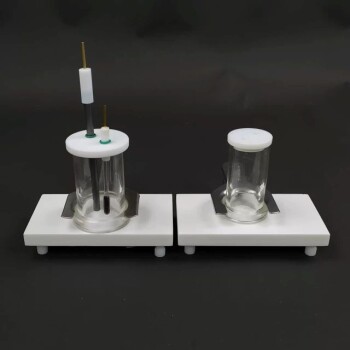
- PTFE Electrolytic Cell Electrochemical Cell Corrosion-Resistant Sealed and Non-Sealed
- Stainless High Pressure Autoclave Reactor Laboratory Pressure Reactor
- Custom PTFE Teflon Parts Manufacturer for Hydrothermal Synthesis Reactor Polytetrafluoroethylene Carbon Paper and Carbon Cloth Nano-growth
- Customizable Laboratory High Temperature High Pressure Reactors for Diverse Scientific Applications
- Mini SS High Pressure Autoclave Reactor for Laboratory Use
People Also Ask
- What is the necessity of selecting a PTFE electrolytic cell? Ensure Precise Graphene Corrosion Testing Accuracy
- What is the proper method for cleaning the surface of an all-PTFE electrolytic cell? Ensure Accurate Results with a Pristine Surface
- How should an all-PTFE electrolytic cell be stored after use? Expert Maintenance Tips for Long-Lasting Performance
- What is the proper cleaning method for an all-PTFE electrolytic cell? Essential Tips for Surface Integrity
- What are the standard opening specifications for all-PTFE electrolytic cells? A Guide to Sealed vs. Non-Sealed Ports