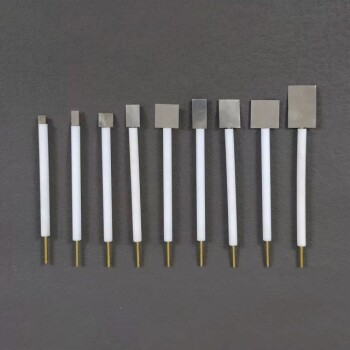
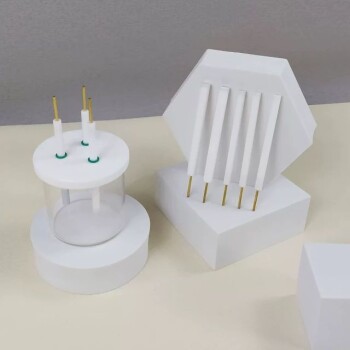
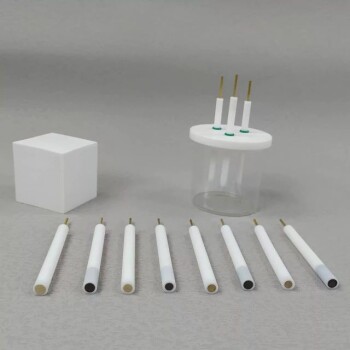
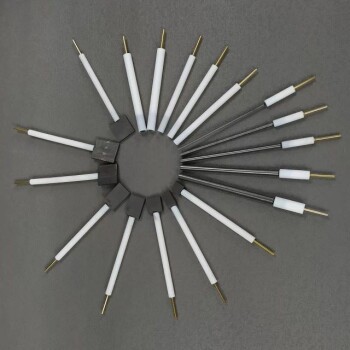
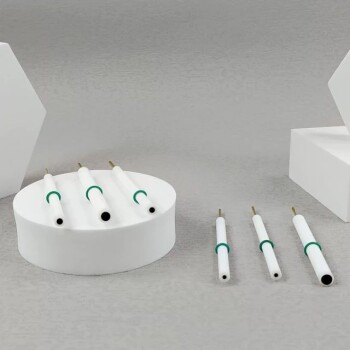
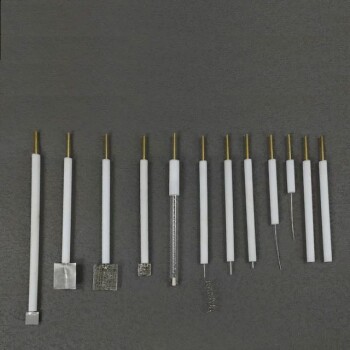
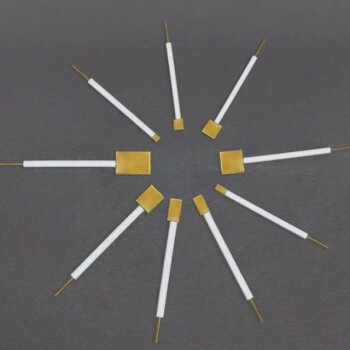
Physical grinding is prohibited because it mechanically removes the microscopically thin layer of precious metal that gives the electrode its functionality. Unlike solid metal electrodes, plated versions rely entirely on this delicate surface coating; once it is abraded away, the underlying substrate is exposed, permanently ruining the device.
Core Takeaway The functionality of a plated electrode is defined by a fragile, superficial layer of metal. Any form of physical polishing or grinding destroys this layer, exposing the non-functional base material and rendering the electrode useless for accurate electrochemical analysis.
The Structural Vulnerability of Plated Electrodes
The Nature of the Coating
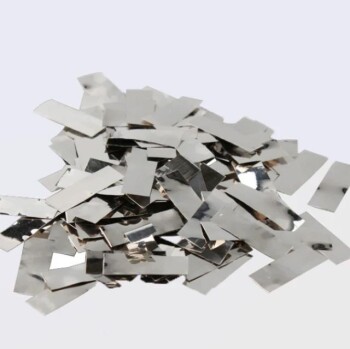
Plated electrodes (whether gold, platinum, or silver) are not uniform blocks of metal. They consist of a cheaper base substrate material coated with an extremely thin layer of the precious metal. This thin layer is the only part of the device capable of performing the required electrochemistry.
The Mechanism of Failure
Grinding is an abrasive process designed to remove surface material. Because the plated layer is so thin, even mild polishing immediately wears it away. This strips the electrode of its "active" surface, leaving behind only the inert or reactive base material.
Consequences for Experimental Integrity
Exposure of Base Material
Once the plating is breached, the solution comes into contact with the substrate rather than the precious metal. The substrate has completely different chemical properties, which invalidates the premise of your experiment.
Data Degradation
The destruction of the surface layer fundamentally alters the electrochemical characteristics of the electrode. This leads to a significant degradation in data accuracy, often manifesting as unexpected noise, shifted potentials, or a total loss of signal.
Understanding the Maintenance Trade-offs
The Cost vs. Durability Conflict
Plated electrodes are often chosen because they are more affordable than solid metal electrodes. However, the trade-off for this lower cost is a complete lack of mechanical durability. You cannot resurface them to extend their lifespan.
The Cleaning Limitation
Because you cannot use mechanical force, you are restricted to chemical cleaning methods. If a plated electrode becomes fouled with a substance that chemical solvents cannot remove, the electrode is effectively ruined and must be replaced.
Making the Right Choice for Your Goal
To ensure the longevity of your equipment and the accuracy of your results, adhere to the following guidelines:
- If your primary focus is maintaining plated electrodes: Use only solvent rinsing techniques to clean the surface, avoiding all abrasive pads, pastes, or sandpaper.
- If your primary focus is heavy-duty usage: Consider investing in solid metal electrodes if your experiments cause surface fouling that requires regular mechanical polishing.
Treat the plated surface as a non-renewable resource that must be chemically preserved, never mechanically altered.
Summary Table:
| Feature | Plated Electrodes | Solid Metal Electrodes |
|---|---|---|
| Surface Material | Thin precious metal layer | Uniform through-body metal |
| Mechanical Cleaning | Prohibited (Destroys coating) | Recommended (Polishing/Grinding) |
| Durability | Low (Fragile surface) | High (Can be resurfaced) |
| Maintenance | Chemical solvents only | Mechanical & Chemical |
| Cost Profile | Economical/Budget-friendly | High initial investment |
| Service Life | Limited by surface integrity | Extended via resurfacing |
Maximize Your Electrochemical Precision with KINTEK
Don't let improper maintenance compromise your research results. KINTEK specializes in high-performance laboratory equipment, providing everything from electrolytic cells and precision electrodes to advanced crushing and milling systems. Whether you need the cost-effective precision of plated electrodes or the rugged durability of solid metal options, our experts are here to help you select the right tools for your specific application.
Our value to you:
- Comprehensive Range: From high-temperature furnaces and hydraulic presses to specialized battery research tools.
- Expert Guidance: Ensure the longevity of your consumables like PTFE products, ceramics, and crucibles with our professional support.
- Quality Assurance: High-purity materials designed for the most demanding electrochemical environments.
Contact KINTEK today to optimize your lab's performance!
References
- Arthur J. Shih, Marc T. M. Koper. Water electrolysis. DOI: 10.1038/s43586-022-00164-0
This article is also based on technical information from Kintek Solution Knowledge Base .
Related Products
- Platinum Sheet Electrode for Laboratory and Industrial Applications
- Platinum Sheet Electrode for Battery Lab Applications
- Rotating Platinum Disk Electrode for Electrochemical Applications
- Metal Disc Electrode Electrochemical Electrode
- Graphite Disc Rod and Sheet Electrode Electrochemical Graphite Electrode
People Also Ask
- What is a common use for a platinum sheet electrode? As a Reliable Counter Electrode in Electrochemical Cells
- What is the most critical guideline for immersing a platinum sheet electrode in an electrolyte? Ensure Accurate Electrochemical Measurements
- What is the purity of the platinum sheet in a platinum sheet electrode? The Key to Reliable Electrochemical Data
- What is the expected lifespan of a platinum sheet electrode? Maximize Your Electrode's Service Life
- What are the available specifications for platinum sheet electrodes? Find the Perfect Fit for Your Electrochemical Needs