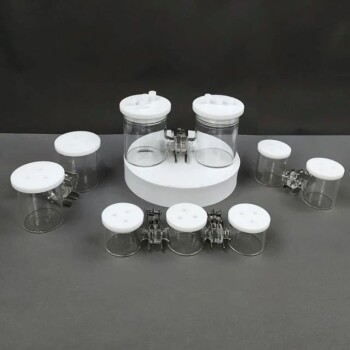
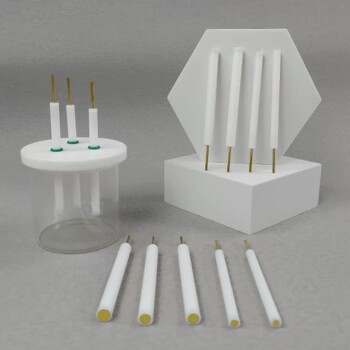
The selection of electrode material is the single most decisive factor in whether an EAOP reactor can successfully mineralize PFAS. Standard electrodes lack the specific electrochemical properties required to generate the energy necessary to sever the notoriously stable bonds found in these "forever chemicals."
The effectiveness of PFAS degradation hinges on using electrodes with a high oxygen evolution potential, such as Boron-Doped Diamond (BDD). These materials are uniquely capable of generating the potent hydroxyl radicals required to break stable carbon-fluorine bonds, converting persistent pollutants into harmless inorganic ions.
The Challenge of the Carbon-Fluorine Bond
Overcoming Extreme Stability
PFAS molecules are characterized by their carbon-fluorine (C-F) bonds. These are among the strongest single bonds known in organic chemistry.
The Energy Threshold
Because these bonds are so stable, standard oxidation processes often fail to make a dent. The system requires an electrode capable of initiating a physical-chemical reaction energetic enough to exceed the bond strength of the C-F connection.
How Specialized Electrodes Drive Degradation
High Oxygen Evolution Potential (OEP)
The critical metric for these electrodes is high oxygen evolution potential. Materials with high OEP resist generating oxygen gas from water, directing that energy instead toward the formation of powerful oxidants.
Generating Hydroxyl Radicals
specialized materials, such as Boron-Doped Diamond (BDD) and specific metal oxides, generate highly active hydroxyl radicals directly at the electrode surface. These radicals act as "chemical scissors," attacking the PFAS structure.
Direct Electron Transfer
In addition to creating radicals, these high-performance electrodes facilitate direct electron transfer. This process physically strips electrons from the PFAS molecule, destabilizing it and forcing it to break down.
The Final Outcome
When the electrode functions correctly, it completely dismantles the PFAS molecule. The result is the conversion of a persistent organic pollutant into harmless inorganic ions.
Understanding the Trade-offs
Specificity vs. Generalization
Not all "conductive" materials will work for this application. Using generic electrode materials with low oxygen evolution potential will likely result in the electrolysis of water rather than the degradation of PFAS.
Material Selection
While Boron-Doped Diamond is often the gold standard due to its wide potential window, specific metal oxides also function in this capacity. The choice involves balancing the efficiency of radical generation against the specific operational constraints of the reactor.
Making the Right Choice for Your Goal
To ensure successful remediation, you must match the electrode material to the chemical stability of the target contaminant.
- If your primary focus is maximum degradation efficiency: Prioritize materials like Boron-Doped Diamond (BDD), as their high oxygen evolution potential maximizes the production of hydroxyl radicals needed to break C-F bonds.
- If your primary focus is exploring alternative materials: Investigate specific metal oxide electrodes that demonstrate similar high oxygen evolution potentials, ensuring they are capable of facilitating the necessary direct electron transfer.
The electrode is not merely a component of the circuit; it is the active catalyst that renders a persistent toxin harmless.
Summary Table:
| Feature | Standard Electrodes | High-Performance Electrodes (e.g., BDD) |
|---|---|---|
| Oxygen Evolution Potential (OEP) | Low | High |
| Primary Reaction | Water Electrolysis (Gas Production) | Formation of Hydroxyl Radicals (·OH) |
| C-F Bond Cleavage | Ineffective | Highly Effective (Mineralization) |
| Degradation Mechanism | Surface Adsorption Only | Direct Electron Transfer & Radical Attack |
| Application Result | Persistent Contamination | Conversion to Harmless Inorganic Ions |
Revolutionize Your PFAS Remediation with KINTEK Precision
Don't let "forever chemicals" compromise your laboratory's environmental goals. At KINTEK, we specialize in the high-performance components necessary for advanced electrochemical research. Our premium boron-doped diamond (BDD) electrodes and specialized electrolytic cells are engineered to provide the high oxygen evolution potential required to dismantle the world's most stable organic bonds.
Whether you are developing next-generation EAOP reactors or optimizing water treatment protocols, KINTEK offers the complete solution—from high-temperature furnaces for material synthesis to precision electrolytic cells and electrodes for electrochemical testing.
Ready to achieve complete PFAS mineralization? Contact KINTEK today to discuss your project requirements and find the perfect electrode solution!
References
- Md. Moshiur Rahman Tushar, Lewis S. Rowles. Balancing sustainability goals and treatment efficacy for PFAS removal from water. DOI: 10.1038/s41545-024-00427-1
This article is also based on technical information from Kintek Solution Knowledge Base .
Related Products
- Laboratory CVD Boron Doped Diamond Materials
- H Type Electrolytic Cell Triple Electrochemical Cell
- Reference Electrode Calomel Silver Chloride Mercury Sulfate for Laboratory Use
- Gold Disc Electrode
People Also Ask
- What is the purpose of adding a boron source in CVD diamond growth? Master P-Type Semiconductor Conductivity
- What materials are CVD deposition? From Semiconductors to Super-Hard Coatings
- What are the advantages of BDD electrodes? Maximize Wastewater Treatment Efficiency and Durability
- What are the applications of CVD diamonds? From Jewelry to High-Tech Tools
- Are CVD diamonds good? Real Diamonds with Ethical Origins & Better Value