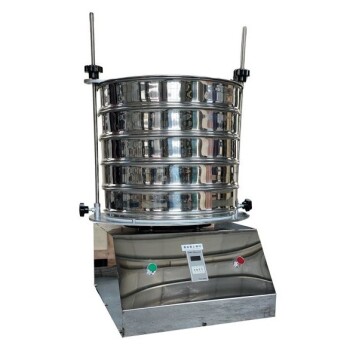
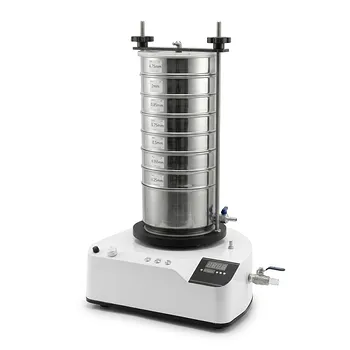
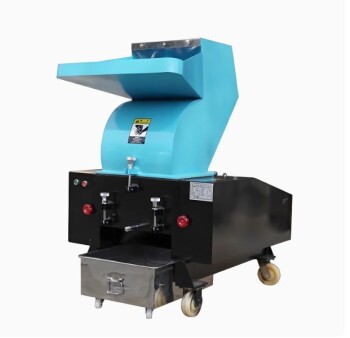
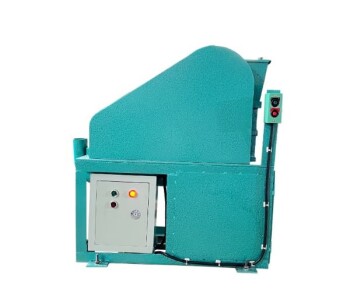
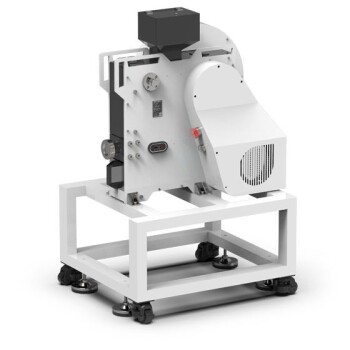
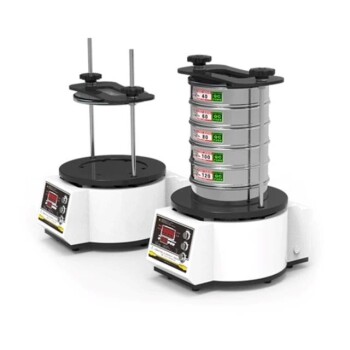
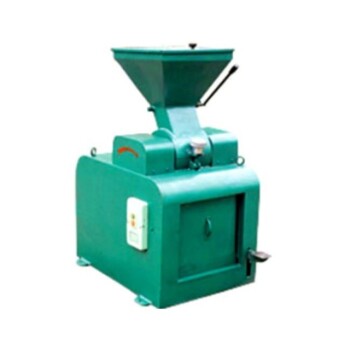
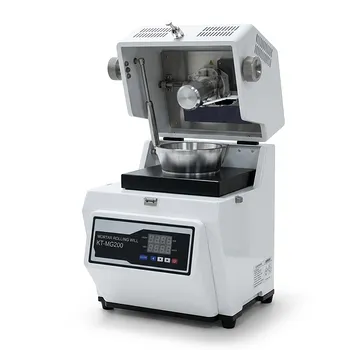
High-precision crushing and sieving systems are critical for establishing the fundamental physical conditions required for successful pyrolysis. These systems reduce sugarcane bagasse to a specific, narrow particle size range—typically 420 to 600 micrometers—which acts as the governing variable for the entire thermochemical process. Without this mechanical precision, maintaining the necessary reactor dynamics for efficient bio-oil production becomes virtually impossible.
The efficiency of a fluidized bed reactor is dictated by particle uniformity. Precision pretreatment is the only way to ensure stable fluidization and uniform heating, directly preventing material waste and maximizing the quality of the final bio-oil product.
The Physics of Reactor Stability
Achieving Stable Fluidization
The primary reason for precise sizing is to maintain a stable fluidization state. In a fluidized bed reactor, solid biomass must behave like a fluid to mix properly with the heat source.
If particles are outside the 420-600 micrometer range, this state collapses. Uniform sizing ensures the gas flow suspends the particles consistently, creating a stable environment for reaction.
Preventing Material Blowout
A major risk in pyrolysis is the presence of "fines," or ultra-small particles.
Without high-precision sieving to remove these fines, they overheat rapidly. Consequently, they are often blown out of the reactor by the gas stream before they can fully convert, leading to significant material loss.
Thermal Efficiency and Product Quality
Ensuring Uniform Heating
Pyrolysis relies on rapid, consistent heat transfer.
When bagasse particles are sized identically, they absorb heat at the same rate. This uniform heating prevents "cold spots" inside the reactor that lead to incomplete reactions and lower-quality output.
Optimizing Bio-oil Yield
The ultimate goal of the system is to maximize the production of bio-oil.
By controlling the particle size, you optimize the reaction time. This precision prevents the biomass from turning into excess char (if too large) or gas (if too small), ensuring the highest possible yield of liquid bio-oil.
Common Pitfalls of Inadequate Sizing
The Cost of Variability
It is tempting to rely on standard crushing without strict sieving, but this introduces particle size variability.
A mix of irregular sizes destabilizes the reactor temperature. Large particles may not pyrolyze completely in the allotted time, leaving unreacted cores. Conversely, an excess of fines can clog downstream filters and contaminate the bio-oil, significantly reducing the commercial viability of the product.
Making the Right Choice for Your Goal
To maximize the efficiency of your pyrolysis application, consider these factors when designing your pretreatment stage:
- If your primary focus is Process Stability: Prioritize sieving systems that strictly eliminate particles smaller than 420 micrometers to prevent flow disruptions and blowout.
- If your primary focus is Bio-oil Quality: Ensure your crushing system consistently hits the 600-micrometer upper limit to guarantee uniform heating and complete chemical conversion.
Precision in the physical preparation of biomass is the single most effective way to guarantee chemical success in the reactor.
Summary Table:
| Feature | Optimal Range | Impact on Pyrolysis |
|---|---|---|
| Particle Size | 420 - 600 μmeters | Ensures stable fluidization and prevents material blowout. |
| Sizing Uniformity | High Precision | Guarantees uniform heating and prevents incomplete reactions. |
| Fines Control | Minimum < 420 μm | Prevents gas stream loss and downstream filter clogging. |
| Output Quality | Bio-oil Optimization | Minimizes excess char and gas for maximum liquid yield. |
Optimize Your Biomass Research with KINTEK Precision
Don't let inconsistent particle sizes compromise your pyrolysis yields. KINTEK specializes in advanced crushing and milling systems and high-precision sieving equipment designed to meet the rigorous demands of biomass pretreatment.
Whether you are developing bio-oils in a fluidized bed or conducting advanced material analysis, our comprehensive range of laboratory equipment—from high-temperature furnaces and vacuum reactors to hydraulic presses and PTFE consumables—ensures your research is backed by precision and reliability.
Ready to achieve superior reactor stability? Contact our experts today to find the perfect pretreatment solution for your laboratory.
References
- Mohammad Rofiqul Islam, Md. Shazib Uddin. Thermochemical Conversion of Sugarcane Bagasse into Bio-Crude Oils by Fluidized-Bed Pyrolysis Technology. DOI: 10.1299/jtst.5.11
This article is also based on technical information from Kintek Solution Knowledge Base .
Related Products
- Laboratory Test Sieves and Sieving Machines
- Three-dimensional electromagnetic sieving instrument
- Laboratory Vibratory Sieve Shaker Machine for Dry and Wet Three-Dimensional Sieving
- Powerful Plastic Crusher Machine
- Sealed Jaw Crusher High Efficiency Environmental Protection Safe and Reliable
People Also Ask
- What are laboratory test sieves used for? A Guide to Particle Size Analysis
- How do you calculate the sieve test? Master Particle Size Distribution for Quality Control
- How does a lab test sieve contribute to biomass charcoal powder preparation? Achieve Uniform Particle Size
- What are the specifications for test sieves? A Guide to ASTM & ISO Standards for Accurate Particle Analysis
- What materials are required for sieving? Achieve Accurate Particle Size Analysis