Reactors must withstand acid corrosion because the fundamental mechanism of indirect CO2 mineralization relies on the use of aggressive chemical solvents. To successfully extract calcium and magnesium ions from mineral feedstocks, operators introduce acidic leaching agents—such as hydrochloric or acetic acid—creating a low-pH environment that would rapidly degrade standard construction materials.
The core challenge of indirect mineralization is that the extraction process is chemically aggressive by design. Therefore, reactor vessels must be constructed from or lined with specialized, acid-resistant materials to maintain structural integrity and prevent equipment failure.
The Mechanics of Extraction
The Role of Leaching Agents
Indirect CO2 mineralization is not a passive process; it requires chemical intervention to work. The process utilizes acidic leaching agents to dissolve solid minerals.
Common agents include hydrochloric acid or acetic acid. These chemicals are introduced specifically to liberate calcium and magnesium ions, which are necessary for the subsequent carbonation capability.
The Low-pH Environment
The introduction of these acids fundamentally alters the internal environment of the reactor. The reaction chamber becomes a low-pH environment characterized by high chemical reactivity.
Standard containment vessels cannot survive these conditions. Without specific protection, the vessel walls would react with the fluid, contaminating the process and compromising the vessel.
Material Engineering Requirements
Selecting Resistant Materials
To counter the corrosive environment, engineering teams must utilize specific materials known for chemical inertness. The primary reference identifies Polytetrafluoroethylene (PTFE) as a key lining material.
Alternatively, the reactor body may be constructed entirely from corrosion-resistant alloys. These materials act as a barrier, ensuring the acid attacks the mineral feedstock, not the equipment.
Ensuring Structural Integrity
The primary goal of using these specialized materials is preserving structural integrity. A corroded reactor poses severe safety risks, including leaks of hazardous acid or catastrophic pressure failure.
Maximizing Equipment Longevity
Beyond immediate safety, corrosion resistance is an economic necessity. Reactors built with acid-resistant liners or alloys ensure the longevity of the capital equipment, preventing frequent downtime and costly replacements.
Understanding the Trade-offs
Increased Material Costs
While acid resistance is mandatory, it introduces significant cost implications. Corrosion-resistant alloys and high-grade PTFE linings are substantially more expensive than standard carbon steel or stainless steel options.
Fabrication Complexity
Building reactors with these materials requires specialized manufacturing techniques. Welding exotic alloys or properly bonding PTFE liners adds complexity to the fabrication process, potentially extending lead times for equipment.
Making the Right Choice for Your Project
Selecting the correct reactor design depends on balancing process requirements with long-term operational goals.
- If your primary focus is Equipment Longevity: Prioritize high-grade alloys or thick PTFE linings to minimize maintenance cycles in harsh, low-pH environments.
- If your primary focus is Process Efficiency: Ensure the selected lining material is fully compatible with the specific acid concentration (hydrochloric vs. acetic) required to maximize ion extraction.
Success in indirect CO2 mineralization ultimately begins with selecting a reactor capable of surviving its own chemistry.
Summary Table:
| Factor | Requirement in Indirect Mineralization | Material Solutions |
|---|---|---|
| Environment | Low-pH (Acidic) | PTFE Lining, Corrosion-Resistant Alloys |
| Chemical Agents | Hydrochloric, Acetic Acids | Chemically Inert Barriers |
| Safety Focus | Structural Integrity | High-Pressure/High-Temp Rated Vessels |
| Economic Goal | Equipment Longevity | Durable, Corrosion-Proof Materials |
| Key Outcome | Pure Ion Extraction | Contamination-Free Reaction Chambers |
Maximize Your Mineralization Efficiency with KINTEK
Don't let aggressive chemical environments compromise your research or production. KINTEK specializes in high-performance laboratory solutions designed for the most demanding applications. Whether you are conducting CO2 sequestration studies or advanced chemical synthesis, our premium high-temperature high-pressure reactors and autoclaves, available with custom PTFE linings and corrosion-resistant ceramics, ensure maximum longevity and safety.
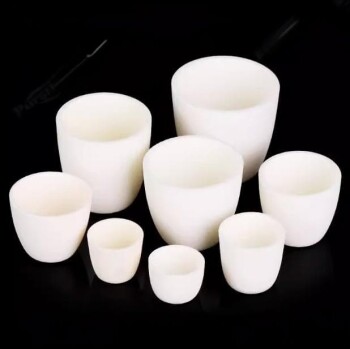
From PTFE products and crucibles to integrated high-temperature furnaces and crushing systems, we provide the end-to-end equipment necessary to scale your mineralization processes.
Ready to protect your investment and optimize your results? Contact our engineering experts today to find the perfect acid-resistant solution for your laboratory.
References
- Chuanbo Zhang, Tao Yue. An Approach to CO2 Emission Reduction in the Iron and Steel Industry: Research Status and Development Trends of Integrated Absorption-Mineralization Technologies. DOI: 10.3390/su17020702
This article is also based on technical information from Kintek Solution Knowledge Base .
Related Products
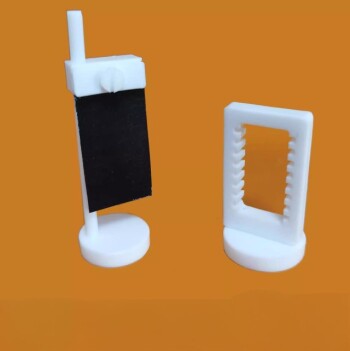
- Custom PTFE Teflon Parts Manufacturer for Hydrothermal Synthesis Reactor Polytetrafluoroethylene Carbon Paper and Carbon Cloth Nano-growth
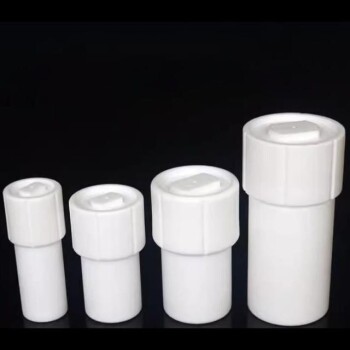
- Custom PTFE Teflon Parts Manufacturer for Microwave Digestion Tank
- Customizable Laboratory High Temperature High Pressure Reactors for Diverse Scientific Applications
- Stainless High Pressure Autoclave Reactor Laboratory Pressure Reactor
- High Pressure Laboratory Autoclave Reactor for Hydrothermal Synthesis
People Also Ask
- What is the function of a PTFE reactor in MXene etching? Ensure Safe, High-Purity MAX Phase Conversion
- Why is a PTFE reactor required for titanium-based nano-ceramic coating solutions? Ensure Chemical Inertness & Purity
- Why must a Polytetrafluoroethylene (PTFE) reactor be used for Ti3C2TX MXene etching? Ensure Safety and Purity
- Why are PTFE reactors preferred for silver phosphate glass testing? Ensure Purity and Kinetic Accuracy
- What are the advantages of using polytetrafluoroethylene (PTFE) liners in hydrothermal synthesis reactors? High Purity