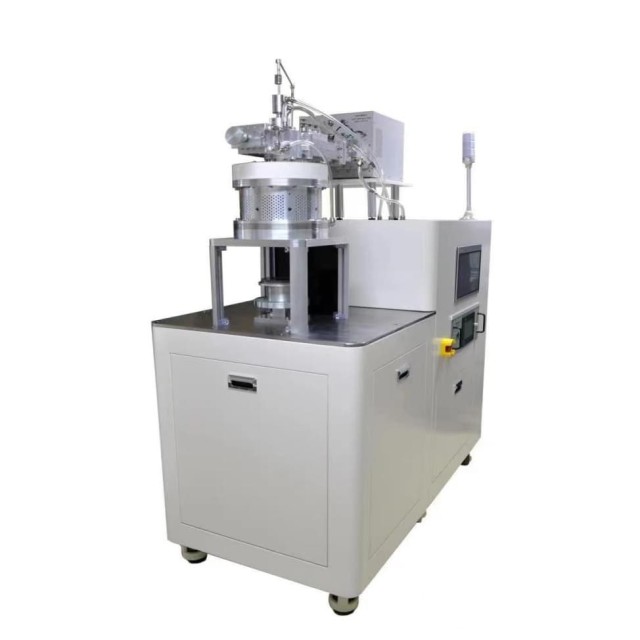
MPCVD
Microwave Plasma Chemical Vapor Deposition MPCVD Machine System Reactor for Lab and Diamond Growth
Item Number : KTMP315
Price varies based on specs and customizations
- Microwave Power
- Microwave frequency 2450±15MHZ
- Output power
- 1~10 KW continuously adjustable
- Microwave leakage
- ≤2MW/cm2
- Output wave guide interface
- WR340, 430 with FD-340, 430 standard flange
- Sample holder
- Diameter of sample table≥70mm, effective use area≥64 mm

Shipping:
Contact us to get shipping details Enjoy On-time Dispatch Guarantee.
Why Choose Us
Easy ordering process, quality products, and dedicated support for your business success.
MPCVD means Microwave Plasma Chemical Vapor Deposition. It grows quality diamond films in labs using carbon gas and microwave plasma.
MPCVD System
MPCVD is a system for depositing thin films onto a substrate using a vacuum chamber, microwave generator, and gas delivery system. A plasma is generated inside the chamber by a magnetron or klystron generating microwaves at 2.45 GHz. The gas delivery system has MFCs calibrated in sccm to control gas flow. The substrate temperature is controlled by the plasma and measured by a thermocouple. The plasma heats the substrate and the temperature is monitored during deposition.
Applications
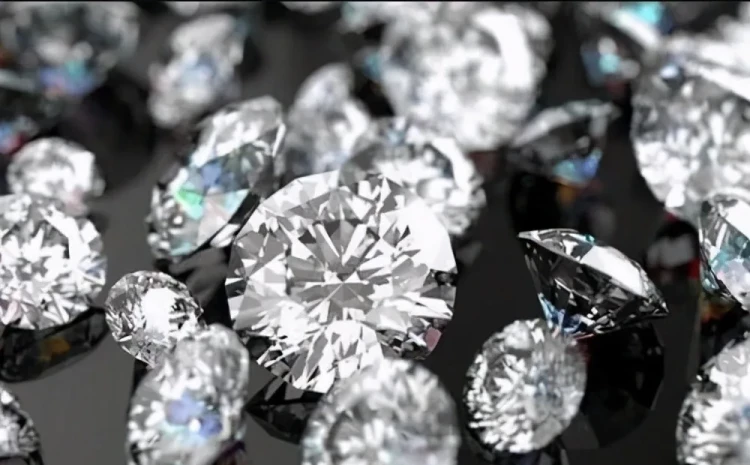
MPCVD shows promise for producing large, high-quality diamonds at a low cost.
Diamond's unique properties, such as hardness, stiffness, high thermal conductivity, low thermal expansion, radiation-hardness, and chemical inertness, make it a valuable material. However, the high cost, limited size, and difficulty controlling impurities of natural and synthetic high-pressure, high-temperature diamonds have limited their applications.
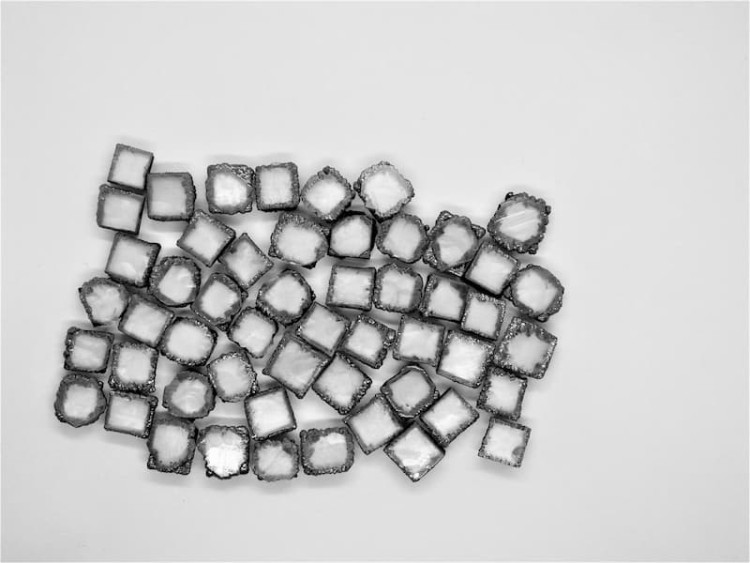
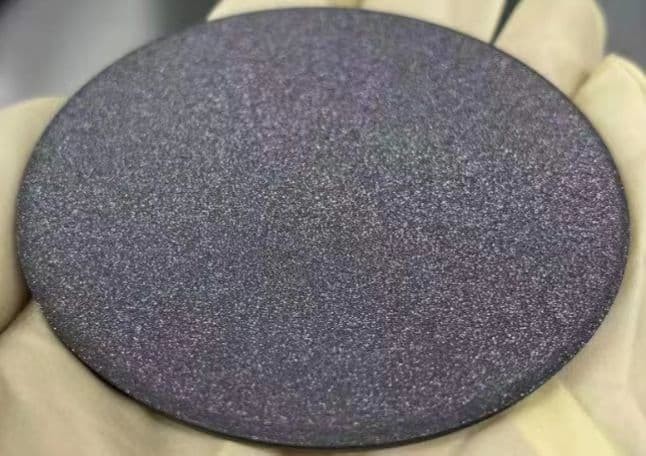
MPCVD is the primary equipment for growing diamond gemstones and films, which can be either monocrystal or poly-crystalline. The semi-conductor industry uses diamond film growth extensively for large-size diamond substrates, as well as the diamond cutting or drilling tools industry.
Compared to the HPHT method for lab-grown diamonds, the microwave CVD method is advantageous for large-sized diamond growth at a lower cost, making it an ideal solution for semi-conductor diamonds, optics diamond growth, and the large jewelry diamond market.
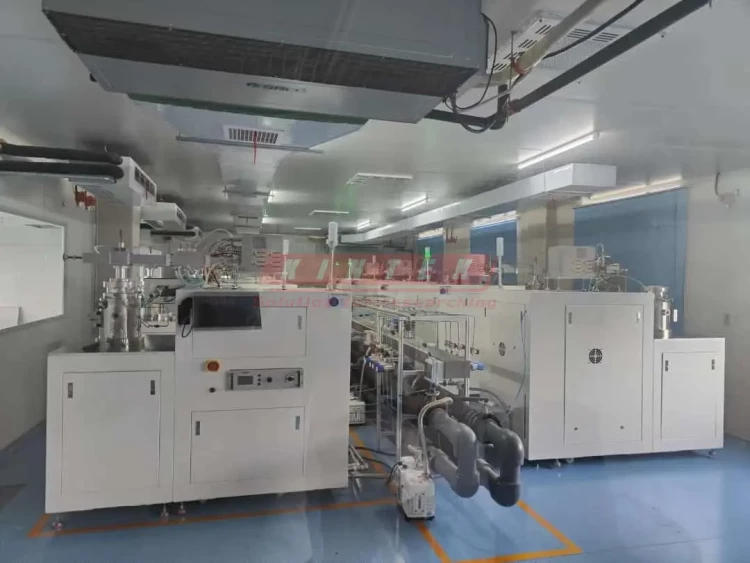
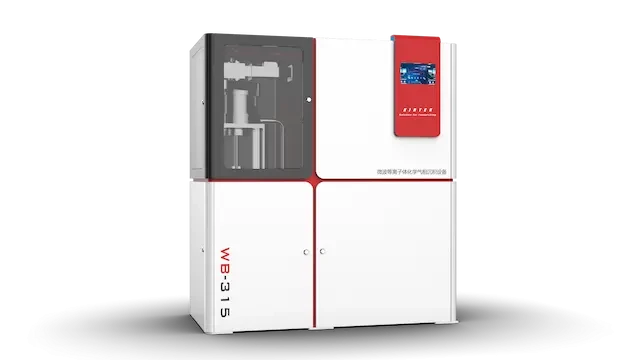
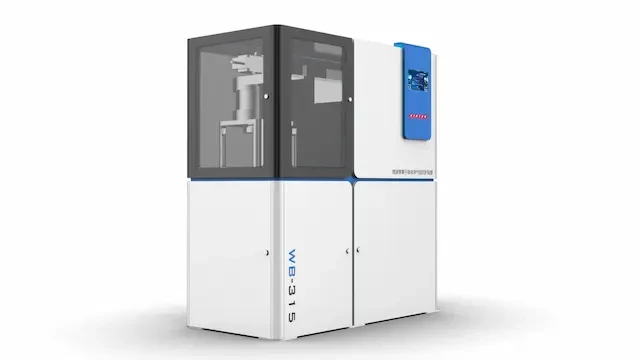

Advantages of MPCVD
MPCVD is a diamond synthesis method with advantages over HFCVD and DC-PJ CVD. It avoids contamination and allows for multiple gases. It offers smooth microwave power adjustment and stable temperature control, avoiding seed crystal loss. MPCVD is promising for industrial applications due to a large, stable plasma area.
MPCVD produces purer diamonds using less energy than HPHT. It also enables production of larger diamonds.
Advantages of Our MPCVD System
We have been deeply involved in the industry for many years, and as a result, we have a vast customer base who trust and use our equipment. Our MPCVD equipment has been running steadily for over 40,000 hours, demonstrating exceptional stability, reliability, repeatability, and cost-effectiveness. More advantages of our MPCVD system include:
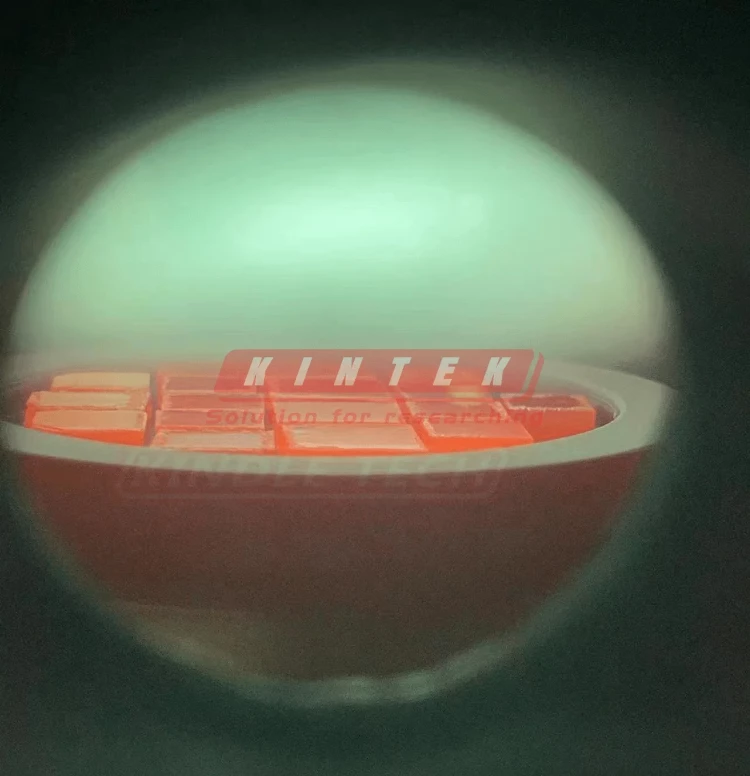
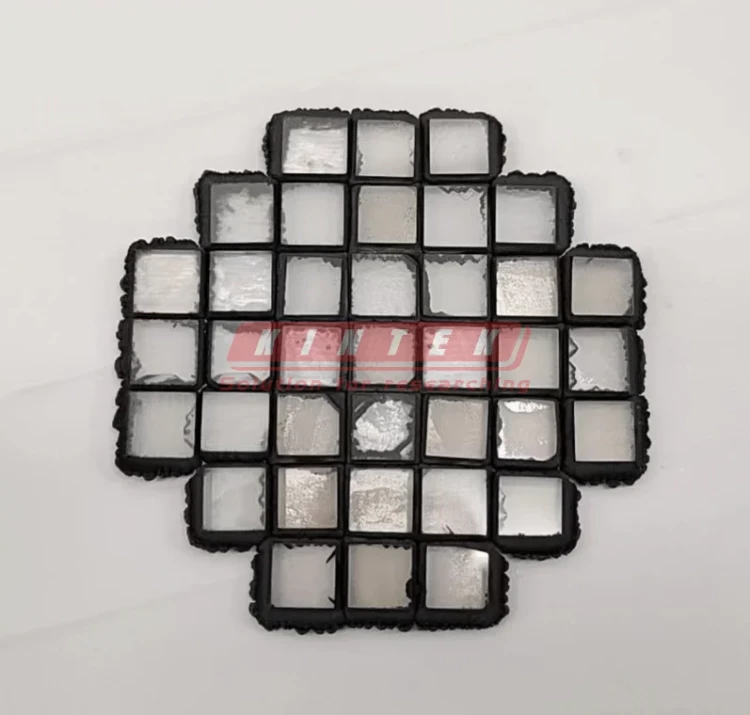
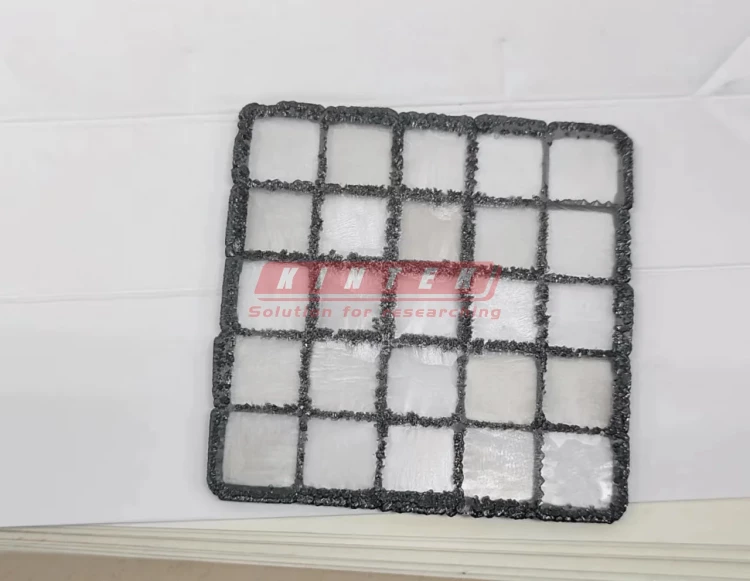
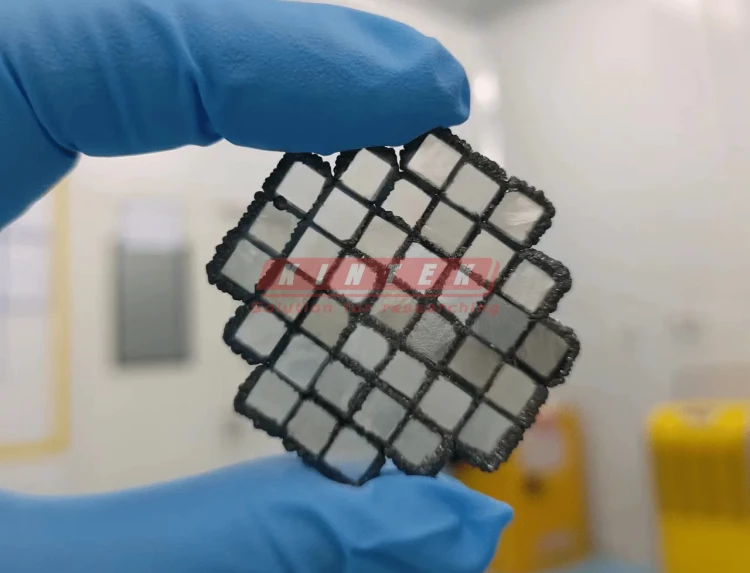
- 3 inches substrate growing area, max. batch load up to 45 pieces diamonds
- 1-10Kw adjustable output microwave power for less electricity consumption
- Rich experienced researching team with frontier diamond growing recipe support
- Exclusive technical support program for Zero diamond growing experience team
By leveraging our accumulated advanced technology, we have implemented multiple rounds of upgrades and improvements to our MPCVD system, resulting in significantly improved efficiency and reduced equipment costs. As a result, our MPCVD equipment is at the forefront of technological advancements and offered at a competitive price. Welcome to consult with us.
Working Processing
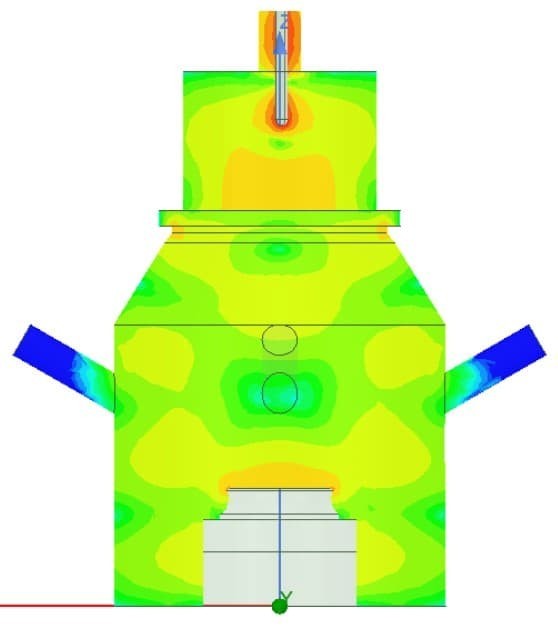
The MPCVD machine controls the flow of each gas path and cavity pressure while introducing reactant gases (such as CH4, H2, Ar, O2, N2, etc.) into the cavity under specific pressure. After stabilizing the airflow, the 6KW solid-state microwave generator generates microwaves that are then introduced into the cavity through the waveguide.
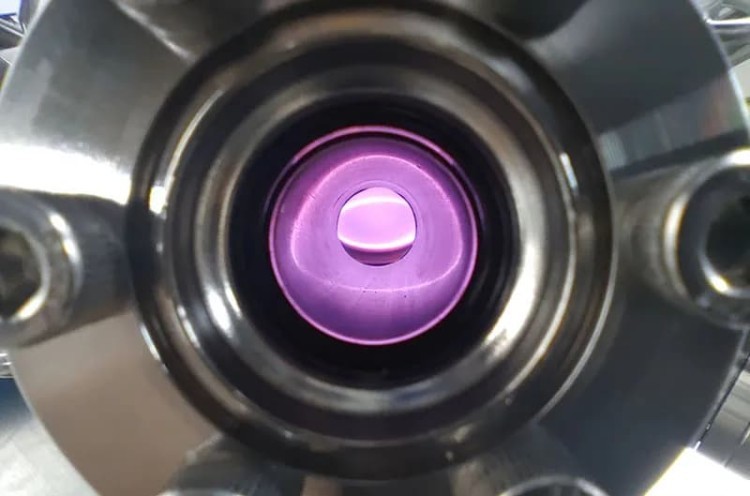
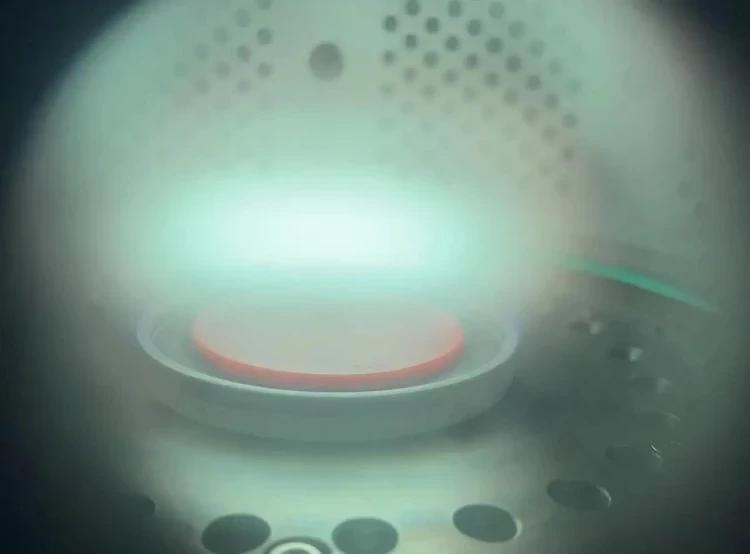
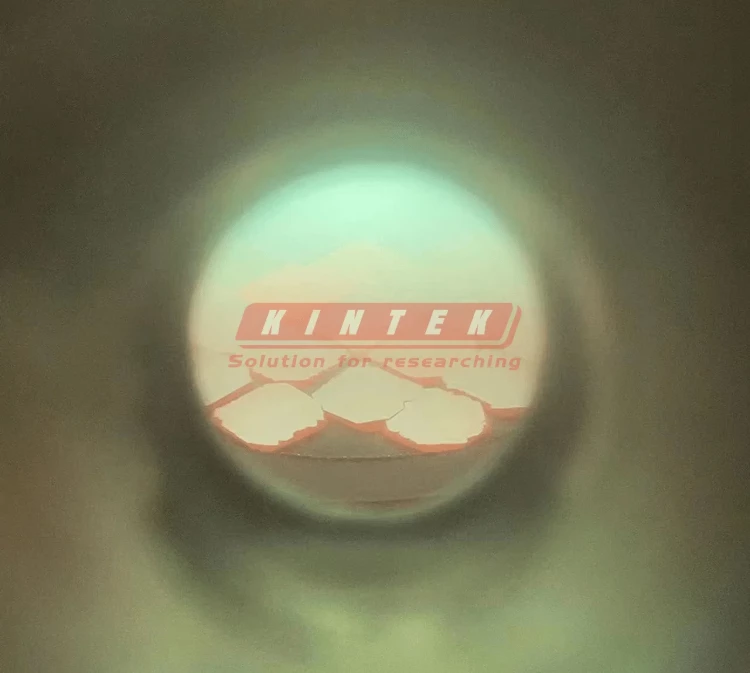
The reaction gas transforms into a plasma state under the microwave field, forming a plasma ball that hovers above the diamond substrate. The high temperature of the plasma heats the substrate to a specific temperature. Excess heat produced in the cavity is dissipated by the water cooling unit.
To ensure optimal growth conditions during the MPCVD single crystal diamond growth process, we adjust factors such as power, gas source composition, and cavity pressure. Furthermore, since the plasma ball doesn't contact the cavity wall, the diamond growth process is free from impurities, thereby enhancing the diamond's quality.
Detail & Parts
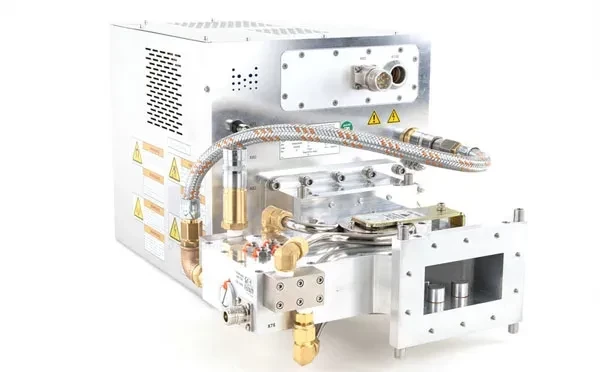
Microwave system
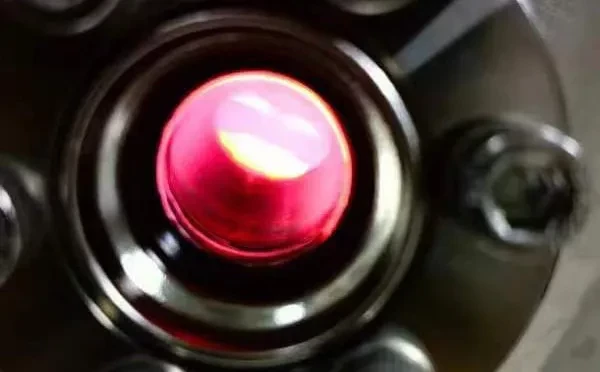
Reaction chamber
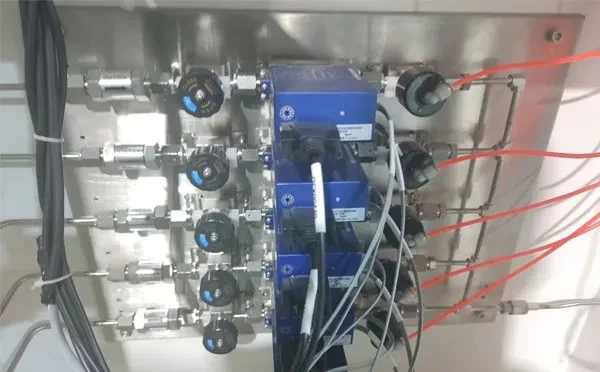
Gas flow system
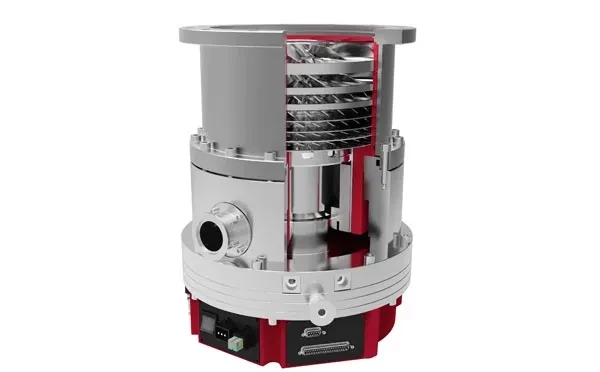
Vacuum and sensor system
Technical specifications
| Microwave system |
|
| Reaction chamber |
|
| Sample holder |
|
| Gas flow system |
|
| Cooling system |
|
| Temperature sensor |
|
| Control system |
|
| Optional function |
|
Warnings
Operator safety is the top important issue! Please operate the equipment with cautions. Working with inflammable& explosive or toxic gases is very dangerous, operators must take all necessary precautions before starting the equipment. Working with positive pressure inside the reactors or chambers is dangerous, operator must fellow the safety procedures strictly. Extra caution must also be taken when operating with air-reactive materials, especially under vacuum. A leak can draw air into the apparatus and cause a violent reaction to occur.
Designed for You
KinTek provide deep custom made service and equipment to worldwide customers, our specialized teamwork and rich experienced engineers are capable to undertake the custom tailoring hardware and software equipment requirements, and help our customer to build up the exclusive and personalized equipment and solution!
Would you please drop your ideas to us, our engineers are ready for you now!
Trusted by Industry Leaders
FAQ
What Is CVD Diamond Machine?
What Types Of Diamond Growth Machines Are Available?
What Is The Basic Principle Of CVD?
How Does A CVD Diamond Machine Work?
What Are The Advantages Of Lab Grown Diamonds?
What Are The Different Types Of CVD Method?
What Are The Advantages Of Using CVD Diamond Machines?
What Is The Price Of CVD Growing Machine?
What Are The Advantages Of Using Chemical Vapor Deposition Machines?
What Considerations Should Be Made When Selecting A CVD Diamond Machine?
What Are The Applications Of Chemical Vapor Deposition Machines?
What Are The Common Applications Of Diamonds Produced By CVD Diamond Machines?
What Factors Should Be Considered When Selecting A Chemical Vapor Deposition Machine?
Can Chemical Vapor Deposition Machines Be Used For Multi-layered Thin Film Deposition?
REQUEST A QUOTE
Our professional team will reply to you within one business day. Please feel free to contact us!
Related Products

Cylindrical Resonator MPCVD Machine System Reactor for Microwave Plasma Chemical Vapor Deposition and Lab Diamond Growth
Learn about Cylindrical Resonator MPCVD Machine, the microwave plasma chemical vapor deposition method used for growing diamond gemstones and films in the jewelry and semi-conductor industries. Discover its cost-effective advantages over traditional HPHT methods.

915MHz MPCVD Diamond Machine Microwave Plasma Chemical Vapor Deposition System Reactor
915MHz MPCVD Diamond Machine and its multi-crystal effective growth, the maximum area can reach 8 inches, the maximum effective growth area of single crystal can reach 5 inches. This equipment is mainly used for the production of large-size polycrystalline diamond films, the growth of long single crystal diamonds, the low-temperature growth of high-quality graphene, and other materials that require energy provided by microwave plasma for growth.
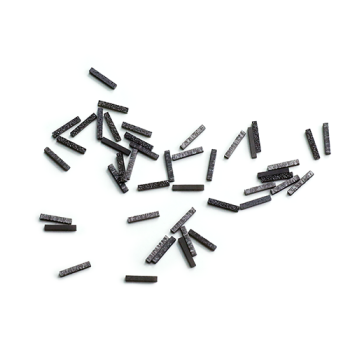
CVD Diamond Dressing Tools for Precision Applications
Experience the Unbeatable Performance of CVD Diamond Dresser Blanks: High Thermal Conductivity, Exceptional Wear Resistance, and Orientation Independence.
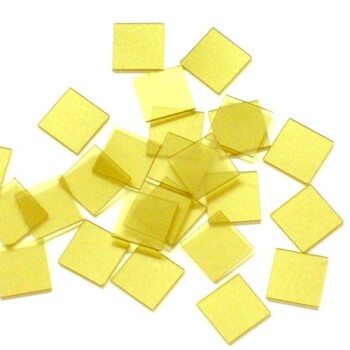
CVD Diamond for Thermal Management Applications
CVD diamond for thermal management: High-quality diamond with thermal conductivity up to 2000 W/mK, ideal for heat spreaders, laser diodes, and GaN on Diamond (GOD) applications.

HFCVD Machine System Equipment for Drawing Die Nano-Diamond Coating
The nano-diamond composite coating drawing die uses cemented carbide (WC-Co) as the substrate, and uses the chemical vapor phase method ( CVD method for short ) to coat the conventional diamond and nano-diamond composite coating on the surface of the inner hole of the mold.
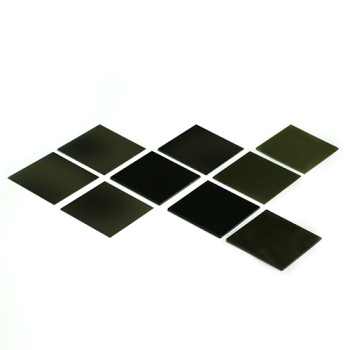
CVD Diamond Cutting Tool Blanks for Precision Machining
CVD Diamond Cutting Tools: Superior Wear Resistance, Low Friction, High Thermal Conductivity for Non-Ferrous Materials, Ceramics, Composites Machining
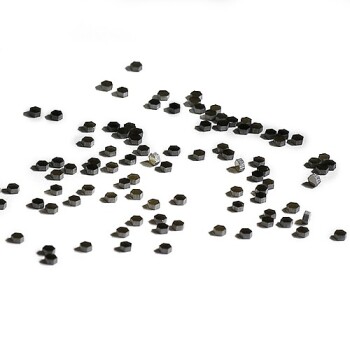
CVD Diamond Wire Drawing Die Blanks for Precision Applications
CVD diamond wire drawing die blanks: superior hardness, abrasion resistance, and applicability in wire drawing various materials. Ideal for abrasive wear machining applications like graphite processing.
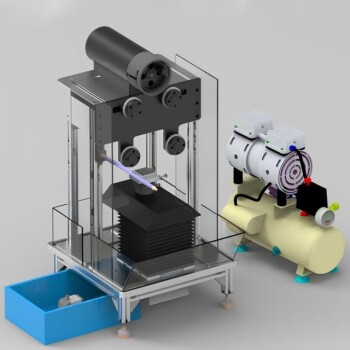
High Precision Diamond Wire Cutting Machine Laboratory Saw Precision Wire EDM Cutting Machine
The high precision diamond wire cutting machine is a versatile and precise cutting tool designed specifically for material researchers. It utilizes a continuous diamond wire cutting mechanism, enabling precise cutting of brittle materials such as ceramics, crystals, glass, metals, rocks, and various other materials.

Laboratory CVD Boron Doped Diamond Materials
CVD boron-doped diamond: A versatile material enabling tailored electrical conductivity, optical transparency, and exceptional thermal properties for applications in electronics, optics, sensing, and quantum technologies.
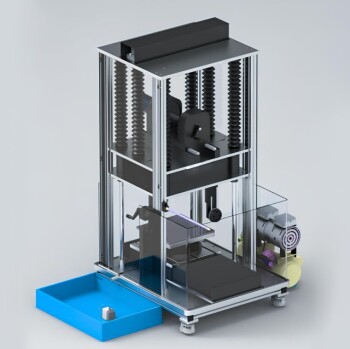
12 Inch 24 Inch High Precision Automatic Diamond Wire Cutting Machine Laboratory Saw Precision Wire EDM Cutting Machine
The high precision automatic diamond wire cutting machine is a versatile cutting tool that uses a diamond wire to cut through a wide range of materials, including conductive and non-conductive materials, ceramics, glass, rocks, gems, jade, meteorites, monocrystalline silicon, silicon carbide, polycrystalline silicon, refractory bricks, epoxy boards, and ferrite bodies. It is especially suitable for cutting various brittle crystals with high hardness, high value, and easy to break.
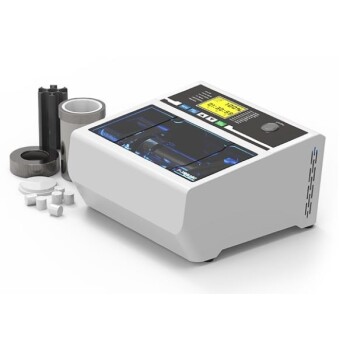
Laboratory Micro Horizontal Jar Mill for Precision Sample Preparation in Research and Analysis
Discover the Micro Horizontal Jar Mill for precise sample preparation in research and analysis. Ideal for XRD, geology, chemistry, and more.
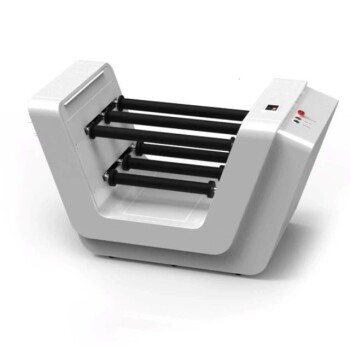
Laboratory Ten-Body Horizontal Jar Mill for Lab Use
The Ten-body horizontal jar mill is for 10 ball mill pots (3000ml or less). It has frequency conversion control, rubber roller movement, and PE protective cover.

High-Energy Omnidirectional Planetary Ball Mill Milling Machine for Laboratory
The KT-P4000E is a new product derived from the vertical high-energy planetary ball mill with a 360° swivel function. Experience faster, uniform, and smaller sample output results with 4 ≤1000ml ball mill jars.

Laboratory Single Horizontal Jar Mill
KT-JM3000 is a mixing and grinding instrument for placing a ball milling tank with a volume of 3000ml or less. It adopts frequency conversion control to realize timing, constant speed, direction change, overload protection and other functions.
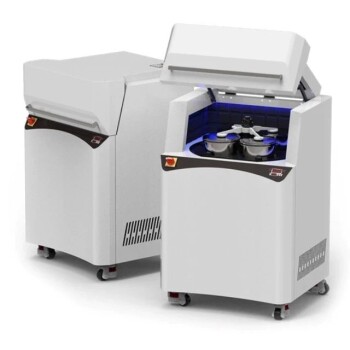
Disc Cup Vibrating Mill Multi-Platform for Lab
The multi-platform vibrating disc mill is suitable for non-destructive crushing and fine grinding of samples with large particle sizes. It is suitable for crushing and grinding applications of medium-hard, high-hard, brittle, fibrous, and elastic materials.
Related Articles

Progress in Microwave Plasma Chemical Vapor Deposition for Large-Size Single Crystal Diamond Preparation
This article discusses the advancements and challenges in preparing large-size single-crystal diamonds using microwave plasma chemical vapor deposition (MPCVD) techniques.
A beginner's guide to MPCVD machines
MPCVD (Microwave Plasma Chemical Vapor Deposition) is a process used to deposit thin films of material onto a substrate using plasma generated by microwaves.
Understanding MPCVD: A Comprehensive Guide to Microwave Plasma Chemical Vapor Deposition
An in-depth exploration of MPCVD technology, its components, advantages, and factors affecting film growth.
How to Achieve High Quality Single-Crystal Diamond with MPCVD
Microwave plasma chemical vapor deposition (MPCVD) is a popular technique for producing high-quality single-crystal diamond.
MPCVD Cultured Diamond Revolutionizes the Industry
Explores the impact of MPCVD cultured diamonds on various industries and strategies for cost reduction and efficiency improvement.
A Comprehensive Guide to MPCVD: Diamond Synthesis and Applications
Explore the fundamentals, advantages, and applications of Microwave Plasma Chemical Vapor Deposition (MPCVD) in diamond synthesis. Learn about its unique capabilities and how it compares to other diamond growth methods.
The Process of Fabricating a CVD Diamond By MPCVD Machine
CVD diamond machines have gained significant importance in various industries and scientific research.
The Advancements in MPCVD Systems for Large Size Single Crystal Diamonds
Advancements in MPCVD systems have enabled the production of larger and higher quality single-crystal diamonds, offering promising potential for future applications.
Advantages, Limitations, and Process Control of Chemical Vapor Deposition (CVD) Technology
Explores the benefits, constraints, and process management of CVD technology for surface coatings.
Comparing Chemical Vapor Deposition and Physical Vapor Deposition
Chemical Vapor Deposition (CVD) VS Physical Vapor Deposition (PVD)
In-Depth Examination of Chemical Vapor Deposition (CVD) Coatings
A comprehensive exploration of CVD technology, its principles, characteristics, classifications, new advancements, and applications in various fields.
Comprehensive Overview of 12 Types of Chemical Vapor Deposition (CVD) Techniques
Explore the diverse methods of CVD, from plasma-enhanced to ultra-high vacuum, and their applications in semiconductor and material science.