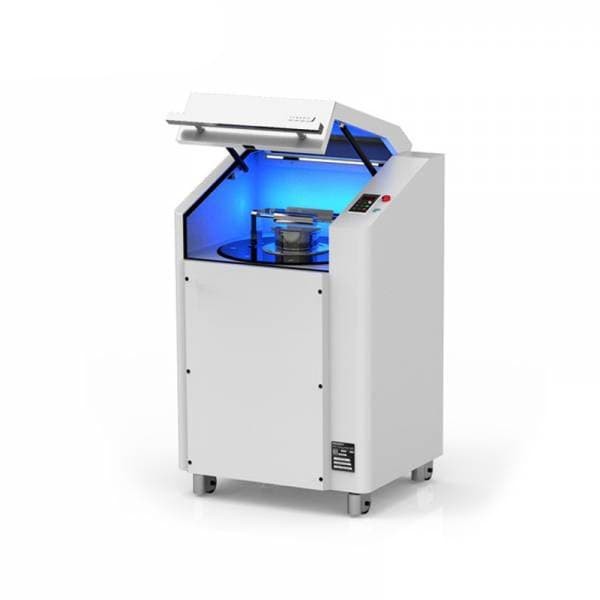
Milling Equipment
Lab Vibration Mill
Item Number : KT-VMS
Price varies based on specs and customizations
- Materials input size
- < 15 mm
- Materials output size
- 0.1-20 um
- Processing volume
- 250 / 500 ml
- Disc panspeed
- 1500 r/min

Shipping:
Contact us to get shipping details Enjoy On-time Dispatch Guarantee.
Why Choose Us
Easy ordering process, quality products, and dedicated support for your business success.
Introduction
Vibration mill is suitable for non-destructive crushing and fine grinding of larger particle size samples, and quickly prepares samples with analytical fineness and purity. It is suitable for the crushing and crushing of medium-hard, high-hardness, brittleness, fibrous, and elastic materials.
Grinding applications, support dry grinding, wet grinding, cryogenic grinding, vacuum or inert gas protection grinding; the sample loaded in the grinding disc kit is squeezed, collided, and rubbed under the action of high-speed circular motion, and it can be completed in 3-5 minutes The sample size varies from 15mm to 20 microns in a large span, and can fully guarantee the purity of the sample.
Applications
Vibration milling, a process that leverages mechanical vibrations and impact forces, is extensively utilized across multiple industries for material processing and synthesis. This technique is particularly effective in breaking down materials into smaller particles, facilitating a variety of applications. Here are the main application areas of vibration mills:
- Material Processing: Vibration mills are commonly employed in industries such as pharmaceuticals, cosmetics, and food for breaking down materials into fine particles. This process enhances the usability and effectiveness of the materials in various formulations.
- Synthesis of Nanoparticles: These mills play a crucial role in the synthesis of nanoparticles, where they are used to produce particles of metals, ceramics, and polymers with controlled size and shape, essential for advanced materials and technologies.
- Production of Advanced Materials: Vibration mills are integral in the production of advanced materials used in electronics, ceramics, chemicals, and the powdered metals industry. They are particularly useful for milling materials like tungsten, calcium carbide, and various compounds used in magnetic materials and high-frequency ceramics.
- Versatility in Milling: The laboratory vibratory ball mill, with its adaptable design and options for different tank linings (stainless steel, ceramic, zirconia, etc.), ensures suitability for both dry and wet milling processes, making it a versatile tool in laboratory settings.
- High-Efficiency Powder Making: Known for its high efficiency, the vibratory mill is available in single, double, and triple cylinder configurations, offering flexibility in operations and enhancing the production of fine powders required in various industrial applications.
Detail & Parts
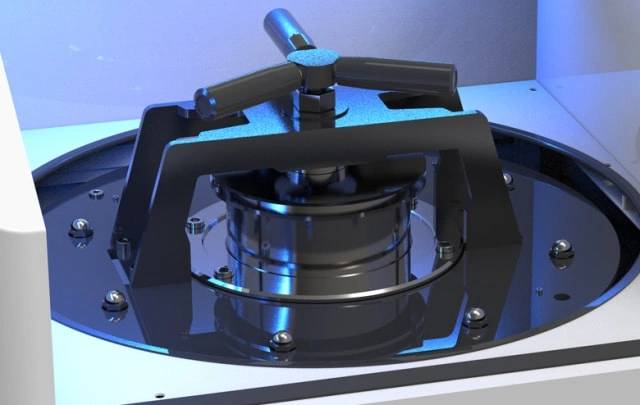
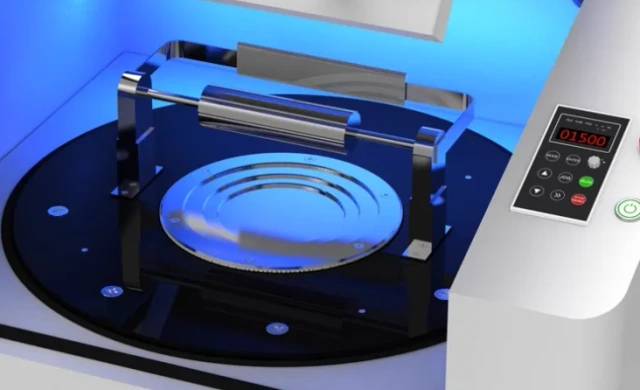
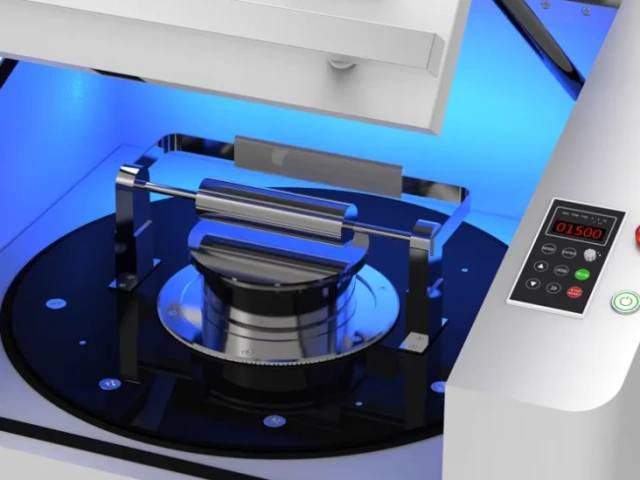
Features
The Laboratory Vibratory Ball Mill is a versatile and efficient powder making equipment designed to crush brittle and fibrous materials to a high degree of fineness. It offers a range of benefits that make it an essential tool in various industries, including electronics, ceramics, chemicals, and pharmaceuticals. Here are the key features and their benefits:
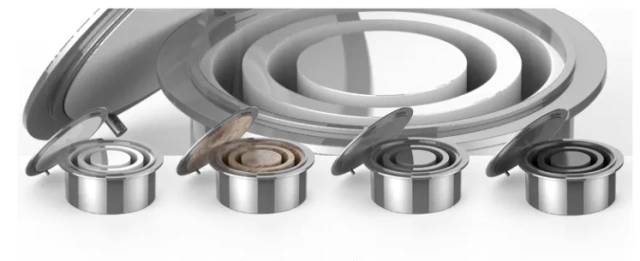
- Exchangeable Grinding Barrels: This feature allows for the customization of the milling process to suit different materials and fineness requirements. The ability to change barrels ensures that each material is processed optimally, enhancing the quality of the final product.
- Impact and Friction Reduction: The mill operates by using impact and friction inside vibrating grinding barrels filled with freely moving grinding balls. This method ensures a thorough and efficient reduction of material size, leading to a more uniform and fine powder.
- Versatile Material Processing: Capable of handling a wide range of materials including metals, ceramics, polymers, and composites, the vibratory mill is ideal for laboratories and industries that require flexibility in their milling processes.
- Reduced Contamination: With a closed container design, the mill minimizes contamination from external sources, ensuring the purity of the processed materials. This is particularly important in industries where contamination can affect the quality and performance of the final product.
- Special Options for Tank Lining: The ability to line the tank with materials such as stainless steel, ceramic, zirconia, nylon, PTFE, or rubber enhances the mill's adaptability to various materials and processing conditions, ensuring compatibility and safety.
- Efficient and Reliable Operation: Designed for both dry and wet ball milling, the laboratory vibratory mill is easy to operate, clean, and maintain, making it a reliable choice for continuous and high-volume processing needs.
These features not only enhance the functionality of the Laboratory Vibratory Ball Mill but also ensure that it meets the diverse needs of various industries, providing a high-quality and efficient solution for material size reduction.
Advantages
Vibration milling offers numerous advantages that make it a preferred choice for material processing and synthesis across various industries. Key benefits include:
- Reduced Contamination: Unlike other milling processes, vibration milling significantly minimizes contamination. This is achieved through the use of a closed container system that safeguards the material from external contaminants, ensuring purity and quality of the final product.
- Versatility: This milling technique is highly versatile, capable of handling a wide array of materials such as metals, ceramics, polymers, and composites. It can also produce particles with varying shapes, sizes, and structures, making it adaptable to diverse industrial needs.
- High Processing Capacity: With a filling capacity of up to 80% in the grinding cylinder, vibration mills outperform traditional ball mills in terms of processing capacity. This high efficiency leads to increased productivity and cost-effectiveness.
- Adjustability and Customization: The process parameters like amplitude, frequency, media, and ratio can be easily adjusted to produce different sizes of products. Additionally, these mills can be specially customized according to specific requirements, enhancing their utility in specialized applications.
- Temperature Control: Vibrating mills equipped with jacketed grinding cylinders allow for temperature adjustments during the grinding process, which is crucial for materials sensitive to heat.
- Continuous Production Capability: With integrated sieves and collection devices, these mills can facilitate continuous production, improving workflow and output.
- Operational Ease and Reliability: Vibration mills are designed for simple and convenient operation, ensuring reliable performance and easy maintenance. Their adaptability to various working conditions and ease of cleaning further enhance their operational efficiency.
- Dual Mode Operation: These mills support both dry and wet ball milling, providing flexibility in processing techniques.
- Compact and Efficient Design: Despite their high efficiency, vibration mills are lightweight and compact, saving space and energy while delivering superior grinding results.
These advantages collectively highlight the effectiveness and adaptability of vibration mills in meeting the rigorous demands of modern material processing and synthesis.
Functions
- Continuous and intermittent operation
- Emergency stop
- Timing
- Power failure memory
- Overload and dangerous operation protection
Technical specifications
| Grinding principle | Impact & friction force |
| Suitable materials | Small and medium-low hardness; brittle; dry or wet |
| Materials input size | < 15 mm |
| Materials output size | 0.1-20 um |
| Processing volume | 250 / 500ml |
| Disc panspeed | 1500 r/min |
| Grinding panmaterial | Tungsten carbide;Ceramic; Agate; Stainless steel; Harden steel; Nylon, etc. |
| Motor power | 550/750W |
| Net weight | 218/228kg |
| Dimensions | L780*W700*H1220 mm |
| Protection level | IP65 |
| Quality standards | CE |
Warnings
Operator safety is the top important issue! Please operate the equipment with cautions. Working with inflammable& explosive or toxic gases is very dangerous, operators must take all necessary precautions before starting the equipment. Working with positive pressure inside the reactors or chambers is dangerous, operator must fellow the safety procedures strictly. Extra caution must also be taken when operating with air-reactive materials, especially under vacuum. A leak can draw air into the apparatus and cause a violent reaction to occur.
Designed for You
KinTek provide deep custom made service and equipment to worldwide customers, our specialized teamwork and rich experienced engineers are capable to undertake the custom tailoring hardware and software equipment requirements, and help our customer to build up the exclusive and personalized equipment and solution!
Would you please drop your ideas to us, our engineers are ready for you now!
Trusted by Industry Leaders
FAQ
What Is A Laboratory Crusher Used For?
How Does A Laboratory Crusher Work?
What Are The Main Features Of A Laboratory Jaw Crusher?
What Is The Working Principle Of A Laboratory Jaw Crusher?
What Are The Advantages Of Using A Laboratory Crusher?
REQUEST A QUOTE
Our professional team will reply to you within one business day. Please feel free to contact us!
Related Products

Vibrating Disc Mill Small Laboratory Grinding Machine
Discover the versatile Vibrating Disc Mill for efficient laboratory grinding. Ideal for geology, metallurgy, biology, and more. Explore now!

Laboratory Disc Cup Vibratory Mill for Sample Grinding
The vibrating disc mill is suitable for non-destructive crushing and fine grinding of samples with large particle sizes, and can quickly prepare samples with analytical fineness and purity.
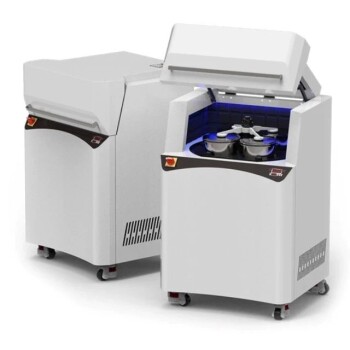
Disc Cup Vibrating Mill Multi-Platform for Lab
The multi-platform vibrating disc mill is suitable for non-destructive crushing and fine grinding of samples with large particle sizes. It is suitable for crushing and grinding applications of medium-hard, high-hard, brittle, fibrous, and elastic materials.

Hybrid High Energy Vibratory Ball Mill for Lab Use
KT-BM400 is used for rapid grinding or mixing of dry, wet and frozen small amount of samples in the laboratory. It can be configured with two 50ml ball mill jars

High Energy Vibratory Ball Mill for Lab Use
The high-energy vibrating ball mill is a high-energy oscillating and impacting multifunctional laboratory ball mill. The table-top type is easy to operate, small in size, comfortable and safe.

High Energy Vibratory Laboratory Ball Mill Double Tank Type
High-energy vibration ball mill is a small desktop laboratory grinding instrument. It uses 1700r/min high-frequency three-dimensional vibration to make the sample achieve the result of grinding or mixing.

High Energy Vibratory Laboratory Ball Mill Grinding Mill Single Tank Type
High-energy vibration ball mill is a small desktop laboratory grinding instrument.It can be ball-milled or mixed with different particle sizes and materials by dry and wet methods.

Laboratory Vibratory Sieve Shaker Machine for Dry and Wet Three-Dimensional Sieving
KT-VD200 can be used for sieving tasks of dry and wet samples in the laboratory. The screening quality is 20g-3kg. The product is designed with a unique mechanical structure and an electromagnetic vibrating body with a vibration frequency of 3000 times per minute.

Laboratory Vibratory Sieve Shaker Machine Slap Vibrating Sieve
KT-T200TAP is a slapping and oscillating sieving instrument for laboratory desktop use, with 300 rpm horizontal circular motion and 300 vertical slapping motions to simulate manual sieving to help sample particles pass through better.

Laboratory Test Sieves and Vibratory Sieve Shaker Machine
Efficiently process powders, granules, and small blocks with a high-frequency vibration sieve. Control vibration frequency, screen continuously or intermittently, and achieve accurate particle size determination, separation, and classification.
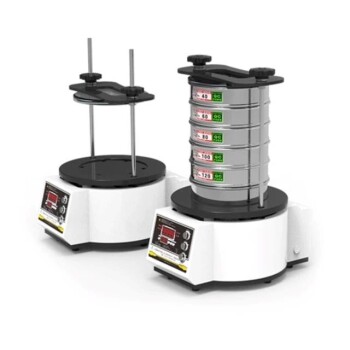
Vibratory Sieve Shaker Machine Dry Three-Dimensional Vibrating Sieve
The KT-V200 product focuses on solving common sieving tasks in the laboratory. It is suitable for sieving 20g-3kg dry samples.
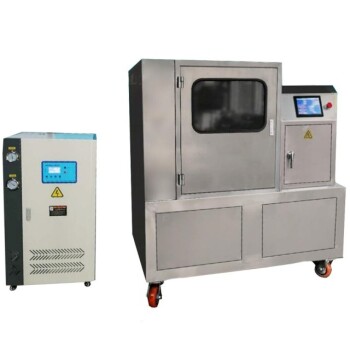
Low-Temperature Water-Cooled Touchscreen Vibratory Ultrafine Pulverizer
Low-temperature water-cooled vibratory pulverizer for ultrafine grinding. Preserves material integrity. Ideal for labs and production. Learn more.

Laboratory Wet Three-Dimensional Vibratory Sieve Shaker Machine
The wet three-dimensional vibrating sieving instrument focuses on solving the sieving tasks of dry and wet samples in the laboratory. It is suitable for sieving 20g - 3kg dry, wet or liquid samples.

Mini Planetary Ball Mill Machine for Laboratory Milling
Discover the KT-P400 desktop planetary ball mill, ideal for grinding and mixing small samples in the lab. Enjoy stable performance, long service life, and practicality. Functions include timing and overload protection.

Laboratory Planetary Ball Mill Rotating Ball Milling Machine
KT-P400E is a desktop multi-directional planetary ball mill with unique grinding and mixing capabilities. It offers continuous and intermittent operation, timing, and overload protection, making it ideal for various applications.

Laboratory Ball Mill Jar Mill with Metal Alloy Grinding Jar and Balls
Grind and mill with ease using metal alloy grinding jars with balls. Choose from 304/316L stainless steel or tungsten carbide and optional liner materials. Compatible with various mills and features optional functions.

Laboratory Four-Body Horizontal Jar Mill
The four-body horizontal tank mill ball mill can be used with four horizontal ball mill tanks with a volume of 3000ml. It is mostly used for mixing and grinding laboratory samples.
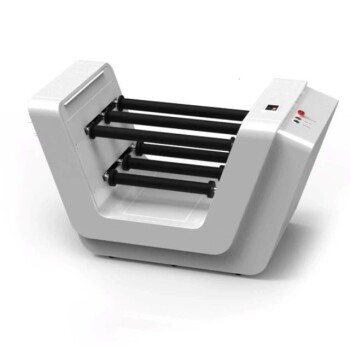
Laboratory Ten-Body Horizontal Jar Mill for Lab Use
The Ten-body horizontal jar mill is for 10 ball mill pots (3000ml or less). It has frequency conversion control, rubber roller movement, and PE protective cover.

Laboratory Horizontal Planetary Ball Mill Milling Machine
Improve sample uniformity with our Horizontal Planetary Ball Mills. KT-P400H reduces sample deposition and KT-P400E has multi-directional capabilities. Safe, convenient and efficient with overload protection.

Laboratory Single Horizontal Jar Mill
KT-JM3000 is a mixing and grinding instrument for placing a ball milling tank with a volume of 3000ml or less. It adopts frequency conversion control to realize timing, constant speed, direction change, overload protection and other functions.
Related Articles

Features of Different Laboratory Mills: An Overview
Laboratory mills are specialized machines used to reduce non-homogenous batch samples into smaller, representative samples that are more uniform in composition.

Disc / Cup Vibratory Mill: A Comprehensive Guide to Its Functions and Applications
Discover the world of Disc / Cup Vibratory Mills with our in-depth guide. Learn about their working principles, applications, advantages, and key features. Explore the various types of vibratory mills and their suitability for different industries.

Disc / Cup Vibratory Mill: A Comprehensive Guide for Laboratory Experts
Discover the world of Disc / Cup Vibratory Mills! This comprehensive guide provides an in-depth understanding of their types, working principles, advantages, and applications in various industries, including pharmaceuticals, chemicals, and food processing.
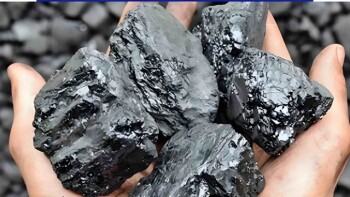
What is a Laboratory Crusher Used For?
Discover the uses and working mechanism of laboratory crushers. Explore various types of crushing equipment and their applications. Learn how laboratory crushers play a crucial role in scientific analysis and environmental studies.

Disc / Cup Vibratory Mill: A Comprehensive Guide to Grinding Equipment
Discover the world of Disc / Cup Vibratory Mills! This guide covers everything from types and features to applications and benefits. Explore the versatility of these mills for grinding various materials in industries like pharmaceuticals, food, and chemicals.
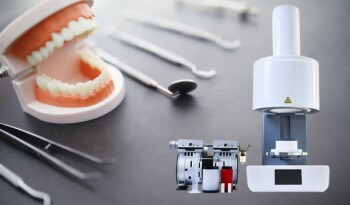
Major Equipment in a Dental Laboratory
Overview of essential dental lab equipment including casting, porcelain, polishing, and more.
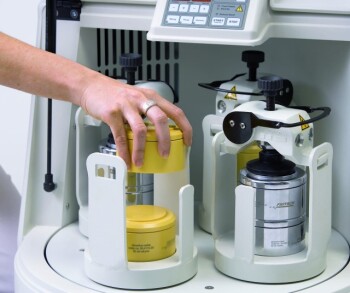
Advantages of Planetary Ball Mill in Laboratory Applications
Discover the advantages of using planetary ball mills in laboratory settings. Learn about its ability to produce fine powder, suitability for toxic materials, wide range of applications, continuous operation, and usage for milling abrasive materials. Explore how planetary ball mills differ from traditional milling machines and their function in creating ultrafine and nano-sized materials.

Planetary Ball Mills: Research Tools for Efficient Mixing and Nanoscale Grinding
Planetary ball mills are indispensable tools in modern laboratories, serving a crucial role in the mixing, fine grinding, and preparation of small samples. These mills are particularly adept at dispersing nanomaterials and facilitating the development and small-scale production of high-tech materials.
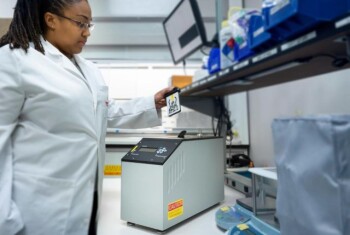
Maximizing Grinding Efficiency: The Power of Planetary Ball Mills
Discover why planetary ball mills offer higher grinding efficiency than ordinary ball mills. Learn about the technology behind their high-performance all-round capabilities. Find out the key factors influencing the productivity and specific energy consumption of ball mills.
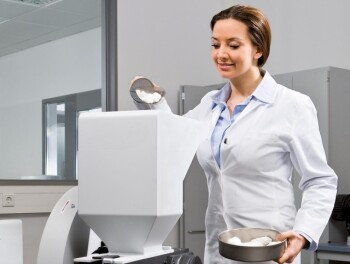
The Three Stages of Lab Crushing: A Comprehensive Guide
Learn about the three stages of crushing: primary, secondary, and tertiary, and how they are used in sample preparation for scientific analysis. Discover the different types of crushers and their applications in reducing bulky materials into smaller particles.
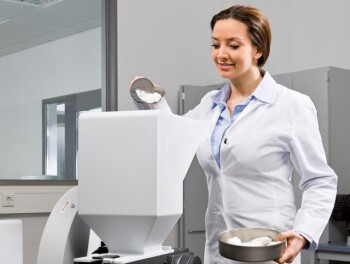
Laboratory Crushers: A Comprehensive Guide to Their Uses and Functionality
Laboratory crushers play a crucial role in scientific research and analysis. These crushers, commonly known as jaw crushers, are indispensable in obtaining accurate and consistent results for sample preparation.

The Ultimate Guide to the Application and Benefits of Vibratory Sieve Shaker in Laboratory Testing
Discover the extensive application of vibratory sieve shaker in laboratory testing for industries such as food, medicine, chemical, and more. Learn about the benefits of using a sieve shaker.