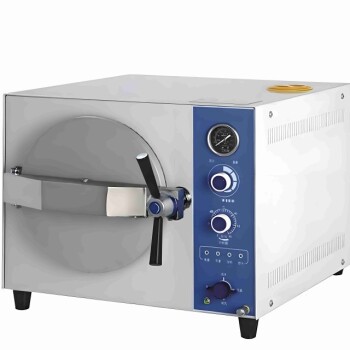
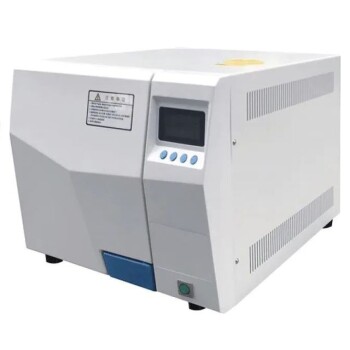
The operational synergy of high-pressure autoclaves and supported noble metal nanocatalysts centers on combining extreme physical conditions with high-efficiency chemical surface reactions. The autoclave establishes a controlled environment with temperatures exceeding 150°C and pressures reaching up to 15 MPa. Inside this vessel, nanocatalysts utilize their immense surface area to accelerate the oxidation of pollutants or the conversion of biomass materials.
This technology pairs the aggressive physical environment of a high-pressure vessel with the chemical precision of noble metal catalysts. By operating at elevated temperatures and pressures, the system maximizes the reactivity of surface-active nanoparticles to break down persistent environmental pollutants or synthesize value-added chemicals.
The Role of the High-Pressure Autoclave
Creating the Reaction Environment
The primary function of the autoclave is to maintain a stable, high-energy environment necessary for difficult chemical transformations.
Standard atmospheric conditions are often insufficient to break down complex organic pollutants or robust biomass structures.
Achieving Critical Thresholds
The autoclave operates at temperatures exceeding 150°C.
Simultaneously, it maintains pressures up to 15 MPa, which keeps aqueous solutions in the liquid phase even at high temperatures and increases the solubility of oxidizing gases.
The Function of Supported Nanocatalysts
Maximizing Surface Area
The chemical work is performed by noble metal nanocatalysts, such as Palladium (Pd) or Platinum (Pt).
Because these metals are expensive, they are dispersed as nanoparticles to maximize their active surface area relative to their volume.
This high surface-to-volume ratio creates more contact points for reactants, significantly accelerating the reaction rate.
Strategic Material Selection
These active metals are anchored onto robust support materials, specifically Titanium Dioxide (TiO2) or Zirconium Dioxide (ZrO2).
The support material stabilizes the nanoparticles, preventing them from aggregating and losing efficiency under the autoclave's harsh conditions.
Key Applications in Environmental Hydrometallurgy
Wastewater Purification
The primary environmental application is the treatment of wastewater containing ammonia or organic pollutants.
The combination of heat, pressure, and catalysis drives the complete oxidation of these hazardous substances.
The end result is the conversion of toxic inputs into harmless gases, effectively detoxifying the water stream.
Biomass Valorization
Beyond waste destruction, this system serves a productive role in resource recovery.
It is used to convert biomass derivatives into high-value chemical products.
The catalyst ensures specific chemical pathways are followed, turning raw biological material into usable industrial inputs.
Understanding the Trade-offs
Operational Intensity
While effective, utilizing pressures up to 15 MPa requires robust, expensive infrastructure and rigorous safety protocols.
Maintaining temperatures over 150°C also demands significant energy input, which must be weighed against the value of the treated product or the environmental benefit.
Material Costs
The reliance on noble metals like Platinum and Palladium introduces high capital costs.
While the support structures (TiO2, ZrO2) help extend the life of these metals, the catalyst remains a significant investment that requires efficient recovery or long lifespans to be economically viable.
Making the Right Choice for Your Goal
When evaluating this technology for your specific environmental challenges, consider your primary objective:
- If your primary focus is hazardous waste elimination: Prioritize the oxidation efficiency of the system to ensure pollutants are fully converted into harmless gases.
- If your primary focus is sustainable chemical production: Focus on the selectivity of the catalyst to maximize the yield of high-value products from biomass derivatives.
The integration of high-pressure thermal processing with advanced nanocatalysis represents a definitive solution for converting difficult environmental streams into benign or valuable outputs.
Summary Table:
| Feature | Role in System | Key Parameters/Materials |
|---|---|---|
| High-Pressure Autoclave | Creates high-energy reaction environment | Temp >150°C, Pressure up to 15 MPa |
| Noble Metal Nanoparticles | Accelerates chemical surface reactions | Palladium (Pd), Platinum (Pt) |
| Support Materials | Prevents catalyst aggregation | Titanium Dioxide (TiO2), Zirconium Dioxide (ZrO2) |
| Core Applications | Pollutant degradation & resource recovery | Wastewater purification, Biomass valorization |
Elevate Your Environmental Research with KINTEK
Facing challenges with persistent pollutants or complex biomass conversion? KINTEK specializes in precision-engineered laboratory solutions designed for the most demanding chemical processes. We provide industry-leading high-temperature high-pressure reactors and autoclaves, essential for maintaining the critical thresholds required in environmental hydrometallurgy.
Our extensive portfolio also includes crushing and milling systems, electrolytic cells, and a wide range of ceramics and crucibles to support your catalyst research and development. Whether you are scaling up wastewater treatment or optimizing biomass valorization, KINTEK delivers the durability and precision your lab needs to succeed.
Ready to optimize your reaction efficiency? Contact our experts today to find the perfect equipment for your high-pressure applications!
References
- Srečko Stopić, Bernd Friedrich. Pressure hydrometallurgy: A new chance to non-polluting processes. DOI: 10.5937/vojtehg1103029s
This article is also based on technical information from Kintek Solution Knowledge Base .
Related Products
- Mini SS High Pressure Autoclave Reactor for Laboratory Use
- High Pressure Laboratory Autoclave Reactor for Hydrothermal Synthesis
- Stainless High Pressure Autoclave Reactor Laboratory Pressure Reactor
- Desktop Fast High Pressure Laboratory Autoclave Sterilizer 16L 24L for Lab Use
- Laboratory High Pressure Horizontal Autoclave Steam Sterilizer for Lab Use
People Also Ask
- Why use high-pressure reactors for molecular sieve synthesis? Unlock Superior Crystallinity and Framework Control
- What is the function of a high-pressure reactor autoclave? Enhancing Cu/N Co-Doped Carbon Catalyst Synthesis
- Why are high-pressure reactors or autoclaves necessary for the synthesis of new functional materials? Unlock Precision.
- What are the advantages of using a high-pressure reactor like an autoclave? Maximize Liquefaction Speed & Yield
- How are high-pressure reactors used to prepare metaphosphate electrocatalysts? Master In-Situ Precursor Growth