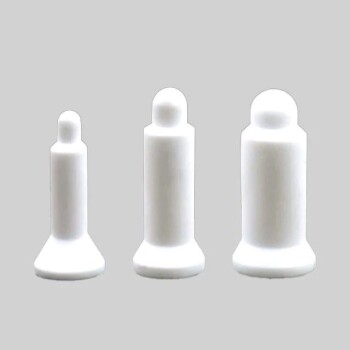
High-purity alumina washers function primarily as a high-performance electrical insulator within electrochemical test assemblies. They create a physical and electrical barrier that isolates the alloy specimen—functioning as the working electrode—from the autoclave body and the metallic bolt assemblies used to secure it.
Core Takeaway In the extreme environment of supercritical water, accurate data depends entirely on signal isolation. These washers prevent stray currents and electrical leakage, ensuring that the recorded electrochemical signals originate solely from the reaction between the specimen and the water, rather than the test equipment itself.
The Mechanics of Electrical Isolation
Separating Components
The fundamental role of the alumina washer is to break the electrical continuity in the test setup.
It is strategically placed between the alloy specimen and the conductive components of the testing rig, such as the autoclave walls or mounting bolts.
Defining the Working Electrode
In this setup, the alloy specimen serves as the working electrode.
For the experiment to be valid, this electrode must be electrically distinct from the rest of the machinery. The alumina washer guarantees this distinction remains intact under pressure.
Ensuring Data Integrity
Preventing Stray Currents
Without high-purity insulation, electrical current could leak from the specimen into the autoclave body.
These stray currents would contaminate the data, making it impossible to distinguish between the behavior of the specimen and the electrical noise of the rig.
Isolating the Interface Reaction
The goal of the research is to analyze the reaction specifically at the interface of the specimen and the supercritical water.
By blocking external electrical paths, the washer forces the electrochemical analysis system to capture signals only from this specific chemical interaction.
Accuracy in Corrosion Rates
Measurement errors in corrosion rates are frequently caused by current leakage.
The alumina washer eliminates this variable, allowing researchers to trust that calculated corrosion rates reflect the actual degradation of the material, not a flaw in the circuit.
Critical Operational Considerations
The Importance of Purity
The "high-purity" aspect of the alumina is not cosmetic; it is functional.
Impurities in lower-grade ceramics can act as conductive pathways or degrade rapidly in supercritical water, compromising the insulation.
Material Brittleness
While alumina is an excellent insulator, it is a ceramic and inherently brittle.
Care must be taken during the assembly of bolt systems to avoid crushing the washer, which would breach the insulation barrier.
Optimizing Experimental Accuracy
To ensure your electrochemical testing yields valid results, consider your specific analytical goals:
- If your primary focus is Precision Corrosion Measurement: Ensure the alumina washers are undamaged and perfectly aligned to eliminate any possibility of current leakage affecting the rate calculation.
- If your primary focus is System Design: Prioritize high-purity grade ceramics to withstand the harsh supercritical environment without chemical degradation.
The reliability of your entire dataset rests on the ability of this simple component to maintain total electrical isolation.
Summary Table:
| Feature | Function in Electrochemical Testing | Impact on Data |
|---|---|---|
| Electrical Insulation | Isolates specimen from autoclave body & bolts | Prevents stray currents and electrical noise |
| Material Purity | Resists chemical degradation in SCW | Ensures long-term insulation reliability |
| Working Electrode Definition | Maintains specimen as a distinct electrical unit | Ensures signals originate only from the interface |
| Interface Isolation | Blocks external electrical paths | Guaranteed accuracy in corrosion rate calculations |
Elevate Your Electrochemical Research Precision with KINTEK
In the challenging environments of supercritical water research, even the smallest component can compromise your data integrity. KINTEK provides high-performance laboratory solutions, specializing in high-purity alumina components and advanced electrochemical test equipment designed to withstand extreme temperatures and pressures.
Our extensive portfolio includes:
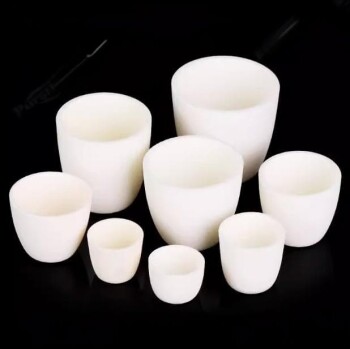
- Specialized Lab Ceramics: High-purity alumina washers, crucibles, and PTFE products for total electrical isolation.
- High-Pressure Systems: Premium autoclaves and high-temperature high-pressure reactors tailored for corrosion studies.
- Electrochemical Tools: High-quality electrolytic cells and electrodes for precise material analysis.
Don't let signal leakage invalidate your results. Partner with KINTEK for the reliable consumables and equipment your lab deserves. Contact our technical experts today to optimize your test assembly!
References
- David Rodríguez, Dev Chidambaram. Accelerated estimation of corrosion rate in supercritical and ultra-supercritical water. DOI: 10.1038/s41529-017-0006-1
This article is also based on technical information from Kintek Solution Knowledge Base .
Related Products
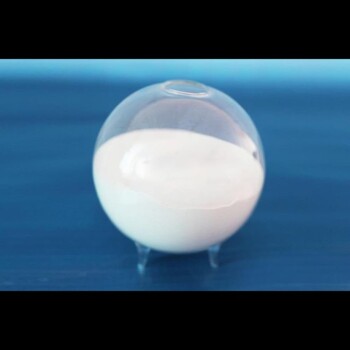
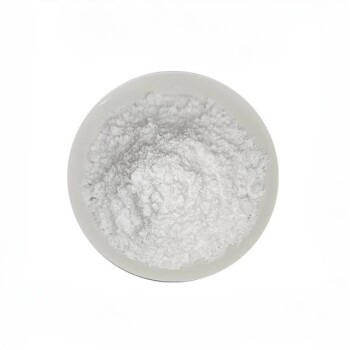
- High Purity Alumina Granulated Powder for Engineering Advanced Fine Ceramics
- Engineering Advanced Fine Ceramics Aluminium Oxide Al2O3 Ceramic Washer for Wear-Resistant Applications
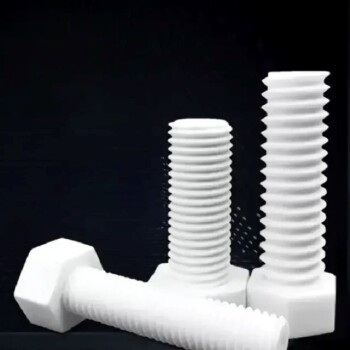
- High Quality Alumina Ceramic Screw for Engineering Advanced Fine Ceramics with High Temperature Resistance and Insulation
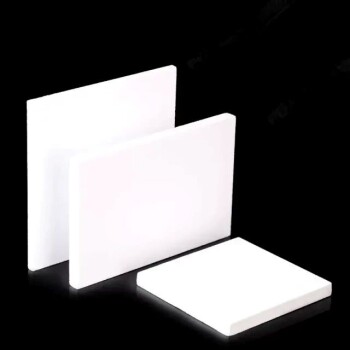
- High Temperature Wear-Resistant Alumina Al2O3 Plate for Engineering Advanced Fine Ceramics
- High Temperature Alumina (Al2O3) Furnace Tube for Engineering Advanced Fine Ceramics
People Also Ask
- What is the function of high-purity alumina powder in pack cementation? Ensure Uniform Aerospace Blade Coatings
- How should alumina powder be selected for polishing a disc electrode, and what is the procedure for removing scratches? Achieve a Perfect Mirror Finish
- What are the properties and handling precautions for alumina powder as a polishing material? Achieve a Flawless Finish with Precision
- Why is it necessary to apply alumina powder to graphite molds for TiC10/Cu-Al2O3? Ensure Smooth Release.
- What measures should be taken to prevent cross-contamination when using different sizes of alumina powder?