Ceramic fiber insulation serves as the primary thermal defense for maintaining the fluidity of high-temperature molten salt during transport. Applied to the exterior of pipelines and valves, materials like ceramic wool or mats are designed to drastically minimize heat loss. This specific type of insulation ensures that the temperature of the transport infrastructure remains synchronized with the reactor, preventing the salt from cooling to the point of solidification.
Core Takeaway: The functionality of a molten salt system hinges on thermal consistency. Ceramic fiber insulation provides the necessary barrier to prevent temperature drops that cause salt clumping, ensuring continuous flow and reducing the system’s total energy demand.
Critical Functions of Insulation in CCMS Systems
Preventing Solidification and Clumping
The most immediate risk in any molten salt transport system is the material returning to a solid state.
Maintaining Fluidity
Molten salt requires specific high temperatures to remain liquid. Ceramic fiber insulation acts as a barrier, trapping heat within the pipeline to ensure continuous fluidity.
Avoiding Blockages
Without adequate insulation, the salt can cool rapidly at pipe walls or valves. This leads to clumping or total solidification, which can block the pipeline and halt the entire process cycle.
Operational Synchronization and Efficiency
Temperature Synchronization
For the system to operate effectively, the transport pipelines must match the operating temperature of the reactor.
Balancing System Heat
Ceramic mats allow the pipeline temperature to remain synchronized with the reactor. This prevents the piping network from acting as a "heat sink" that draws energy away from the active process.
Reducing Energy Consumption
By minimizing heat loss to the surrounding environment, the system requires less active heating to maintain the salt's liquid state. This directly leads to a reduction in total energy consumption for the facility.
Understanding the Risks of Insulation Failure
The Vulnerability of Valves
High-temperature valves are complex shapes and are often prone to higher heat loss than straight pipes.
Critical Application Areas
Inadequate coverage on valves can create cold spots. Even small areas of heat loss can initiate localized clumping, which may seize valve mechanisms and compromise control over the flow.
Dependency on Integrity
The system's reliability is entirely dependent on the integrity of the insulation layer. Physical damage or gaps in the ceramic wool will lead to immediate thermal bleeding and potential flow disruption.
Making the Right Choice for Your Maintenance Goals
To maximize the lifespan and efficiency of your molten salt transport system, consider the primary objectives of your insulation strategy:
- If your primary focus is Operational Reliability: Ensure meticulous application of ceramic mats around valves and junctions to prevent cold spots that lead to clogs.
- If your primary focus is Energy Efficiency: Prioritize high-quality, uniform coverage along long pipeline runs to minimize the thermal load on your heating systems.
Properly installed ceramic fiber insulation turns a fragile thermal process into a stable, energy-efficient operation.
Summary Table:
| Feature | Function in Molten Salt Systems | Benefit |
|---|---|---|
| Thermal Barrier | Prevents heat dissipation to the environment | Maintains continuous salt fluidity |
| Temperature Sync | Matches pipeline heat with reactor temperature | Prevents thermal shock and heat sinking |
| Clump Prevention | Eliminates cold spots on valves and junctions | Avoids pipeline blockages and seizing |
| Energy Conservation | Reduces the load on active heating systems | Lowers total facility energy consumption |
Optimize Your Thermal Processes with KINTEK
Ensure the integrity of your high-temperature operations with KINTEK’s industry-leading laboratory and industrial solutions. Whether you are managing complex molten salt transport or specialized battery research, our comprehensive portfolio—from high-temperature furnaces (muffle, tube, vacuum) and high-pressure reactors to PTFE products and ceramics—is designed to provide maximum thermal efficiency and operational reliability.
Why choose KINTEK?
- Precision Engineering: High-performance equipment for extreme temperature environments.
- Complete Solutions: From crushing systems to cooling solutions (ULT freezers), we cover every lab need.
- Targeted Expertise: Specialized tools for CVD/PECVD and dental applications.
Contact us today to enhance your lab’s efficiency and system stability!
References
- Piotr Palimąka, Justyna Jaskowska-Lemańska. Evaluation of the Wear of Ni 200 Alloy After Long-Term Carbon Capture in Molten Salts Process. DOI: 10.3390/ma17246302
This article is also based on technical information from Kintek Solution Knowledge Base .
Related Products
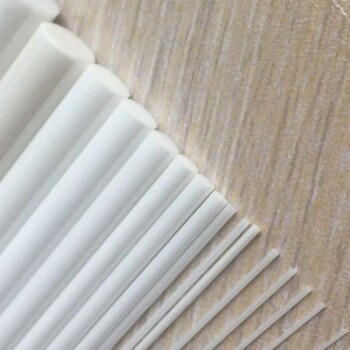
- Engineering Advanced Fine Alumina Al2O3 Ceramic Rod Insulated for Industrial Applications
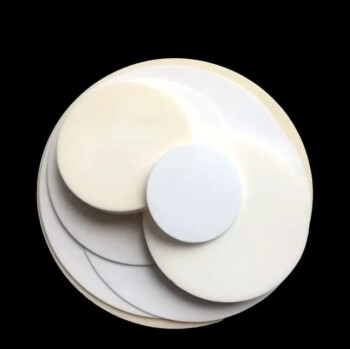
- Zirconia Ceramic Gasket Insulating Engineering Advanced Fine Ceramics
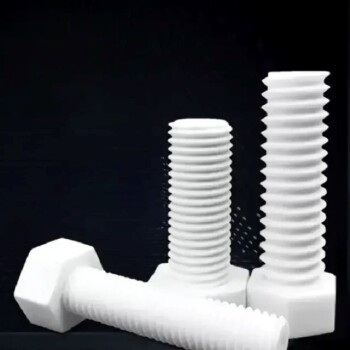
- High Quality Alumina Ceramic Screw for Engineering Advanced Fine Ceramics with High Temperature Resistance and Insulation
- Engineering Advanced Fine Ceramics Aluminum Oxide Al2O3 Heat Sink for Insulation
- Silicon Carbide (SIC) Ceramic Sheet Wear-Resistant Engineering Advanced Fine Ceramics
People Also Ask
- Why are high-purity alumina rods used in LOCA experiments? Simulating Nuclear Fuel Gap and Steam Starvation
- How is alumina ceramic made? A Guide to Manufacturing Methods and Material Properties
- What ceramics are used for insulation? Choose the Right Material for Thermal or Electrical Needs
- Why are alumina insulation discs used as sample supports in CCPN? Ensure Arcing-Free, Uniform Plasma Nitriding
- How do alumina ceramic tubes address technical challenges in electrochemical devices? Ensure Peak Signal Integrity.