Zirconia fiber felt serves as a critical dual-purpose barrier in the synthesis of silicon oxynitride (Si2N2O) ceramic matrix composites. Positioned specifically between the heating resistors and the metallic reactor shell, it functions as both a thermal insulator to maintain high reaction temperatures and an electrical insulator to prevent system failure.
The primary role of zirconia fiber felt is to concentrate thermal energy within the synthesis zone while simultaneously isolating the high-current heating system from the metallic pressure vessel to prevent electrical shorts.
The Functional Mechanics of Zirconia Fiber Felt
Thermal Energy Concentration
The synthesis of Si2N2O requires extremely high temperatures. Zirconia fiber felt acts as a specialized thermal shield, preventing heat from dissipating outward toward the water-cooled reactor walls.
By trapping this heat, the felt concentrates the thermal energy directly in the sample area. This ensures the environment reaches and maintains the necessary conditions for successful ceramic synthesis without wasting energy.
Electrical Isolation
The heating systems used in this process typically rely on high currents. The zirconia fiber felt provides essential electrical insulation between these active heating resistors and the conductive metallic shell of the reactor.
This isolation is vital for operational safety. It prevents electrical short circuits between the power source and the high-pressure vessel, which could otherwise lead to catastrophic equipment damage.
Critical Dependencies and Considerations
Managing Extreme Temperature Gradients
The reactor design creates a drastic temperature difference between the core synthesis zone and the outer shell. The zirconia felt must effectively bridge the gap between the super-heated interior and the water-cooled exterior.
Failure in the felt's thermal properties would lead to excessive heat transfer. This could compromise the cooling system or thermally stress the reactor's metallic shell.
Integrity of the Assembly
Because the felt is the only barrier against short circuits, its physical integrity is paramount. Any gaps, compression issues, or degradation in the felt could expose the metallic shell to the live heating elements.
Optimizing Reactor Assembly
To ensure the successful synthesis of Si2N2O, you must prioritize the correct installation and condition of the insulation layers.
- If your primary focus is Thermal Efficiency: Ensure the zirconia fiber felt completely surrounds the sample area to minimize heat loss and stabilize the reaction temperature.
- If your primary focus is Operational Safety: Verify that the felt provides a continuous, unbroken barrier between the heating resistors and the vessel walls to eliminate the risk of arcing.
Ultimately, the zirconia fiber felt is the structural key that allows high-temperature synthesis to occur safely within a cooled, metallic pressure vessel.
Summary Table:
| Feature | Role of Zirconia Fiber Felt | Benefit to Synthesis Process |
|---|---|---|
| Thermal Insulation | Concentrates heat within the reaction zone | Maintains high temperatures required for Si2N2O formation |
| Electrical Isolation | Separates resistors from metallic reactor shell | Prevents catastrophic short circuits and equipment damage |
| Heat Shielding | Protects water-cooled reactor walls | Reduces thermal stress on the vessel and optimizes energy use |
| Structural Barrier | Bridges extreme temperature gradients | Ensures operational stability between the core and exterior |
Elevate Your Material Synthesis with KINTEK Expertise
Achieving the perfect Si2N2O ceramic matrix composite requires precision equipment that can withstand extreme environments. KINTEK specializes in advanced laboratory solutions, providing the high-performance high-temperature furnaces, high-pressure reactors, and specialized ceramics necessary for cutting-edge material research.
Whether you are managing complex thermal gradients or ensuring electrical integrity in high-current systems, our team is dedicated to providing laboratory equipment and consumables that guarantee safety and efficiency. From muffle and vacuum furnaces to crucibles and insulation materials, KINTEK is your partner in innovation.
Ready to optimize your ceramic synthesis process? Contact our technical experts today to find the right high-temperature solutions for your lab!
References
- Brice Taillet, F. Teyssandier. Densification of Ceramic Matrix Composite Preforms by Si2N2O Formed by Reaction of Si with SiO2 under High Nitrogen Pressure. Part 1: Materials Synthesis. DOI: 10.3390/jcs5070178
This article is also based on technical information from Kintek Solution Knowledge Base .
Related Products
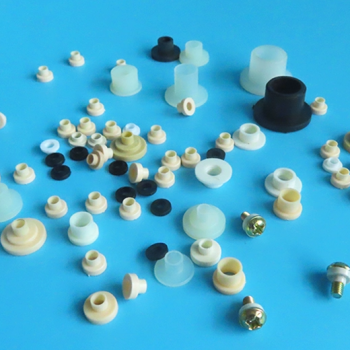
- Zirconia Ceramic Gasket Insulating Engineering Advanced Fine Ceramics
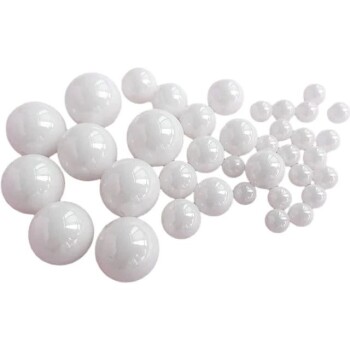
- Precision Machined Zirconia Ceramic Ball for Engineering Advanced Fine Ceramics
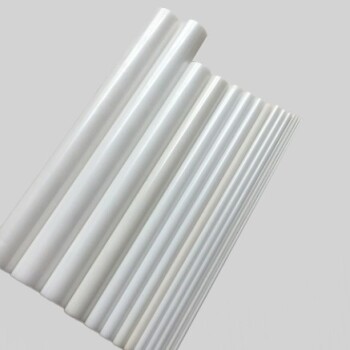
- Precision Machined Yttrium Stabilized Zirconia Ceramic Rod for Engineering Advanced Fine Ceramics
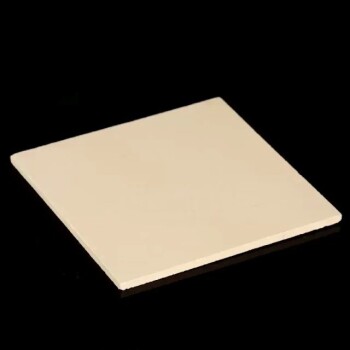
- Precision Machined Yttria Stabilized Zirconia Ceramic Plate for Engineering Advanced Fine Ceramics
- Custom-Made Alumina Zirconia Special-Shaped Ceramic Plates for Engineering Advanced Fine Ceramics Processing
People Also Ask
- What are the applications of zirconia ceramics? Unlock High-Performance Solutions for Extreme Environments
- What ceramics are used for insulation? Choose the Right Material for Thermal or Electrical Needs
- What is the main disadvantage of zirconia? Balancing Strength, Aesthetics, and Tooth Wear
- What is the strongest type of zirconia? A Guide to Choosing the Right Dental Zirconia
- What are the failures of zirconia? Avoid Fracture and Debonding with Proper Protocol