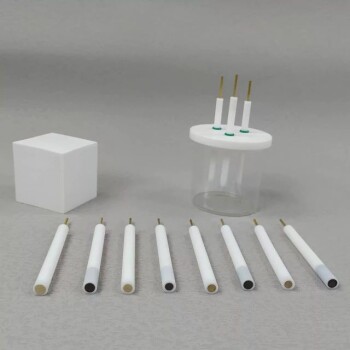
The primary function of wrapping platinum electrode wires in oxidized zirconia coils is to prevent electrical short circuits. These coils create a robust physical barrier that electrically isolates the signal-carrying platinum wires from the conductive stainless steel walls of the tube containing the particle bed.
The oxidized zirconia layer serves as a critical electrical insulator. By isolating the electrodes from the metallic background, it guarantees signal purity even in challenging high-conductivity and high-temperature water environments.
The Challenge: Signal Integrity in Metal Vessels
The Risk of Grounding
Platinum wires are essential for collecting potential signals from both ends of a particle bed. However, these wires must pass through stainless steel tubes to transmit that data.
If the bare platinum wire touches the stainless steel wall, the circuit shorts. This contact destroys the signal, making accurate data collection impossible.
Demanding Environments
This system operates in high-temperature water, which significantly increases conductivity. Standard insulation methods often degrade or fail under these thermal and chemical stresses.
The insulation must be chemically stable and dense enough to resist the environment while maintaining total electrical isolation.
The Solution: Zirconia Oxidation
Creating the Insulating Layer
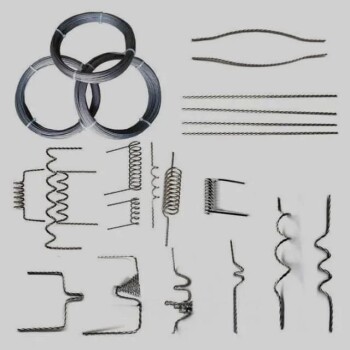
To solve the shorting issue, the platinum wires are wrapped in zirconia wire coils. These coils are not used in their raw state; they undergo a specific thermal treatment.
The coils are oxidized in air at 600 °C. This heating process is the catalyst that transforms the zirconia into a functional component for this application.
The Role of Density
The oxidation process creates a dense zirconia layer on the coils. This density is the key characteristic that prevents electrical current from leaking through to the stainless steel.
It acts as a reliable shield, ensuring that the potential signals collected from the particle bed remain pure and unaffected by the surrounding metal structure.
Operational Constraints and Requirements
Mandatory Pre-treatment
This insulation method is not "plug-and-play." The effectiveness of the isolation relies entirely on the oxidation step.
You cannot skip or rush the heating phase; the zirconia must be treated at 600 °C to achieve the necessary density for insulation.
Material Compatibility
This solution is specifically engineered for systems involving stainless steel tube walls. If your containment vessel is made of a non-conductive material (like glass or ceramic), this complex wrapping and oxidation process may be unnecessary.
Ensuring Reliable Data Collection
To ensure your electrode system performs correctly, apply the following principles:
- If your primary focus is Signal Accuracy: Ensure the zirconia coils are fully oxidized at 600 °C to form the dense layer required for total electrical isolation.
- If your primary focus is System Design: Verify that the zirconia wrapping fully separates the platinum wire from any stainless steel surfaces to prevent grounding.
Proper oxidation turns the zirconia coil from a simple physical spacer into a critical high-performance insulator.
Summary Table:
| Component | Material | Primary Function |
|---|---|---|
| Signal Carrier | Platinum Wire | Collects potential signals from particle beds |
| Insulating Barrier | Oxidized Zirconia | Prevents electrical shorts between wire and vessel |
| Containment Vessel | Stainless Steel | Provides structural housing (conductive) |
| Treatment Process | Thermal Oxidation | Performed at 600 °C to create high-density insulation |
| Operating Medium | High-Temp Water | High-conductivity environment requiring robust isolation |
Enhance Your Research Precision with KINTEK Expertise
Reliable data in high-temperature and high-pressure environments starts with the right materials. KINTEK specializes in advanced laboratory solutions, including high-performance electrolytic cells and electrodes, high-temperature high-pressure reactors, and custom thermal processing tools.
Whether you are managing complex signal isolation challenges or need durable consumables like zirconia and ceramic crucibles, our team provides the engineering excellence required for your success. Don't let signal loss or equipment failure stall your breakthroughs.
Contact KINTEK today to optimize your laboratory setup!
References
- Chloé Cherpin, Sarita Weerakul. Magnetite (Fe3O4) and nickel ferrite (NiFe2O4) zeta potential measurements at high temperature: Part I—Design, materials and preliminary characterization of an apparatus implementing the streaming potential method. DOI: 10.1016/j.colsurfa.2022.128961
This article is also based on technical information from Kintek Solution Knowledge Base .
Related Products
- Platinum Sheet Electrode for Laboratory and Industrial Applications
- Rotating Platinum Disk Electrode for Electrochemical Applications
- Platinum Sheet Electrode for Battery Lab Applications
- Platinum Auxiliary Electrode for Laboratory Use
- High Purity Gold Platinum Copper Iron Metal Sheets
People Also Ask
- What is a common use for a platinum sheet electrode? As a Reliable Counter Electrode in Electrochemical Cells
- What is the most critical guideline for immersing a platinum sheet electrode in an electrolyte? Ensure Accurate Electrochemical Measurements
- What is the purity of the platinum sheet in a platinum sheet electrode? The Key to Reliable Electrochemical Data
- What is the expected lifespan of a platinum sheet electrode? Maximize Your Electrode's Service Life
- What are the available specifications for platinum sheet electrodes? Find the Perfect Fit for Your Electrochemical Needs