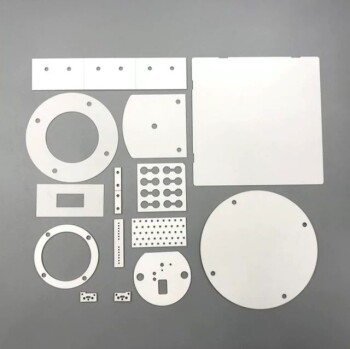
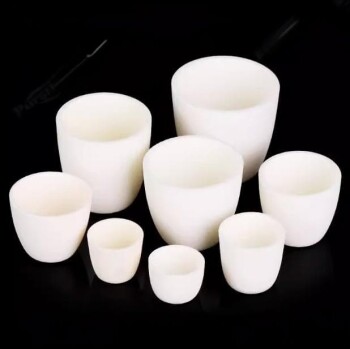
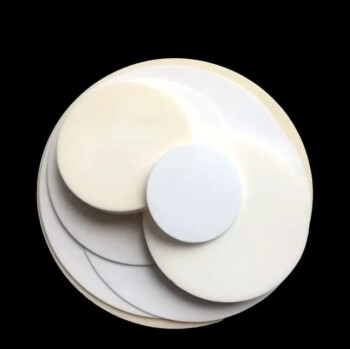
Alumina ceramic liners function as a critical protective interface within supercritical water gasification (SCWG) reactors. They are integrated specifically to shield the reactor's internal metal walls from the severe corrosive intermediates and physical erosion caused by high-temperature, high-pressure supercritical fluids. By acting as an insulating barrier, these liners preserve the structural integrity of the metal substrate and ensure process stability.
The integration of alumina ceramic liners solves the dual challenge of material degradation and product contamination. By serving as a physical barrier against corrosion and erosion, they significantly extend reactor lifespan while ensuring the purity of the gasification output.
Combatting the SCWG Environment
Supercritical water gasification creates an incredibly harsh environment for engineering materials. The integration of alumina liners addresses two specific destructive forces present in the reactor.
Shielding Against Corrosive Intermediates
The gasification process generates highly reactive and corrosive intermediates.
If left unchecked, these chemical byproducts would directly attack the internal metal walls of the reactor. The alumina ceramic liner serves as a chemically resistant shield, isolating the metal substrate from these aggressive compounds.
Preventing Physical Erosion
Beyond chemical corrosion, the reactor must withstand physical stress.
High-temperature and high-pressure supercritical fluids possess significant kinetic energy and density. The ceramic liner absorbs the impact of this environment, preventing direct erosion that would otherwise wear down the metal vessel over time.
Impact on Reactor Performance
The inclusion of these liners is not just about protection; it fundamentally improves the operational metrics of the gasification system.
Extending Equipment Lifespan
The most immediate benefit is the preservation of the reactor's pressure vessel.
By preventing direct contact between the harsh fluids and the structural metal, the rate of degradation is drastically reduced. This insulation effect ensures that the expensive metal components remain intact for longer periods, reducing maintenance frequency and capital replacement costs.
Minimizing Impurity Leaching
There is a critical relationship between reactor wall integrity and product quality.
When metal walls erode or corrode, metal ions can leach into the reaction mixture. By utilizing an alumina liner to prevent this degradation, the system reduces metal impurity leaching, resulting in a cleaner, higher-purity gasification product.
Understanding the Operational Dependencies
While alumina liners provide essential protection, their use implies specific engineering considerations regarding reactor integrity.
The Necessity of the Barrier
The integration of a liner indicates that standard reactor metals cannot withstand the SCWG process in isolation.
The system relies entirely on the integrity of the protective barrier. If the liner is compromised, the underlying metal acts as a substrate that is immediately vulnerable to the rapid erosion and corrosion the liner was meant to prevent.
Making the Right Choice for Your Goal
The decision to utilize alumina ceramic liners is driven by the specific operational priorities of your gasification project.
- If your primary focus is Equipment Longevity: The liner is essential to shield the metal substrate from erosion, thereby extending the operational life of the pressure vessel.
- If your primary focus is Product Purity: The liner is critical for preventing the leaching of metal impurities from the reactor walls into your final output.
Ultimately, integrating alumina ceramic liners is a foundational strategy for decoupling the structural requirements of the reactor from the chemical harshness of the process.
Summary Table:
| Feature | Benefit in SCWG Reactors |
|---|---|
| Corrosion Resistance | Shields metal walls from reactive intermediates and aggressive chemical byproducts. |
| Erosion Protection | Absorbs physical impact from high-temperature, high-pressure supercritical fluids. |
| Thermal Insulation | Preserves the structural integrity of the metal pressure vessel under extreme heat. |
| Purity Control | Minimizes metal leaching into the reaction mixture for a cleaner gas product. |
| Longevity | Drastically reduces maintenance frequency and capital replacement costs. |
Maximize Your Reactor Performance with KINTEK
Facing the extreme challenges of supercritical water gasification? KINTEK specializes in advanced laboratory and industrial solutions designed to withstand the harshest environments. Our expertise in high-temperature high-pressure reactors and autoclaves ensures your operations remain stable, efficient, and pure.
From precision-engineered alumina ceramic liners to a comprehensive range of crushing and milling systems, hydraulic presses, and specialized ceramics, we provide the high-performance tools your research and production demand. Let KINTEK help you extend your equipment's lifespan and achieve superior product purity.
Ready to upgrade your system? Contact our experts today to find the perfect solution for your lab!
References
- Florentina Maxim, Speranţa Tănăsescu. Functional Materials for Waste-to-Energy Processes in Supercritical Water. DOI: 10.3390/en14217399
This article is also based on technical information from Kintek Solution Knowledge Base .
Related Products
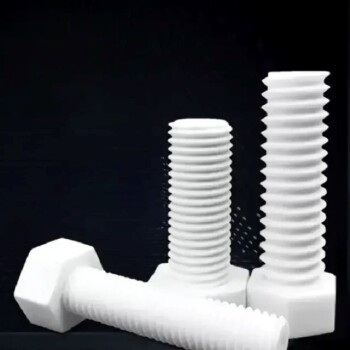
- High Quality Alumina Ceramic Screw for Engineering Advanced Fine Ceramics with High Temperature Resistance and Insulation
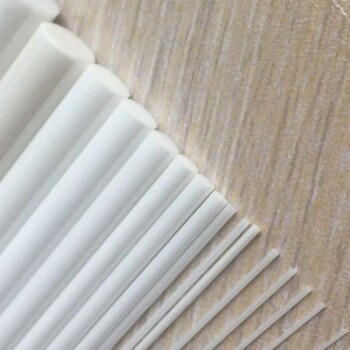
- Engineering Advanced Fine Alumina Al2O3 Ceramic Rod Insulated for Industrial Applications
- Advanced Engineering Fine Ceramics Alumina Ceramic Saggar for Fine Corundum
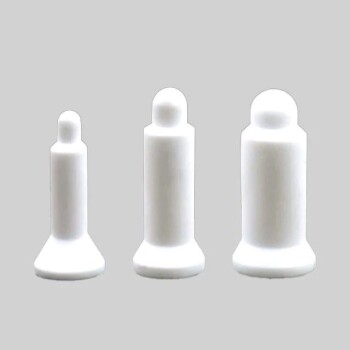
- Engineering Advanced Fine Alumina (Al₂O₃) Ceramic Positioning Pin Straight Bevel for Precision Applications
- Engineering Advanced Fine Ceramics Alumina Al2O3 Crucible With Lid Cylindrical Laboratory Crucible
People Also Ask
- How is alumina ceramic made? A Guide to Manufacturing Methods and Material Properties
- What are the methods of high temperature ceramic? Master the 3-Stage Process for Durable Components
- Can ceramics withstand high temperatures? Discover Their Exceptional Heat Resistance
- Can ceramic withstand high temperatures? Discover the Superior Materials for Extreme Heat
- What are the useful applications of ceramics? Unlock High-Performance Solutions for Your Industry