The electrolytic cell and temperature control system function as the primary regulators of reaction kinetics during the anodic oxidation of titanium. They influence nanotube morphology by precisely balancing two competing processes: the electrochemical oxidation of the metal and the chemical dissolution (etching) of the oxide layer. By maintaining a constant voltage of 60 V and a stable temperature of 25 °C, these systems ensure the growth of highly oriented, vertically aligned TiO2 nanotube arrays.
Core Insight: The morphology of TiO2 nanotubes is defined by the equilibrium between oxidation and etching. A stable environment controls this balance, acting as the prerequisite for forming nanotubes with specific dimensions (approx. 100 nm diameter and 15 μm length) that are critical for advanced applications like photocatalysis.
The Role of the Electrolytic Cell
Driving Directional Growth
The electrolytic cell utilizes a precision power supply to apply a constant DC voltage, specifically 60 V, to the titanium substrate. This electrical potential drives the electrochemical oxidation reaction required to convert metallic titanium into titanium dioxide.
Ensuring Uniform Current Distribution
To achieve consistent nanotube morphology across the entire sample, the cell employs a high-purity counter electrode system, typically made of graphite or platinum. This ensures a uniform distribution of current density across the titanium surface.
Creating Vertical Alignment
The precise application of voltage promotes the directional growth of the nanotubes. This results in a vertically aligned structure that provides a direct physical path for the rapid transport of photogenerated charges, significantly reducing electron recombination rates.
The Critical Function of Temperature Control
Managing Reaction Kinetics
The temperature control system stabilizes the electrolyte at exactly 25 °C. Temperature is a decisive factor because it governs the reaction rates of both the oxidation process and the chemical dissolution of the formed oxide.
Controlling Fluoride Ion Etching
The morphology of the nanotubes depends heavily on the rate of fluoride ion etching. If the temperature fluctuates, the etching rate changes, disrupting the delicate balance needed to carve out the porous nanotube structure.
Maintaining Chemical Stability
By keeping the thermal environment constant, the system prevents varying dissolution rates. This stability is essential for forming arrays with regular, predictable tube diameters and lengths.
Resulting Morphology and Performance
Achieving Specific Dimensions
When both voltage and temperature are strictly controlled, the process yields nanotubes with highly specific dimensions. The primary reference indicates an optimal yield of approximately 100 nm in diameter and 15 μm in length.
Maximizing Surface Area
This controlled morphology creates an ordered porous structure with a massive specific surface area. This architecture is ideal for loading secondary materials, such as Graphene Quantum Dots (GQDs), to further enhance functionality.
Enhancing Quantum Efficiency
The highly ordered, vertical nature of the nanotubes—achieved only through rigid environmental controls—improves the quantum efficiency of the material. This is due to the efficient separation and transport of charges within the regular geometric structure.
Understanding the Trade-offs
The Balance of Dissolution vs. Oxidation
The anodic oxidation process is a "tug-of-war" between growing the oxide layer and dissolving it. The control systems are necessary because tipping the balance destroys the morphology.
Sensitivity to Fluctuations
Even minor deviations in voltage or temperature can lead to structural defects. An imbalance favors either excessive etching (destroying the tubes) or excessive oxidation (clogging the pores), leading to a loss of the desired vertical alignment and surface area.
Making the Right Choice for Your Goal
To optimize the fabrication of TiO2 nanotubes, you must prioritize the stability of your reaction environment.
- If your primary focus is Structural Regularity: Ensure your power supply maintains a strict 60 V and your thermal bath holds 25 °C to guarantee uniform diameters of ~100 nm.
- If your primary focus is Photocatalytic Efficiency: Prioritize the vertical alignment provided by the graphite/platinum electrode system to maximize charge transport and minimize recombination.
Precision in the physical and chemical environment is the single most important factor in transitioning from disordered oxide layers to highly efficient nanotube arrays.
Summary Table:
| Parameter | Targeted Control Value | Influence on Morphology |
|---|---|---|
| Applied Voltage | 60 V (Constant DC) | Drives electrochemical oxidation and ensures directional vertical growth. |
| Temperature | 25 °C (Stable) | Balances oxidation vs. fluoride etching to maintain tube integrity. |
| Electrode Material | Graphite or Platinum | Ensures uniform current density for consistent array distribution. |
| Reaction Outcome | Equilibrium State | Produces highly ordered nanotubes (~100 nm diameter, 15 μm length). |
Elevate Your Nanomaterials Research with KINTEK Precision
Achieving the perfect TiO2 nanotube morphology requires more than just chemistry—it requires uncompromising environmental control. KINTEK specializes in high-performance laboratory equipment designed for the most demanding electrochemical and thermal applications.
Whether you are refining anodic oxidation or advancing battery research, our comprehensive range of electrolytic cells, electrodes, and precise temperature control solutions ensures you maintain the delicate balance between oxidation and etching.
Our value to your lab:
- Precision Control: Advanced power supplies and thermal baths for repeatable results.
- Comprehensive Portfolio: From high-temperature furnaces and reactors to specialized electrolytic tools and electrodes.
- Expert Solutions: Tailored equipment for researchers focusing on photocatalysis, material synthesis, and electrochemical engineering.
Contact KINTEK today to optimize your research results!
References
- Achraf Amir Assadi, Aymen Amine Assadi. Synthesis and Characterization of TiO2 Nanotubes (TiO2-NTs) with Ag Silver Nanoparticles (Ag-NPs): Photocatalytic Performance for Wastewater Treatment under Visible Light. DOI: 10.3390/ma15041463
This article is also based on technical information from Kintek Solution Knowledge Base .
Related Products
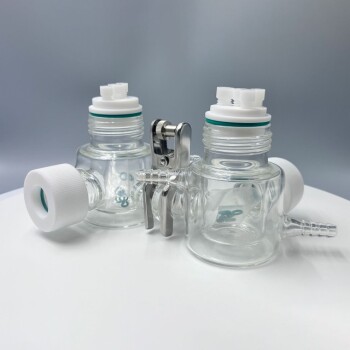
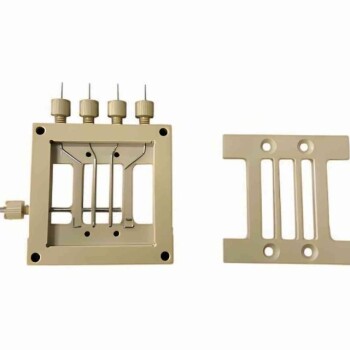
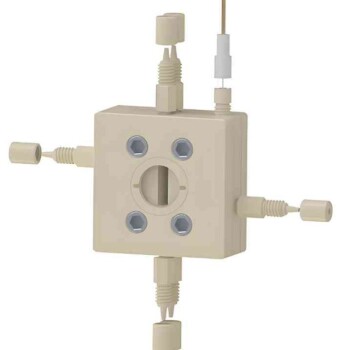
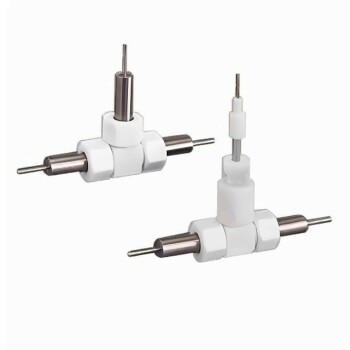
- PTFE Electrolytic Cell Electrochemical Cell Corrosion-Resistant Sealed and Non-Sealed
- Super Sealed Electrolytic Electrochemical Cell
- Electrolytic Electrochemical Cell with Five-Port
- H Type Electrolytic Cell Triple Electrochemical Cell
- Electrolytic Electrochemical Cell Gas Diffusion Liquid Flow Reaction Cell
People Also Ask
- What is the necessity of selecting a PTFE electrolytic cell? Ensure Precise Graphene Corrosion Testing Accuracy
- What is the proper method for cleaning the surface of an all-PTFE electrolytic cell? Ensure Accurate Results with a Pristine Surface
- How should an all-PTFE electrolytic cell be stored after use? Expert Maintenance Tips for Long-Lasting Performance
- What is the proper cleaning method for an all-PTFE electrolytic cell? Essential Tips for Surface Integrity
- What are the standard opening specifications for all-PTFE electrolytic cells? A Guide to Sealed vs. Non-Sealed Ports