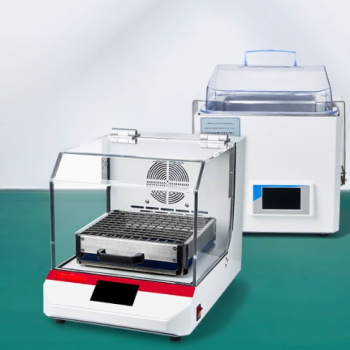
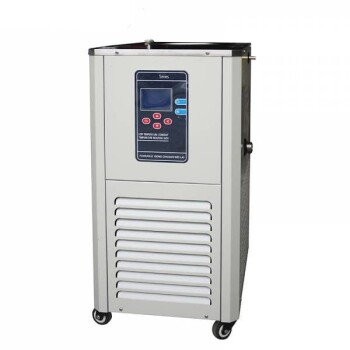
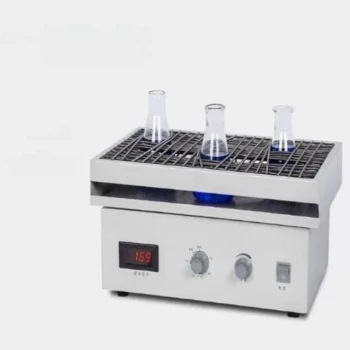
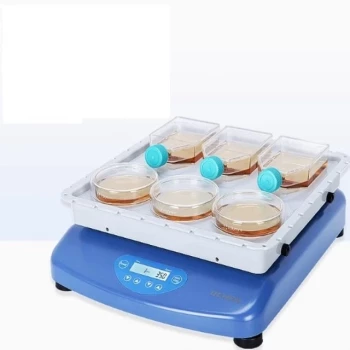
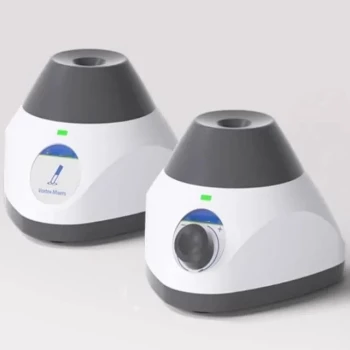
A constant temperature incubator shaker optimizes enzymatic hydrolysis by integrating precise thermal regulation with mechanical agitation to drive the reaction forward. It facilitates the process by maintaining a stable environment (e.g., 50°C) while using continuous kinetic mixing (e.g., 200 rpm) to force thorough contact between cellulase enzymes and the solid lignocellulosic substrate.
By eliminating mass transfer resistance and preventing substrate sedimentation, the incubator shaker ensures that the hydrolysis rate is limited only by the enzyme's chemical capability, rather than physical barriers.
Optimizing Physical Interactions
Eliminating Mass Transfer Resistance
The primary barrier in hydrolysis is the difficulty enzymes face in physically reaching the solid substrate through a liquid medium. The shaker provides continuous kinetic mixing to disrupt stagnant fluid layers around the particles. This reduces the distance enzymes must diffuse to attach to the cellulose surface.
Preventing Substrate Sedimentation
Lignocellulosic materials are typically insoluble and prone to settling at the bottom of a vessel. Continuous agitation keeps these solids in suspension. This ensures the maximum possible surface area is always exposed to the enzyme solution.
Enhancing Mechanical Contact
The orbital motion creates mechanical shear within the fluid. This physical force increases the frequency of collisions between enzyme molecules and the cellulose chains. It ensures that surfactants and enzymes are uniformly distributed rather than clumped in specific zones.
Regulating the Chemical Environment
Maintaining Thermal Stability
Enzymatic hydrolysis is highly sensitive to temperature fluctuations; deviation can lead to slow reaction rates or enzyme denaturation. The incubator maintains a precise, stable set point (typically 50°C for hydrolysis) to keep enzymes at their peak catalytic efficiency.
Facilitating Product Desorption
Once an enzyme breaks down a cellulose chain into sugar, that sugar must be removed to allow the enzyme to work again. Dynamic mixing helps desorb (detach) the product from the reaction site. This clears the path for the enzyme to attack the next bond.
Mitigating Enzyme Inhibition
High concentrations of glucose and cellobiose near the substrate surface can chemically inhibit enzyme activity. Continuous oscillation disperses these sugars throughout the mixture. This prevents localized high solute concentrations that would otherwise stall the reaction.
Understanding the Trade-offs
Balancing Shear Stress
While mechanical shear improves contact, there is an upper limit to its benefits. Excessive agitation speeds can generate enough shear force to deactivate or denature sensitive enzyme proteins over time. You must balance the need for mixing with the structural stability of your specific enzyme cocktail.
Energy Implications
Running a shaker at high RPMs with precise thermal heating for the long duration required for hydrolysis (often 24 to 72 hours) consumes significant energy. It is vital to determine the minimum agitation speed required to keep solids suspended to maximize energy efficiency.
Making the Right Choice for Your Goal
To maximize the efficiency of your hydrolysis process, align your equipment settings with your specific objectives:
- If your primary focus is maximizing reaction speed: Prioritize higher agitation rates (e.g., 200 rpm) to minimize mass transfer resistance and prevent product inhibition layers from forming.
- If your primary focus is enzyme longevity: Maintain strict temperature precision to prevent thermal denaturation and moderate the agitation to avoid shear-induced deactivation.
- If your primary focus is high-solids loading: Ensure your shaker possesses sufficient torque to maintain uniform suspension, as higher viscosity will increase the risk of sedimentation.
The effective use of an incubator shaker transforms hydrolysis from a static, diffusion-limited process into a dynamic, kinetically driven system.
Summary Table:
| Feature | Function in Hydrolysis | Impact on Efficiency |
|---|---|---|
| Precise Thermal Control | Maintains optimal enzyme activity (e.g., 50°C) | Prevents denaturation & maximizes reaction rate |
| Continuous Agitation | Eliminates mass transfer resistance | Ensures enzymes reach solid substrate surfaces |
| Mechanical Shear | Prevents substrate sedimentation | Maintains maximum surface area exposure |
| Kinetic Mixing | Facilitates product desorption | Prevents localized sugar inhibition of enzymes |
Accelerate your biomass research with KINTEK’s precision laboratory solutions. From advanced constant temperature incubator shakers and homogenizers to high-performance crushing and milling systems, we provide the tools necessary to optimize your enzymatic hydrolysis and material processing. Contact KINTEK today to discover how our comprehensive range of high-temperature furnaces, hydraulic presses, and specialized lab consumables can enhance your research efficiency and yield.
References
- Ming Yang. The use of lignocellulosic biomass for fermentative butanol production in biorefining processes. DOI: 10.14214/df.202
This article is also based on technical information from Kintek Solution Knowledge Base .
Related Products
- Shaking Incubators for Diverse Laboratory Applications
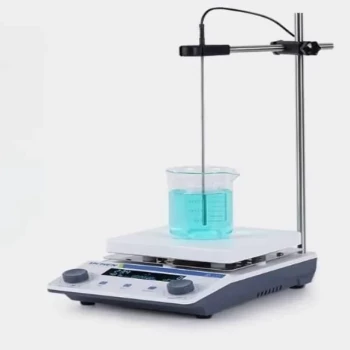
- Laboratory Small Constant Temperature Heated Magnetic Stirrer Heater and Stirrer
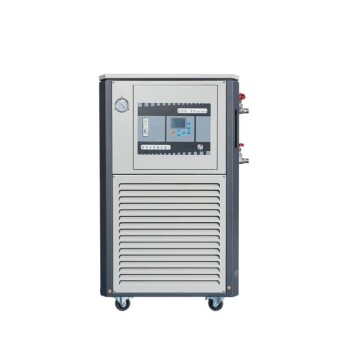
- High Temperature Constant Temperature Heating Circulator Water Bath Chiller Circulator for Reaction Bath
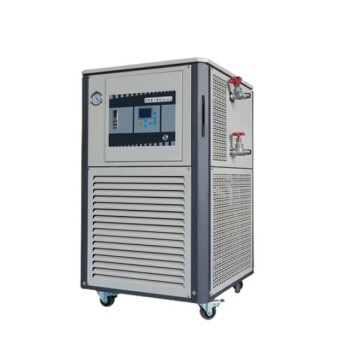
- 50L Chiller Water Bath Cooling Circulator Low Temperature Constant Temperature Reaction Bath
- 10L Heating Chilling Circulator Cooling Water Bath Circulator for High and Low Temperature Constant Temperature Reaction
People Also Ask
- What physical conditions does a shaking incubator provide for bioethanol fermentation? Optimize Yeast Productivity
- Why is the mechanical agitation provided by a shaking incubator necessary for the enzymatic hydrolysis of biomass?
- What critical reaction conditions does a shaking incubator provide? Optimize Cassava Cellulose Enzymatic Hydrolysis
- What are the primary functions of a shaking incubator? Optimize Biomass Fenton Pretreatment Efficiency
- What function does a laboratory shaking incubator serve for halophilic archaea? Optimize Your Seed Cultivation Today