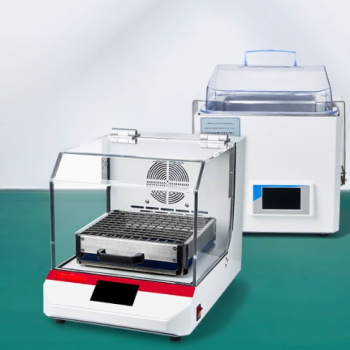
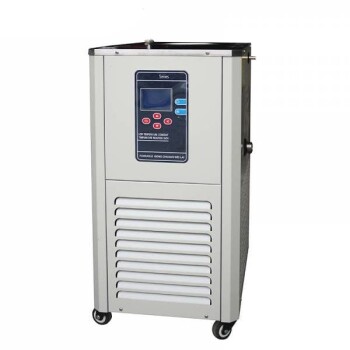
A constant temperature shaking incubator is indispensable for antibacterial experiments because it simultaneously optimizes bacterial viability and maximizes the physical interaction between the pathogen and the treatment. By maintaining a precise physiological temperature (37 °C) and providing continuous agitation (e.g., 100 rpm), the equipment prevents the sedimentation of nanomaterials and ensures sufficient dissolved oxygen for bacterial metabolism.
Core Insight: In nanomaterial-based antibacterial testing, the limiting factor is often physical contact, not chemical potency. The shaking incubator turns a static mixture into a dynamic system, ensuring that every bacterium is uniformly exposed to the antibacterial agents.
Establishing the Baseline for Growth
To accurately test how well a substance kills bacteria, you must first ensure the control group can grow optimally.
Mimicking Physiological Conditions
E. coli and S. aureus are mesophilic bacteria that thrive at body temperature. A constant temperature of 37 °C provides the stable thermal environment necessary for standard metabolic activity and replication.
Ensuring Oxygen Availability
These bacteria require oxygen to maintain active growth phases. The shaking mechanism constantly breaks the liquid surface tension, which significantly increases dissolved oxygen levels throughout the culture media.
Optimizing Nanomaterial Interactions
When testing complex antibacterial agents, such as SiO2@AuAg/PDA nanospheres, static incubation is insufficient.
Preventing Sedimentation
Nanomaterials are often denser than the culture media and will settle to the bottom if left undisturbed. Continuous agitation (100 rpm) keeps these nanospheres in full suspension, forcing them to maintain contact with bacterial cell walls.
Uniform Distribution of Mechanisms
The antibacterial efficacy of these specific nanospheres relies on the release of silver ions and localized photothermal effects. Agitation distributes these active agents evenly, ensuring the entire culture system is treated uniformly rather than creating localized "hot spots."
Common Pitfalls of Static Incubation
Using a standard incubator without a shaking function introduces variables that can invalidate your results.
Inconsistent Contact Ratios
Without shaking, bacteria swimming in the upper layers of the media may never encounter the nanomaterials settling at the bottom. This leads to false negatives, suggesting the antibacterial agent is ineffective when it simply lacked the opportunity to interact.
Unreliable Data Replication
Reliability depends on homogeneity. A static culture develops gradients of nutrients, waste, and antibacterial agents. This lack of uniformity makes it nearly impossible to replicate test results consistently between trials.
Ensuring Experimental Reliability
When designing your protocol, match the incubation conditions to your specific experimental goals.
- If your primary focus is Bacterial Maintenance: Ensure the shaker speed provides adequate aeration to support the exponential growth phase of the specific strain.
- If your primary focus is Nanomaterial Efficacy: Prioritize an agitation speed that is high enough to prevent particle sedimentation but low enough to avoid shear stress damage to the cells.
The shaking incubator is not just a storage device; it is an active participant in guaranteeing the reliability and uniformity of your antibacterial test data.
Summary Table:
| Feature | Function in Antibacterial Testing | Impact on Experimental Accuracy |
|---|---|---|
| 37 °C Temp Control | Mimics physiological conditions for E. coli & S. aureus | Ensures optimal baseline growth for control groups |
| Continuous Agitation | Prevents sedimentation of nanomaterials | Maximizes physical contact between bacteria and agents |
| Surface Aeration | Increases dissolved oxygen levels | Supports active metabolic phases and cell replication |
| Homogenization | Eliminates nutrient and waste gradients | Improves data reproducibility and prevents false negatives |
Elevate Your Research Precision with KINTEK
Don't let inconsistent incubation compromise your antibacterial data. KINTEK specializes in high-performance laboratory equipment designed for the rigorous demands of microbiology and material science. Whether you are testing advanced nanomaterials or conducting routine pathogen research, our constant temperature shaking incubators, homogenizers, and high-temperature furnaces provide the stability and uniformity your lab requires.
Why Choose KINTEK?
- Precision Engineering: Reliable temperature and agitation control for reproducible results.
- Comprehensive Solutions: From shakers and cooling solutions to advanced autoclaves and reactors.
- Expert Support: We help you select the right consumables like PTFE products and ceramics to complement your workflow.
Ready to optimize your experimental setup? Contact KINTEK today to discover how our premium laboratory solutions can enhance your research efficiency and accuracy.
References
- Dazheng Ci, Qunling Fang. SiO<sub>2</sub>@AuAg/PDA hybrid nanospheres with photo-thermally enhanced synergistic antibacterial and catalytic activity. DOI: 10.1039/d3ra07607e
This article is also based on technical information from Kintek Solution Knowledge Base .
Related Products
- Shaking Incubators for Diverse Laboratory Applications
- Laboratory Small Constant Temperature Heated Magnetic Stirrer Heater and Stirrer
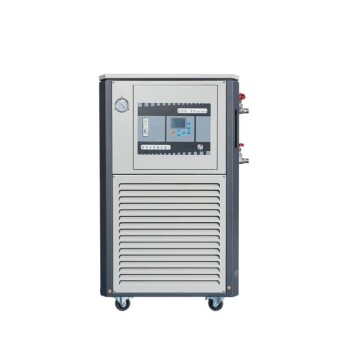
- High Temperature Constant Temperature Heating Circulator Water Bath Chiller Circulator for Reaction Bath
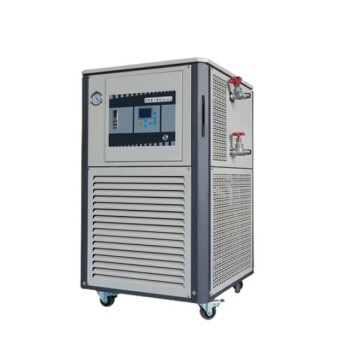
- 50L Chiller Water Bath Cooling Circulator Low Temperature Constant Temperature Reaction Bath
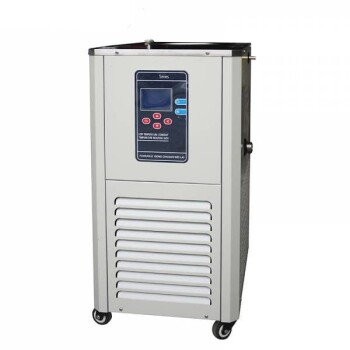
- 10L Heating Chilling Circulator Cooling Water Bath Circulator for High and Low Temperature Constant Temperature Reaction
People Also Ask
- What physical conditions does a shaking incubator provide for bioethanol fermentation? Optimize Yeast Productivity
- Why is the mechanical agitation provided by a shaking incubator necessary for the enzymatic hydrolysis of biomass?
- What critical reaction conditions does a shaking incubator provide? Optimize Cassava Cellulose Enzymatic Hydrolysis
- What are the primary functions of a shaking incubator? Optimize Biomass Fenton Pretreatment Efficiency
- What function does a laboratory shaking incubator serve for halophilic archaea? Optimize Your Seed Cultivation Today