A constant temperature shaking incubator is the cornerstone of reproducible microbiology, ensuring that environmental variables do not compromise experimental data. It serves two distinct but critical functions: maintaining a stable thermal environment for consistent metabolic activity and providing mechanical agitation to ensure sufficient oxygen exchange and nutrient homogeneity. For standard strains like Escherichia coli and Staphylococcus aureus, this equipment is mandatory to reliably reach the logarithmic or plateau growth phases and to prevent bacterial sedimentation during surface-contact assays.
The core value of this device lies in eliminating heterogeneity. By standardizing temperature and keeping cells in suspension, it ensures that every bacterium experiences the exact same environmental conditions, preventing data skews caused by oxygen starvation, nutrient gradients, or gravity-induced settling.
Optimizing Bacterial Growth
The primary challenge in culturing bacteria is ensuring that the entire population grows at a predictable rate.
Precise Thermal Regulation
Bacteria are highly sensitive to thermal fluctuations. A constant temperature ensures that metabolic enzymes function at their optimal rate.
This stability allows researchers to predict exactly when a culture will reach critical milestones, such as the logarithmic phase (rapid division) or the plateau phase (stationary).
Oxygen Availability
Static cultures often suffer from oxygen depletion, particularly at the bottom of the vessel.
The shaking mechanism continuously breaks the liquid surface tension. This maximizes oxygen transfer, which is vital for the respiration of aerobic bacteria like E. coli.
Nutrient Homogeneity
Without agitation, nutrients near the cells are consumed quickly, creating localized "starvation zones."
Shaking ensures a continuous, even distribution of nutrients throughout the growth medium. This guarantees that cell density—not nutrient accessibility—is the only limiting factor in growth.
Critical Role in Membrane Inactivation
When testing how effective antimicrobial membranes are, the physical interaction between the bacteria and the surface is paramount.
Preventing Sedimentation
In a static environment, gravity causes bacteria to settle to the bottom of the container.
This settling means that bacteria suspended in the liquid may never actually touch the membrane being tested. The shaking function eliminates this issue by keeping the suspension thoroughly mixed.
Ensuring Uniform Contact
Reliable data requires that the membrane is exposed to a consistent concentration of bacteria across its entire surface.
Continuous agitation forces the bacterial suspension to wash over the membrane repeatedly. This ensures thorough and uniform contact, which is the basis for calculating accurate inactivation rates.
Eliminating Experimental Error
If contact is uneven, the results will reflect the physics of settling rather than the biology of inactivation.
By standardizing the movement of the fluid, the incubator removes mechanical variability. This ensures that any observed reduction in bacterial count is due to the membrane's activity, not experimental design flaws.
Understanding the Trade-offs
While shaking incubators are essential, improper settings can introduce new variables that negatively impact results.
Shear Stress
Excessive shaking speeds can generate high shear forces in the liquid.
Fragile cells may be physically damaged or lysed by this turbulence. This can lead to artificially low cell counts that have nothing to do with the experimental treatment.
Evaporation Rates
Agitation increases the surface area of the liquid exposed to air.
In long-term experiments, this can lead to significant evaporation. This concentrates salts and nutrients in the media, potentially stressing the bacteria and altering growth kinetics.
Making the Right Choice for Your Goal
To maximize the utility of a constant temperature shaking incubator, tailor your approach to the specific phase of your experiment.
- If your primary focus is Bacterial Culture: Prioritize optimized RPM settings that maximize oxygen transfer without causing shear stress to ensure cultures reach the log phase on schedule.
- If your primary focus is Inactivation Experiments: Ensure the shaking speed is sufficient to prevent sedimentation completely, guaranteeing valid contact between the suspension and the membrane surface.
Precision in your incubator settings translates directly to precision in your data.
Summary Table:
| Feature | Impact on Bacterial Culture | Benefit for Inactivation Experiments |
|---|---|---|
| Thermal Regulation | Maintains optimal enzyme activity for predictable growth phases. | Ensures metabolic consistency across all test samples. |
| Mechanical Shaking | Maximizes oxygen transfer and prevents nutrient starvation zones. | Eliminates sedimentation to ensure uniform contact with membranes. |
| Suspension Mixing | Prevents bacterial settling at the bottom of the vessel. | Guarantees that observed kill rates are due to antimicrobial activity. |
| Environment Control | Minimizes data skew caused by localized micro-environments. | Standardizes fluid dynamics to remove mechanical experimental error. |
Elevate Your Microbiology Research with KINTEK
Precision is the heartbeat of every successful laboratory experiment. At KINTEK, we specialize in high-performance laboratory equipment designed to eliminate variables and deliver reproducible results.
Whether you are optimizing bacterial growth curves or conducting rigorous membrane inactivation studies, our advanced shakers, homogenizers, and cooling solutions provide the stability your research demands. From high-temperature furnaces and reactors to specialized consumables like PTFE products and ceramics, KINTEK supports every stage of your workflow with industry-leading reliability.
Ready to standardize your lab's performance? Contact us today to explore our full range of laboratory solutions!
References
- Li Zhu, Yingchao Dong. Ceramic-Based Composite Membrane with a Porous Network Surface Featuring a Highly Stable Flux for Drinking Water Purification. DOI: 10.3390/membranes9010005
This article is also based on technical information from Kintek Solution Knowledge Base .
Related Products
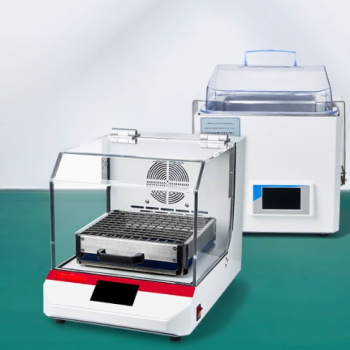
- Shaking Incubators for Diverse Laboratory Applications
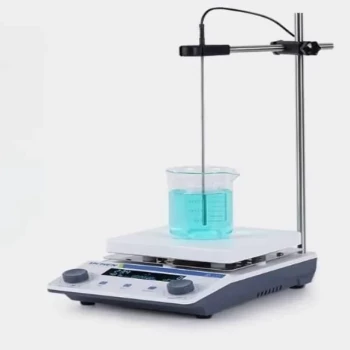
- Laboratory Small Constant Temperature Heated Magnetic Stirrer Heater and Stirrer
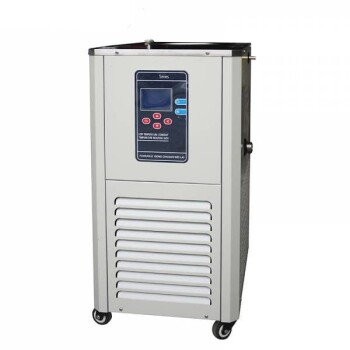
- High Temperature Constant Temperature Heating Circulator Water Bath Chiller Circulator for Reaction Bath
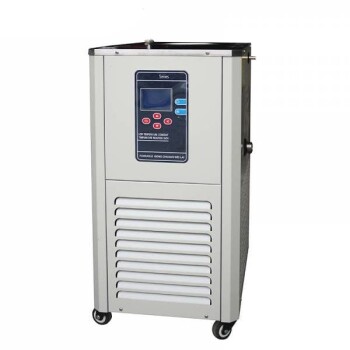
- 50L Chiller Water Bath Cooling Circulator Low Temperature Constant Temperature Reaction Bath
- 10L Heating Chilling Circulator Cooling Water Bath Circulator for High and Low Temperature Constant Temperature Reaction
People Also Ask
- What physical conditions does a shaking incubator provide for bioethanol fermentation? Optimize Yeast Productivity
- Why is the mechanical agitation provided by a shaking incubator necessary for the enzymatic hydrolysis of biomass?
- What critical reaction conditions does a shaking incubator provide? Optimize Cassava Cellulose Enzymatic Hydrolysis
- What are the primary functions of a shaking incubator? Optimize Biomass Fenton Pretreatment Efficiency
- What function does a laboratory shaking incubator serve for halophilic archaea? Optimize Your Seed Cultivation Today