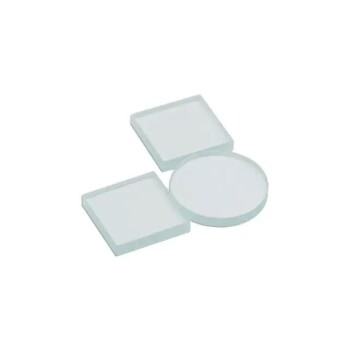
Precision surface modification is the key. A specialized gas treatment reactor improves glass properties by orchestrating a controlled reaction between sulfur dioxide (SO2) vapor and the glass surface. This interaction targets sodium oxide within the glass to create a protective thin film known as sulfur bloom, which significantly increases the material's chemical stability and physical wear resistance.
By reacting SO2 with sodium oxide, the reactor facilitates the formation of a "sulfur bloom" coating. This process transforms vulnerable surfaces into robust, corrosion-resistant barriers essential for demanding medical and laboratory applications.
The Mechanics of Surface Reinforcement
Controlled Vapor Interaction
The reactor's primary function is to facilitate precise contact between the glass object and sulfur dioxide (SO2) vapor.
This controlled environment ensures uniform exposure, which is critical for achieving consistent material improvement across the entire surface area.
The Chemical Reaction
Upon contact, the SO2 vapor reacts specifically with sodium oxide present on the glass surface.
This chemical exchange is the fundamental driver of the sulfation process, effectively altering the surface chemistry of the material.
Formation of Sulfur Bloom
The reaction produces a thin, distinctive film known technically as sulfur bloom.
This film acts as a shielding layer that modifies the surface characteristics of the glass without compromising its overall structural shape.
Functional Improvements to the Material
Enhanced Chemical Stability
The primary benefit of this treatment is a drastic improvement in the glass's ability to resist chemical attack.
This creates a material capable of resisting corrosion, even when exposed to extreme chemical environments.
Increased Wear Resistance
Beyond chemical protection, the sulfur bloom layer enhances the physical durability of the surface.
This added wear resistance helps maintain the integrity of the glass during rigorous handling and repeated use.
Understanding the Trade-offs
Surface vs. Bulk Modification
It is important to recognize that this process modifies only the surface of the glass.
While the outer layer becomes highly resistant, the core material properties remain unchanged; if the surface is deeply scratched, the protection may be compromised.
Application Specificity
This treatment is highly specialized, targeting high-stakes contexts like medical vials and laboratory glassware.
For general-purpose applications where extreme corrosion resistance is not required, the complexity of this gas treatment may not be necessary.
Making the Right Choice for Your Goal
Understanding when to apply sulfurization is key to maximizing equipment longevity and safety.
- If your primary focus is corrosion resistance: Utilize this reactor process to create a chemical barrier on containers meant for storing reactive substances or medication.
- If your primary focus is equipment longevity: Apply this treatment to laboratory glassware to reinforce surfaces against wear from frequent usage.
By leveraging controlled gas treatment, you transform standard glass into a specialized material capable of withstanding the most demanding environments.
Summary Table:
| Feature | Glass Sulfurization/Sulfation Process | Benefit to Material |
|---|---|---|
| Key Reactant | Sulfur Dioxide (SO2) Vapor | Facilitates precise surface modification |
| Target Compound | Sodium Oxide in Glass | Triggers the formation of a protective film |
| Physical Result | "Sulfur Bloom" Formation | Creates a robust, corrosion-resistant barrier |
| Stability | Enhanced Chemical Resistance | Protects against extreme chemical environments |
| Durability | Increased Wear Resistance | Maintains surface integrity during rigorous use |
Elevate Your Material Performance with KINTEK
Unlock the full potential of your laboratory and medical glassware with KINTEK’s precision gas treatment solutions. As experts in high-temperature furnaces, high-pressure reactors, and specialized crushing systems, we provide the advanced tools necessary to achieve superior surface modification and material stability.
Whether you are developing corrosion-resistant medical vials or durable laboratory equipment, KINTEK offers a comprehensive range of solutions—from CVD/PECVD reactors to essential ceramics and crucibles—tailored to your specific research and production needs.
Ready to transform your glass properties? Contact KINTEK today to consult with our technical specialists and find the perfect reactor for your application!
References
- Bekir Karasu, Beyza Saricaoğlu. Cam Yüzey Kaplama Teknolojileri. DOI: 10.31202/ecjse.409685
This article is also based on technical information from Kintek Solution Knowledge Base .
Related Products
- Float Soda-Lime Optical Glass for Laboratory Use
- Mini SS High Pressure Autoclave Reactor for Laboratory Use
- Customizable Laboratory High Temperature High Pressure Reactors for Diverse Scientific Applications
- Customizable High Pressure Reactors for Advanced Scientific and Industrial Applications
People Also Ask
- What is organic thin film? A Guide to Engineered Molecular Layers for Advanced Tech
- What chemicals are used in heat treatment? Master the Quenching Process for Optimal Metal Properties
- What is diode sputtering? A Guide to the Fundamental Thin-Film Deposition Process
- What is the best solvent for FTIR? Master Solvent Selection for Clear, Accurate Spectra
- How do salt bridges and potassium chloride agar gels protect reference electrodes? Enhance Electrochemical Cell Stability