Selecting the correct rotary vane vacuum pump hinges primarily on the intensity of your usage requirements. For light-duty, infrequent tasks—such as running for 10–15 minutes a few times a day to reach rough vacuum (up to 1 Torr)—a low-cost unit is sufficient. However, for industrial systems requiring continuous, reliable uptime, you must invest in a heavy-duty industrial-grade pump designed to withstand constant operation.
The optimal pump selection requires balancing the duty cycle (how long and often it runs) with the specific chemical environment (what gases flow through it). Prioritizing upfront savings over chemical compatibility or flow capacity often leads to higher long-term maintenance costs and premature failure.
Analyzing Operational Intensity
The first filter for selection is the duration and frequency of operation. This dictates the build quality required for the pump.
Light-Duty Scenarios
For applications requiring only intermittent use, standard duty pumps are acceptable. If your process involves short cycles of 10 to 15 minutes, occurring only a few times per day, a lower-cost model will likely meet your needs.
Continuous Industrial Operations
Industrial environments that demand continuous suction cannot rely on standard light-duty equipment. In these scenarios, reliability is paramount. You must select a heavy-duty pump engineered to operate non-stop without overheating or degrading performance.
Evaluating Technical Specifications
Once the usage category is defined, you must match the pump's physical capabilities to the system's volume and pressure needs.
Flow Rate and Evacuation Speed
Flow rate directly correlates to the machine's draining time. You must assess both the volume flow rate (pumping speed) and the mass flow rate. A higher flow rate is essential for larger systems to reduce the time required to reach the desired vacuum level.
Required Vacuum Depth
Different applications demand drastically different pressure levels. Simple filtration tasks require significantly less vacuum than complex processes like molecular distillation. Ensure the pump is rated for the specific vacuum depth your application requires, rather than over-specifying for a depth you do not need.
Assessing Environmental and Chemical Compatibility
The interaction between the pump's internal materials and the gases being extracted is a critical failure point if ignored.
Chemical Resistance
You must analyze the compatibility of the gases or solvents in your application with the pump's materials. If you are processing corrosive materials, a standard pump will fail quickly. While initially more expensive, a corrosion-resistant pump is necessary to prevent operational issues and extend equipment life.
Handling Solvents and Moisture
Rotary vane pumps are generally effective for aqueous samples and high-boiling solvents. However, you should evaluate the need for accessories like cold traps or water traps to protect the pump intake. This is particularly important when solvents are involved to prevent contamination of the pump oil.
Understanding the Trade-offs
Rotary vane pumps offer a balance of high performance and low cost, but they come with specific operational requirements that must be managed.
Maintenance Overhead
These pumps rely on oil for airtightness, lubrication, and cooling. This necessitates a strict maintenance schedule. To minimize wear and maintain performance, the oil typically requires changing every 3,000 hours of use. You must factor the cost of consumables (oil) and labor into your Total Cost of Ownership (TCO).
Lubrication vs. Contamination risks
While oil-sealed pumps offer high efficiency and durability, the presence of oil can be a drawback in sensitive environments. In laboratory settings where absolute purity is required, the potential for oil backstreaming or mist might necessitate looking at dry pump alternatives, despite the rotary vane's efficiency advantages.
Making the Right Choice for Your Goal
To finalize your decision, align your selection with your primary constraint:
- If your primary focus is Budget and Intermittent Use: Select a standard low-cost pump, provided your cycles are short (10-15 mins) and infrequent.
- If your primary focus is Reliability and Uptime: Invest in a heavy-duty industrial pump capable of continuous operation to avoid costly downtime.
- If your primary focus is Chemical Resistance: Prioritize a corrosion-resistant model over standard units, even if the initial capital expenditure is higher.
- If your primary focus is Speed: Choose a pump with a high flow rate (up to 1,600 m³/h) to minimize the draining time for large system volumes.
The right pump is not the one with the highest specs, but the one that specifically matches your duty cycle and chemical environment.
Summary Table:
| Selection Factor | Light-Duty / Intermittent | Industrial / Continuous |
|---|---|---|
| Operation Time | 10–15 mins, few times a day | 24/7 continuous uptime |
| Build Quality | Standard, low-cost units | Heavy-duty, industrial-grade |
| Chemical Needs | Standard gases/solvents | Corrosion-resistant materials |
| Primary Goal | Budget & basic filtration | Reliability & high flow rates |
| Maintenance | Regular oil checks | Strict schedule (every 3,000 hrs) |
Optimize Your Vacuum Performance with KINTEK
Ensure your laboratory operations never skip a beat with KINTEK’s premium range of vacuum solutions. From standard rotary vane pumps for light-duty tasks to heavy-duty industrial systems and specialized high-temperature high-pressure reactors, we provide the precision and durability your research demands.
Whether you are setting up a battery research lab or require advanced CVD/PECVD furnace systems, our experts are ready to help you match the perfect equipment to your specific chemical environment and duty cycle. Don't let equipment failure slow you down.
Contact KINTEK Experts Today for a Tailored Consultation
Related Products
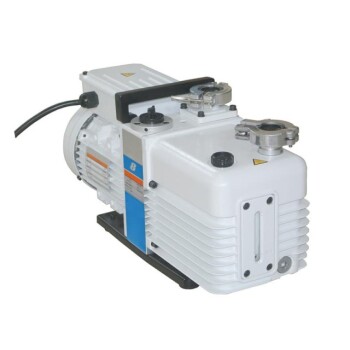
- Laboratory Rotary Vane Vacuum Pump for Lab Use
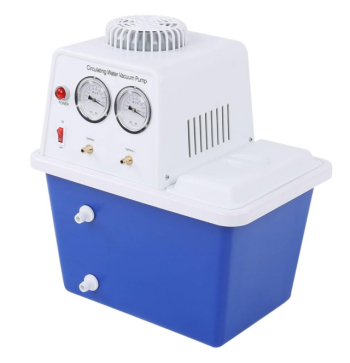
- Circulating Water Vacuum Pump for Laboratory and Industrial Use
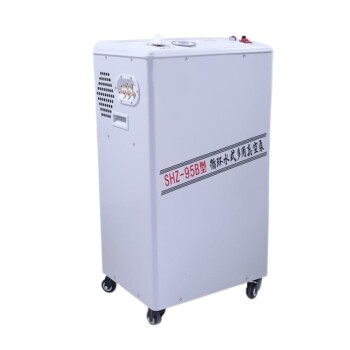
- Laboratory Vertical Water Circulating Vacuum Pump for Lab Use
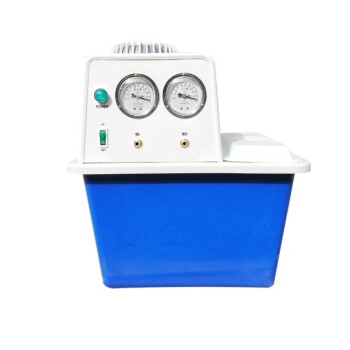
- Laboratory Benchtop Water Circulating Vacuum Pump for Lab Use
- Vacuum Sealed Continuous Working Rotary Tube Furnace Rotating Tube Furnace
People Also Ask
- What is the use of rotary vacuum pump? A Guide to Reliable Rough Vacuum for Labs & Industry
- What is the vacuum level of a rotary vacuum pump? Achieve Medium Vacuum for Your Lab or Industry
- What is the difference between a single-stage and a two-stage rotary vane pump? Choosing the Right Vacuum Depth
- How does the performance of single-stage and two-stage rotary vane pumps compare? Optimize Your Vacuum Efficiency
- How does a Rotary Vane Pump operate? Discover Efficient Vacuum Technology for Your Lab