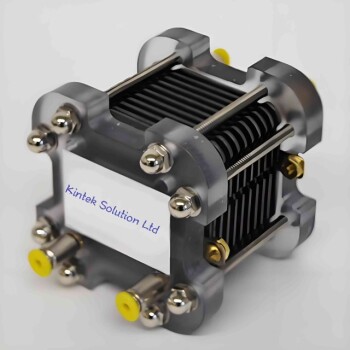
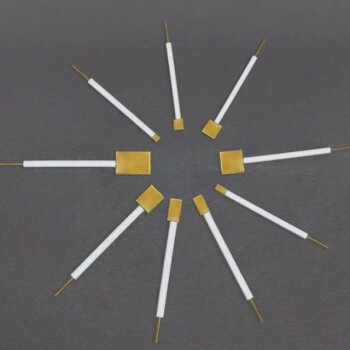
To maintain H-type electrolytic cell electrodes effectively, you must establish a strict regimen of regular cleaning, polishing, and calibration to counteract gradual wear and corrosion. Because physical integrity directly impacts electrical conductivity and accuracy, you must handle electrodes with extreme care during installation and removal to avoid structural damage.
Core Takeaway Electrodes are consumable components that degrade over time; their lifespan is maximized not just by careful use, but by proactive restoration. A consistent cycle of inspection, chemical cleaning, and protective storage is required to maintain the precise conductivity needed for accurate experimental data.
Routine Inspection and Physical Handling
Visual Assessment
Before and after every experiment, inspect the electrodes for signs of wear, deformation, or corrosion. Early detection of surface irregularities allows for remediation before they significantly impact your results.
Installation and Removal
Handle electrodes with extreme delicacy during installation and removal. Avoid collisions or scratching, as physical damage to the surface alters the active surface area and compromises performance.
Cleaning and Restoration Protocols
Surface Cleaning
Regularly clean the electrodes to remove surface dirt and reaction products that accumulate during use. Polishing may be required to restore the surface state, but this must be done carefully to avoid altering the electrode geometry.
Chemical Treatment for Noble Metals
For noble metal electrodes (such as platinum), utilize a chemical soak to strip contaminants. Soak the electrode in a dilute acid, such as 1M nitric acid, followed by a thorough rinse with deionized water to remove any acidic residue.
Calibration
Because wear affects performance, regularly calibrate the electrodes. This ensures that the electrical conductivity readings remain accurate despite the natural aging of the component.
Storage and Preservation
Preventing Oxidation
When not in use, protect metal electrodes prone to oxidation. Store them in a dry, oxygen-free environment or immerse them in a protective solution containing an antioxidant.
Environmental Control
Avoid prolonged exposure to air, water, or other corrosive substances when the electrode is idle. Store dried electrodes in a non-humid environment to prevent atmospheric deterioration.
Common Pitfalls to Avoid
Neglecting Performance Declines
Do not ignore subtle shifts in data accuracy. If an electrode’s performance declines noticeably after long-term use, it must be treated immediately or replaced; attempting to compensate via software or calculation often leads to erroneous data.
Improper Drying
Never store electrodes while they are still wet or contaminated with electrolytes. Ensure the electrode is completely dry before placing it in long-term storage to effectively halt corrosion processes.
Making the Right Choice for Your Goal
- If your primary focus is consistent daily data: Prioritize a clean-and-rinse routine (using deionized water) immediately after every single use to prevent contaminant buildup.
- If your primary focus is extending equipment lifespan: Prioritize protective storage, ensuring electrodes are kept in a dry, non-humid, or oxygen-free environment whenever the cell is idle for more than a few hours.
Treat your electrodes not as static hardware, but as sensitive instruments that require constant active preservation.
Summary Table:
| Maintenance Task | Frequency | Purpose |
|---|---|---|
| Visual Inspection | Before/After Use | Detect wear, deformation, or early corrosion |
| Chemical Cleaning | Regular Interval | Remove contaminants (e.g., using 1M nitric acid for platinum) |
| Polishing | As Needed | Restore surface state and active surface area |
| Calibration | Periodic | Ensure accuracy of electrical conductivity readings |
| Dry Storage | When Idle | Prevent oxidation and atmospheric deterioration |
Maximize Your Research Precision with KINTEK
Don't let electrode degradation compromise your experimental data. KINTEK specializes in high-performance laboratory solutions, offering a comprehensive range of electrolytic cells, electrodes, and battery research tools designed for durability and accuracy. Whether you need advanced high-temperature furnaces, hydraulic presses, or specialized consumables like PTFE and ceramics, our experts are here to support your lab's success.
Ready to upgrade your electrochemical setup? Contact us today to find the perfect equipment for your application!
Related Products
- H Type Electrolytic Cell Triple Electrochemical Cell
- H-Type Double-Layer Optical Electrolytic Electrochemical Cell with Water Bath
- Electrolytic Electrochemical Cell Gas Diffusion Liquid Flow Reaction Cell
- Electrolytic Electrochemical Cell with Five-Port
- Quartz Electrolytic Electrochemical Cell for Electrochemical Experiments
People Also Ask
- What is a H type cell? A Guide to Divided Electrochemical Cells for Accurate Experiments
- How should the electrolyte be prepared and added to the H-type electrolytic cell? Best Practices for Purity and Safety
- What is the technical necessity of using an H-type electrolytic cell for NO3RR tests? Protect Your Ammonia Yields
- How does the design of an H-type electrolytic cell benefit the neutral water electrolysis process for metal recovery?
- What is the primary function of an H-type electrolytic cell in NitRR? Ensure Accurate Product Yields