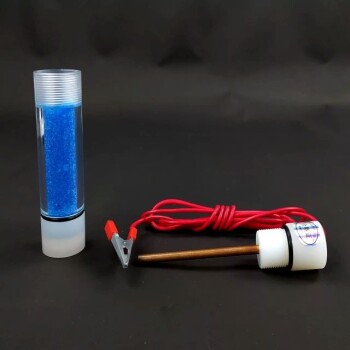
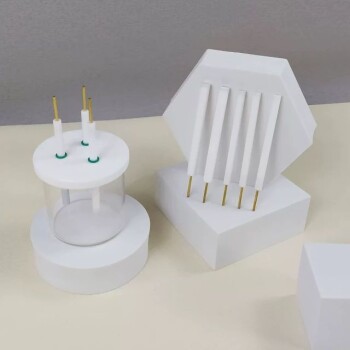
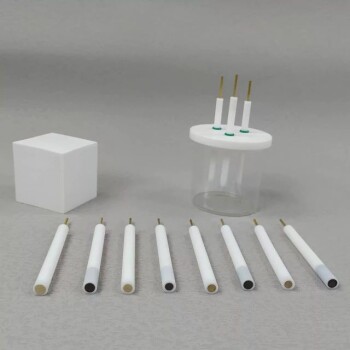
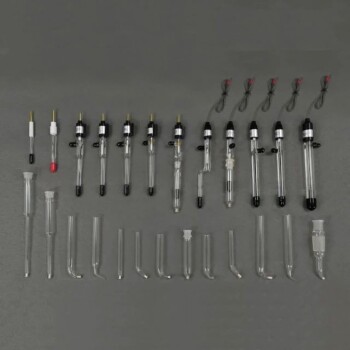
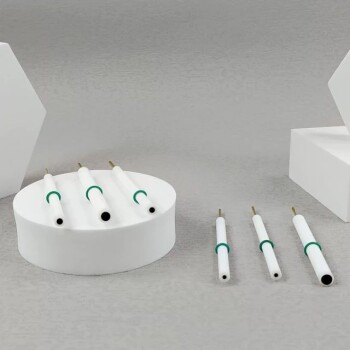
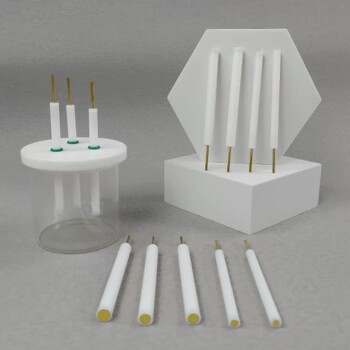
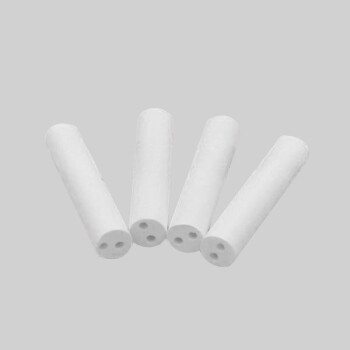
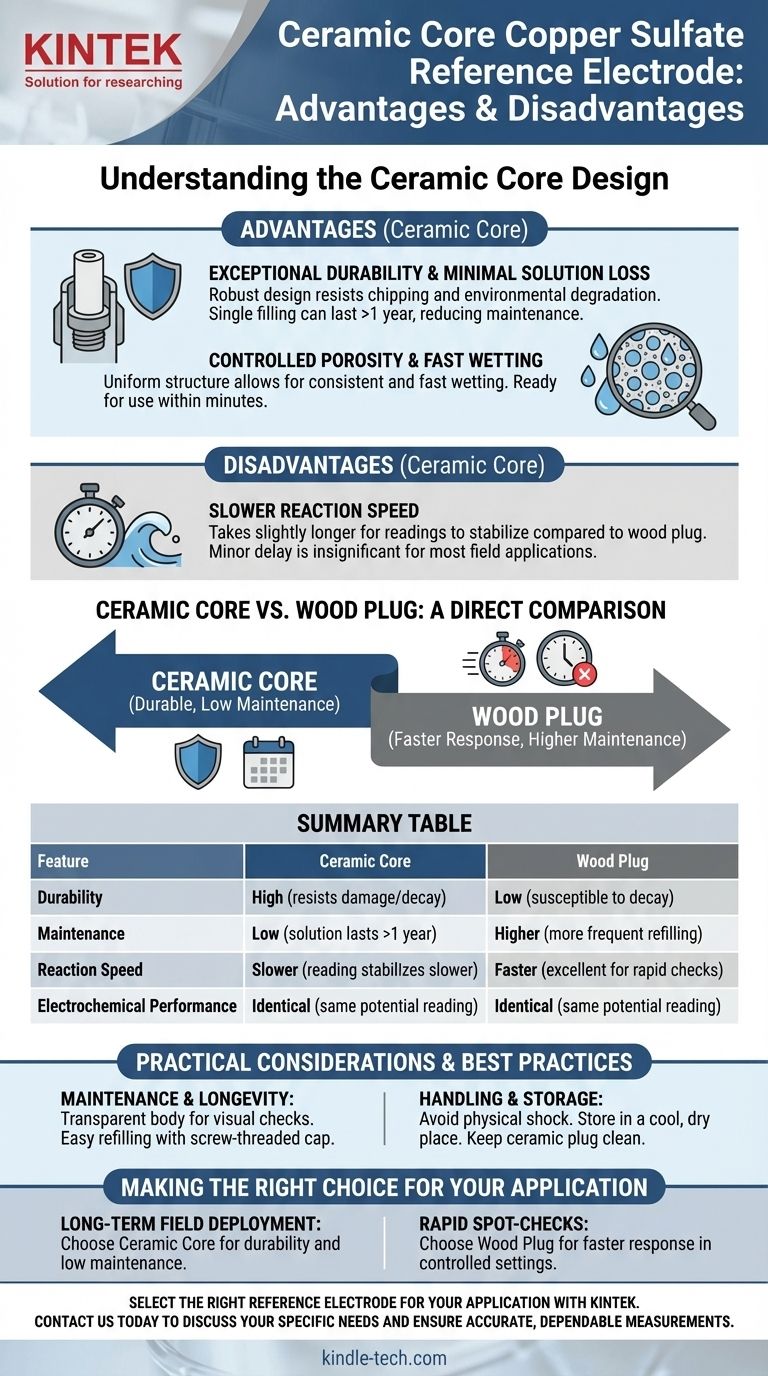
The primary advantage of a ceramic core copper sulfate reference electrode is its exceptional durability and minimal loss of the internal solution over time. This design ensures a long service life with low maintenance. Its main disadvantage is a slightly slower reaction speed when taking measurements compared to its wood plug counterpart.
The choice between a ceramic core and a wood plug electrode is not about electrochemical accuracy—their performance is identical—but about a practical trade-off. You are choosing between the long-term, low-maintenance durability of ceramic and the faster response time of a wood plug.
Understanding the Ceramic Core's Design
A copper sulfate reference electrode provides a stable potential, which is essential for accurate measurements in applications like cathodic protection surveys. The core, or plug, is the component that creates the liquid junction with the electrolyte (e.g., soil).
Key Advantage: Durability and Solution Retention
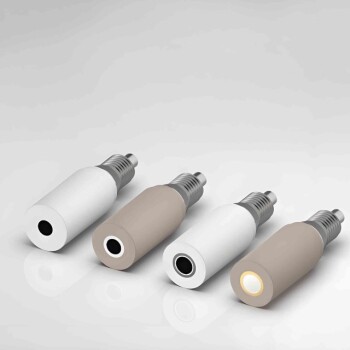
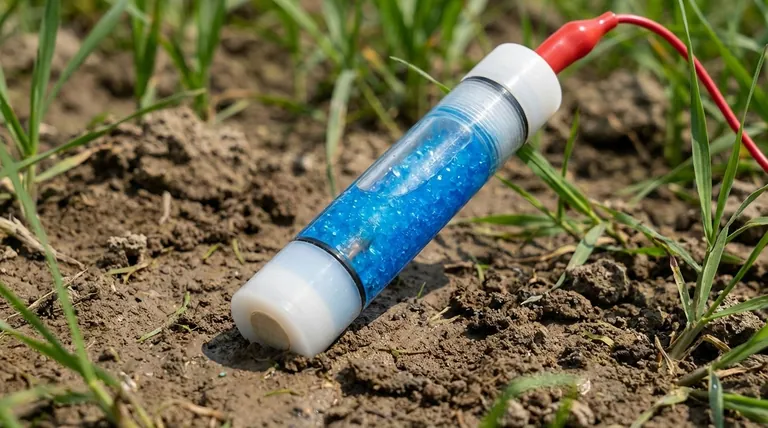
The ceramic material is inherently robust and is often housed in a high-density polythene fitting to protect it from being chipped or broken in the field.
This robust design significantly minimizes the loss of the internal copper sulfate solution. A single filling can often last for more than a year, reducing maintenance frequency.
Key Advantage: Controlled Porosity and Fast Wetting
Modern ceramic plugs have a uniform and controlled porosity. This structure allows for fast and consistent wetting.
An electrode with a quality ceramic plug can be ready for use within minutes of being filled, a significant advantage over older designs that could take hours to stabilize.
Primary Disadvantage: Slower Reaction Speed
The main trade-off for the ceramic core's durability is a slightly slower reaction speed compared to a wood plug.
This means it may take a few moments longer for the reading to stabilize when you place the electrode to take a measurement. For most field applications, this minor delay is insignificant.
Ceramic Core vs. Wood Plug: A Direct Comparison
Understanding the alternative—the wood plug electrode—helps clarify the ceramic core's specific benefits and drawbacks.
Electrochemical Performance
Critically, the fundamental electrochemical performance of both the ceramic and wood plug types is identical. They will provide the same potential reading under the same conditions.
Durability and Environmental Resistance
The ceramic core is far more resistant to environmental degradation. In contrast, a wood plug is susceptible to damage and decay from environmental factors, potentially leading to a shorter operational life.
Reaction Speed and Liquid Penetration
The wood plug's main advantage is its faster reaction speed and excellent liquid penetration. This can be beneficial for taking many rapid, successive measurements.
Practical Considerations and Best Practices
Proper handling is crucial for ensuring the longevity and accuracy of any reference electrode.
Maintenance and Longevity
The transparent body of the electrode allows for easy visual confirmation that the internal copper sulfate solution is saturated.
A screw-threaded cap and chamber make refilling the solution simple. As long as the electrode body remains undamaged, it can be refilled multiple times for years of service.
Handling and Storage
Avoid dropping, squeezing, or subjecting the electrode to physical shock. Damage to the body or the ceramic tip can render it useless.
When not in use, store the electrode in a cool, dry place away from direct sunlight. To maintain performance, ensure the porous ceramic plug does not become clogged with dirt or debris.
Testing and Calibration
Periodically test the electrode's performance by measuring its potential in a standard solution. If the reading deviates significantly from the known value, the electrode may require cleaning, refilling, or replacement.
Making the Right Choice for Your Application
Selecting the correct electrode type depends entirely on your operational needs and the measurement environment.
- If your primary focus is long-term field deployment or use in harsh environments: The ceramic core is the superior choice due to its durability, resistance to damage, and low maintenance requirements.
- If your primary focus is rapid spot-checks in a controlled or laboratory setting: The wood plug's faster response time might offer a marginal advantage, provided the risk of physical damage is low.
Ultimately, understanding this core trade-off between durability and response speed empowers you to select the most reliable tool for the job.
Summary Table:
| Feature | Ceramic Core | Wood Plug |
|---|---|---|
| Durability | High (resists damage/decay) | Low (susceptible to decay) |
| Maintenance | Low (solution lasts >1 year) | Higher (more frequent refilling) |
| Reaction Speed | Slower (reading stabilizes slower) | Faster (excellent for rapid checks) |
| Electrochemical Performance | Identical (same potential reading) | Identical (same potential reading) |
| Best For | Long-term field/harsh environments | Rapid spot-checks in controlled settings |
Select the Right Reference Electrode for Your Application with KINTEK
Choosing between a ceramic core and a wood plug electrode is a critical decision that impacts the efficiency and longevity of your cathodic protection or laboratory measurements. KINTEK specializes in providing high-quality laboratory equipment and consumables, including durable reference electrodes designed for reliability in the field.
We can help you:
- Maximize Uptime: Our ceramic core electrodes offer exceptional durability and minimal maintenance, perfect for long-term deployments.
- Enhance Efficiency: If rapid measurements are your priority, we can advise on the best tool for the job.
Let our experts guide you to the most reliable solution. Contact KINTEK today to discuss your specific needs and ensure accurate, dependable measurements.
Visual Guide
Related Products
- Copper Sulfate Reference Electrode for Laboratory Use
- Rotating Platinum Disk Electrode for Electrochemical Applications
- Metal Disc Electrode Electrochemical Electrode
- Reference Electrode Calomel Silver Chloride Mercury Sulfate for Laboratory Use
- Glassy Carbon Electrochemical Electrode
People Also Ask
- What is the expected lifespan of a copper sulfate reference electrode? Maximize Longevity with Proper Maintenance
- What is the operating principle of a copper sulfate reference electrode? Reliable Potential Measurement Explained
- What are the advantages and disadvantages of the wood plug type copper sulfate reference electrode? Speed vs. Durability Explained
- Is there a difference in performance between wood plug and ceramic core copper sulfate electrodes? Speed vs. Durability Explained
- What are the post-treatment procedures after using a copper sulfate reference electrode? Essential Steps for Accuracy & Longevity