To design a corrosion-resistant autoclave for fluoride salt high-pressure leaching, you must prioritize the integration of specialized protective linings or advanced alloy materials capable of withstanding aggressive fluoride ion attack. While the vessel must structurally support high-pressure operations at temperatures between 180–230 °C, the defining requirement is chemical inertness to prevent rapid degradation of the equipment during the extraction process.
Core Takeaway The presence of fluoride ions creates a chemical environment significantly more aggressive than standard alkaline leaching. Therefore, the critical design success factor is selecting materials that separate structural pressure containment from chemical resistance, ensuring the vessel can safely achieve 99.5% leaching rates without structural compromise.
Managing the Corrosive Environment
The Fluoride Corrosion Challenge
Leaching scheelite with sodium fluoride (NaF) introduces free fluoride ions into the system.
This creates an extremely corrosive environment that will rapidly attack standard pressure vessel steels.
Specialized Material Selection
To counter this, the autoclave design must incorporate specialized materials or linings.
These barriers act as the primary defense, isolating the structural shell of the autoclave from the corrosive slurry.
The selection of these materials is non-negotiable for ensuring the safety and longevity of the equipment.
Operational Parameters and Kinetics
Temperature and Pressure Requirements
While chemical resistance is paramount, the vessel must also maintain high-performance operating conditions.
The design must withstand temperatures typically ranging from 180–230 °C, along with the corresponding saturated steam pressures.
Enhancing Reaction Kinetics
These aggressive thermal and pressure conditions are necessary to break down the stable crystal structure of scheelite.
The autoclave design must facilitate efficient heat transfer to ensure reaction kinetics are fast enough to convert insoluble calcium tungstate (CaWO4) into soluble sodium tungstate.
Process Efficiency and Output
Maximizing Leaching Rates
The mechanical design of the autoclave must support adequate agitation and residence time to achieve high efficiency.
A properly designed system should support a tungsten leaching rate of approximately 99.5%.
Closed-Loop Resource Utilization
The equipment must also accommodate the chemical conversion of by-products.
Specifically, the design should facilitate the precipitation of industrial-grade calcium fluoride (CaF2), enabling a closed-loop process that reduces waste.
Understanding the Trade-offs
Complexity vs. Durability
Adding specialized linings increases the complexity of fabrication and maintenance compared to standard steel vessels.
However, omitting these protections in a fluoride environment results in immediate and catastrophic corrosion failures.
Investment vs. Operational Cost
High-performance corrosion-resistant materials require a higher initial capital investment.
This cost is offset by extended equipment lifespan and the ability to process complex or low-grade concentrates with high recovery rates.
Making the Right Choice for Your Goal
To ensure your autoclave meets project requirements, evaluate your specific priorities:
- If your primary focus is Equipment Longevity: Prioritize the quality and thickness of the corrosion-resistant lining, as this is the single point of failure against fluoride attack.
- If your primary focus is Process Efficiency: Ensure the vessel geometry and agitation system are optimized for heat transfer at 180–230 °C to maximize reaction kinetics.
The ultimate goal is to balance structural integrity with chemical resistance to create a safe, high-yield extraction system.
Summary Table:
| Feature | Design Requirement | Impact on Leaching |
|---|---|---|
| Material | Fluoride-resistant linings or advanced alloys | Prevents vessel degradation and structural failure |
| Temperature | 180–230 °C Operating Range | Accelerates reaction kinetics to break crystal structures |
| Pressure | High-pressure saturated steam containment | Supports high-temperature aqueous extraction |
| Agitation | High-efficiency mechanical mixing | Ensures uniform heat transfer and >99.5% leaching rates |
| By-product | Closed-loop CaF2 precipitation support | Reduces waste and enables resource recycling |
Maximize Your Recovery with KINTEK Precision Engineering
Protect your investment and achieve industry-leading leaching rates with KINTEK’s specialized high-pressure equipment. Whether you are processing complex scheelite concentrates or managing aggressive fluoride environments, our team delivers the durability you need. KINTEK specializes in high-temperature high-pressure reactors and autoclaves, alongside a comprehensive range of laboratory equipment including muffle furnaces, crushing systems, and hydraulic presses.
Ready to upgrade your extraction process? Contact us today to discuss how our corrosion-resistant solutions and essential consumables like PTFE and ceramics can enhance your laboratory's efficiency and safety.
References
- Xinran Li, Zexi Gong. Leaching of Scheelite Concentrate for Tungsten Extraction. DOI: 10.3390/min15050475
This article is also based on technical information from Kintek Solution Knowledge Base .
Related Products
- Stainless High Pressure Autoclave Reactor Laboratory Pressure Reactor
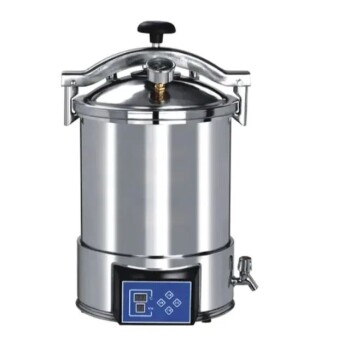
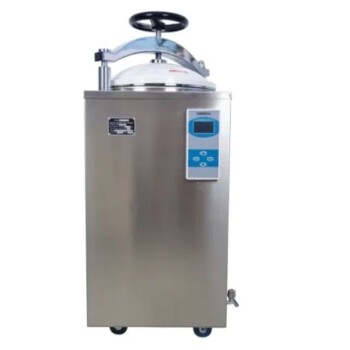
- Portable High Pressure Laboratory Autoclave Steam Sterilizer for Lab Use
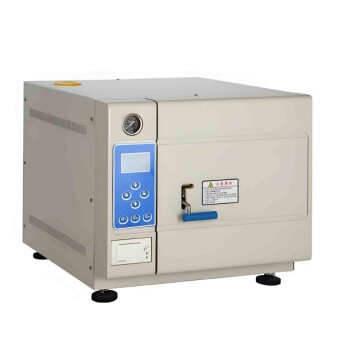
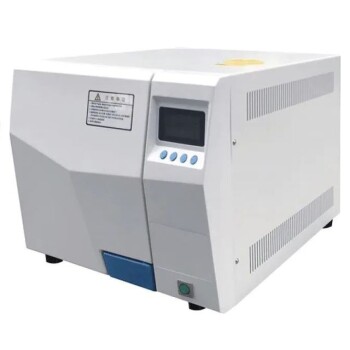
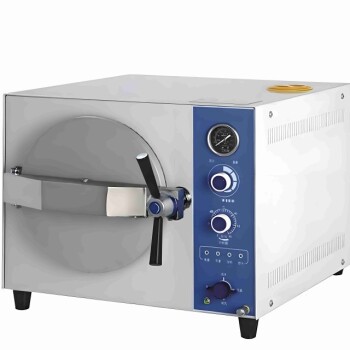
- Desktop Fast High Pressure Laboratory Autoclave Sterilizer 16L 24L for Lab Use
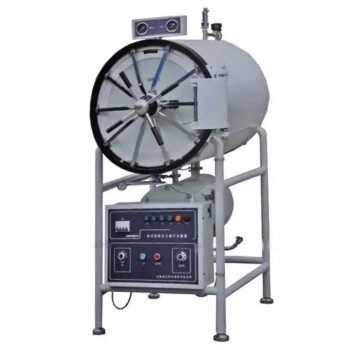
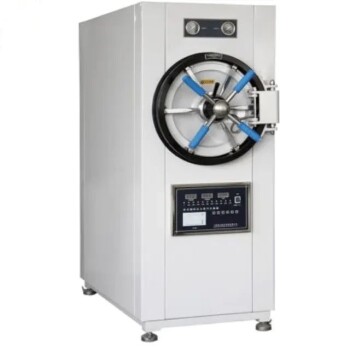
- Laboratory High Pressure Horizontal Autoclave Steam Sterilizer for Lab Use
- Mini SS High Pressure Autoclave Reactor for Laboratory Use
People Also Ask
- Why is a laboratory high-pressure reactor used in the hydrothermal synthesis of hydroxyapatite catalysts?
- What role does a laboratory high-pressure reactor play in the leaching process of spent cathode materials? Optimize Recovery
- Why is a laboratory high-pressure reactor necessary for synthesizing fly ash-based zeolite? Achieve Pure Crystallization
- What conditions do laboratory high-pressure reactors provide for HTC? Optimize Your Biochar Production Processes
- What is the function of a high-pressure reactor autoclave? Enhancing Cu/N Co-Doped Carbon Catalyst Synthesis