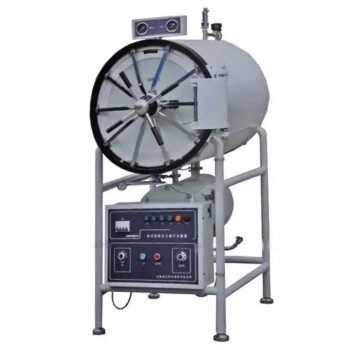
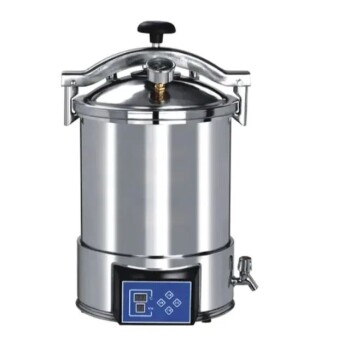
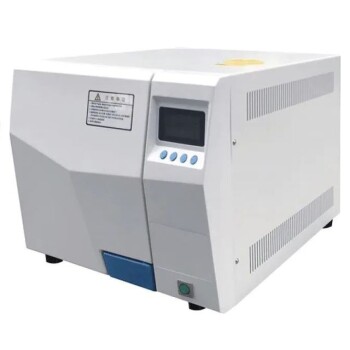
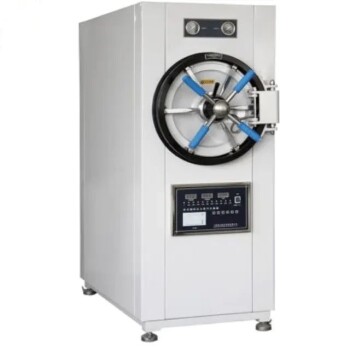
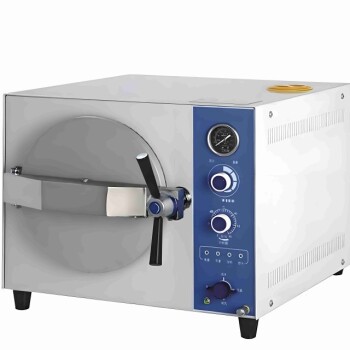
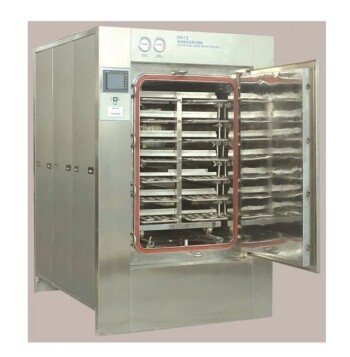
In Lead-Bismuth Eutectic (LBE) corrosion experiments, the integrity of your data depends on separating structural strength from chemical isolation. A stainless steel high-pressure autoclave functions as the structural vessel, creating a sealed, constant-temperature, and pressure-bearing environment. Inside this vessel, a high-purity alumina liner acts as a critical barrier, physically isolating the corrosive liquid LBE to prevent it from dissolving the autoclave walls and contaminating the experiment.
The success of an LBE experiment relies on the symbiosis of these two components: the autoclave handles the physical stress of the environment, while the alumina liner guarantees the chemical validity of the results by preventing cross-contamination.
The Role of the Stainless Steel Autoclave
Creating the Physical Environment
The primary function of the stainless steel autoclave is to provide a robust pressure-bearing vessel. It allows researchers to establish and maintain the specific high-pressure conditions required for the test without structural failure.
Thermal Regulation and Containment
The autoclave maintains a constant-temperature sealed environment. It acts as the outer shell that contains the entire experiment, ensuring that hazardous liquid metals are securely enclosed while sustaining the thermal conditions necessary to simulate nuclear reactor coolants.
The Critical Functions of the Alumina Liner
Acting as a Chemical Barrier
The high-purity alumina liner serves as the primary physical barrier between the liquid metal and the steel vessel. LBE is highly dissolvable and aggressive; without this liner, the liquid alloy would directly contact and corrode the inner walls of the autoclave.
Preserving Equipment Integrity
By preventing direct contact, the liner protects the expensive stainless steel autoclave from severe damage. This extends the lifespan of the experimental vessel and ensures safety by preventing structural degradation caused by liquid metal corrosion.
Eliminating Impurity Contamination
Crucially, the liner prevents metal elements from the autoclave (such as iron, nickel, or chromium) from dissolving into the LBE pool. If these impurities were to enter the liquid metal, they would alter its chemical composition.
Ensuring Data Accuracy
High-purity alumina (typically >99.7%) exhibits excellent chemical stability at temperatures between 500°C and 600°C. Because it does not react with LBE, it ensures that the corrosion data collected reflects only the interaction between the pure LBE and the sample materials (e.g., T91 or HT9), rather than artifacts caused by a contaminated testing environment.
Understanding the Trade-offs
Mechanical Brittleness of Liners
While chemically superior, alumina is a ceramic and inherently brittle. Unlike the stainless steel autoclave, the liner cannot withstand high tensile stress or rapid mechanical shock. It relies entirely on the autoclave for structural support.
Thermal Shock Sensitivity
Alumina liners can be susceptible to thermal shock. Rapid heating or cooling cycles within the autoclave must be managed carefully, as extreme temperature gradients can cause the ceramic liner to crack, potentially exposing the autoclave walls to the LBE.
Sealing Complexity
Using a liner introduces complexity to the sealing mechanism. The system must ensure a perfect seal to maintain pressure within the autoclave while ensuring the liner remains intact to hold the liquid. A failure in the liner transforms a controlled experiment into a potential equipment hazard.
Making the Right Choice for Your Goal
When designing your LBE corrosion tests, consider how these components interact to serve your specific objectives:
- If your primary focus is Equipment Longevity: Prioritize the integrity of the alumina liner, as it is the only defense preventing the aggressive LBE from effectively destroying your stainless steel pressure vessel.
- If your primary focus is Data Fidelity: Ensure your liner utilizes high-purity alumina (>99.7%), as lower grades may introduce their own impurities, defeating the purpose of isolating the LBE from the steel vessel.
The autoclave provides the muscle to hold the pressure, but the liner provides the purity required for scientific truth.
Summary Table:
| Component | Primary Function | Key Advantage |
|---|---|---|
| Stainless Steel Autoclave | Structural Vessel | Provides pressure-bearing containment and thermal regulation. |
| Alumina Liner (>99.7%) | Chemical Barrier | Prevents LBE corrosion of vessel walls and eliminates sample contamination. |
| The Synergy | System Integrity | Balances mechanical strength with chemical stability for accurate results. |
Maximize Your Research Accuracy with KINTEK
Precise corrosion data in Lead-Bismuth Eutectic (LBE) studies requires the perfect balance of structural strength and chemical isolation. KINTEK specializes in advanced laboratory solutions, offering robust high-temperature high-pressure reactors and autoclaves paired with premium high-purity alumina liners, ceramics, and crucibles. Our equipment is designed to withstand aggressive liquid metals while protecting your investment and ensuring the purity of your experimental results.
Ready to upgrade your laboratory’s testing capabilities? Contact KINTEK today to discover how our high-performance furnaces, pressure vessels, and specialized consumables can enhance your research efficiency and data reliability.
References
- Evangelia Charalampopoulou, Rémi Delville. Early stages of dissolution corrosion in 316L and DIN 1.4970 austenitic stainless steels with and without anticorrosion coatings in static liquid lead-bismuth eutectic (LBE) at 500 °C. DOI: 10.1016/j.matchar.2021.111234
This article is also based on technical information from Kintek Solution Knowledge Base .
Related Products
- Stainless High Pressure Autoclave Reactor Laboratory Pressure Reactor
- Mini SS High Pressure Autoclave Reactor for Laboratory Use
- Desktop Fast High Pressure Laboratory Autoclave Sterilizer 16L 24L for Lab Use
- Laboratory High Pressure Horizontal Autoclave Steam Sterilizer for Lab Use
- Portable High Pressure Laboratory Autoclave Steam Sterilizer for Lab Use
People Also Ask
- Why is a laboratory high-pressure reactor used in the hydrothermal synthesis of hydroxyapatite catalysts?
- What role does a laboratory high-pressure reactor play in the leaching process of spent cathode materials? Optimize Recovery
- Why is a laboratory high-pressure reactor necessary for synthesizing fly ash-based zeolite? Achieve Pure Crystallization
- What conditions do laboratory high-pressure reactors provide for HTC? Optimize Your Biochar Production Processes
- What is the function of a high-pressure reactor autoclave? Enhancing Cu/N Co-Doped Carbon Catalyst Synthesis