The integration of high-speed shear systems with chemical catalysts offers a distinct process advantage by creating a synergistic effect known as "nanoscale shear-hybrid alkaline pretreatment." This approach leverages intense mechanical forces to physically disrupt biomass while simultaneously applying chemical energy, resulting in a significantly more thorough degradation of the lignocellulosic structure than either method could achieve in isolation.
By combining the physical stress of high-speed shearing with the molecular breakdown of chemical catalysis, this hybrid process thoroughly opens biomass cell walls. This deep structural disruption is the key factor driving significantly higher conversion efficiencies.
The Mechanics of the Synergy
The Role of High-Speed Shear
High-speed shear systems are the mechanical engine of this process. They generate powerful shearing forces designed to physically stress the biomass.
This mechanical action does not just mix the material; it actively disrupts the robust physical architecture of the plant matter. By subjecting the biomass to intense shear, the system prepares the material for deeper chemical interaction.
The Role of Chemical Catalysts
While mechanical shear addresses the physical structure, chemical catalysts provide the necessary chemical energy.
These catalysts attack the lignocellulosic bonds at a molecular level. In a standard setup, chemicals might struggle to penetrate dense biomass, but the hybrid approach changes this dynamic.
How They Work Together
The true advantage lies in the simultaneous application of these forces. The mechanical shear forces "open up" the cell walls, creating pathways for the chemical catalysts to enter.
This allows the chemical energy to act more effectively on the internal structure of the biomass. The result is a unified degradation process that is far more effective than sequential or separate treatments.
Key Process Advantages
Thorough Cell Wall Disruption
The primary outcome of this synergy is that the cell walls of the biomass are opened more thoroughly.
Standard mechanical grinding or simple chemical soaking often leaves parts of the structure intact. The shear-hybrid approach ensures that the recalcitrant structure of lignocellulose is breached, exposing the valuable components inside.
Higher Conversion Efficiencies
Because the structure is degraded more effectively, downstream processes can access more of the biomass.
The reference highlights that this leads to significantly higher conversion efficiencies. Essentially, you extract more value from the same amount of raw material because the pretreatment leaves less waste behind.
Understanding the Trade-offs
Complexity of Operation
While the results are superior, combining high-speed mechanical systems with active chemical environments introduces operational complexity. You are no longer managing just a mixing tank or a chemical reactor, but a high-energy hybrid system.
Balancing Mechanical and Chemical Inputs
Success relies on the correct balance of force and chemistry. Relying too heavily on shear might consume excess energy, while over-relying on chemicals ignores the benefits of the physical breach. The system requires precise calibration to maintain the synergy described in the primary reference.
Making the Right Choice for Your Goal
To determine if nanoscale shear-hybrid alkaline pretreatment is the right solution for your process, consider your specific efficiency targets.
- If your primary focus is maximizing yield: Implement this hybrid system to ensure the deepest possible structural degradation and highest conversion rates.
- If your primary focus is process intensity: Utilize the high-speed shear capabilities to aggressively open cell walls, reducing the reliance on passive chemical soaking times.
This hybrid approach represents a definitive step forward in converting stubborn lignocellulosic biomass into usable products.
Summary Table:
| Feature | High-Speed Shear (Mechanical) | Chemical Catalysts (Molecular) | Hybrid Synergy |
|---|---|---|---|
| Function | Physical disruption of cell walls | Molecular bond degradation | Simultaneous physical & chemical attack |
| Impact | Opens recalcitrant structures | Penetrates internal biomass | Deep, thorough structural disruption |
| Efficiency | Moderate (Surface level) | Low (Slow penetration) | Significantly Higher Conversion |
| Key Benefit | Reduced particle size | Lignin/Hemicellulose removal | Maximum material value extraction |
Revolutionize Your Biomass Processing with KINTEK
Unlock the full potential of your lignocellulosic research with KINTEK’s high-performance laboratory equipment. Whether you are developing nanoscale shear-hybrid pretreatments or optimizing downstream conversion, our precision tools provide the reliability you need.
Our specialized portfolio includes:
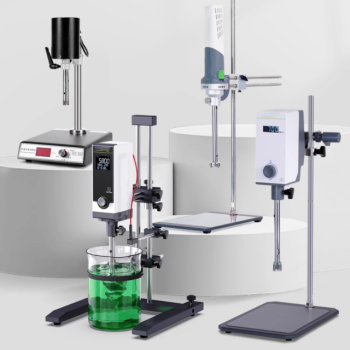
- Advanced Homogenizers & Shakers: Achieve the intense high-speed shear required for cell wall disruption.
- High-Temperature & High-Pressure Reactors: Perfectly manage chemical catalytic environments.
- Crushing & Milling Systems: Essential for preparing biomass for intensive pretreatment.
- Precision Consumables: High-quality PTFE products, ceramics, and crucibles to withstand aggressive chemical reactions.
From battery research to advanced chemical engineering, KINTEK empowers laboratories to reach higher conversion efficiencies and superior material yields. Ready to upgrade your lab's capabilities? Contact our technical experts today to find the perfect equipment solution for your specific application.
References
- Abidemi Oluranti Ojo. An Overview of Lignocellulose and Its Biotechnological Importance in High-Value Product Production. DOI: 10.3390/fermentation9110990
This article is also based on technical information from Kintek Solution Knowledge Base .
Related Products
- High Shear Homogenizer for Pharmaceutical and Cosmetic Applications
- Benchtop High Speed Small Lab Centrifuge for Serum Separation and Low Temperature Dehydration
- High-Speed Desktop Centrifuge for Blood Sample Processing
- Laboratory Benchtop High Speed Small Centrifuge for Low Temp Serum Separation Dehydration Research
- Spark Plasma Sintering Furnace SPS Furnace
People Also Ask
- Why Use a High Shear Homogenizer for Cathode Slurries? Optimize Double-Layer Solid-State Battery Production
- What is the function of high-shear dispersion equipment in corona-resistant nanocomposites? Elevate Your Insulation
- What is the necessity of using an industrial-grade high-shear homogenizer for biomass washing? Ensure Process Efficiency
- What are the advantages of using a high-shear homogenizer for BED/GMA coatings? Achieve Superior Nano-Dispersion
- What role does a high-shear homogenizer play in ODC catalyst suspensions? Unlock Superior Electrochemical Efficiency