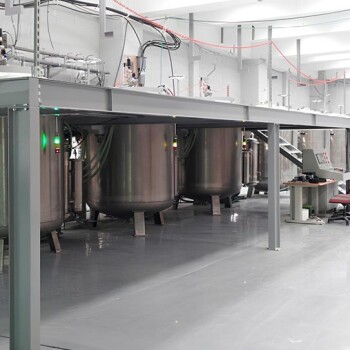
Hydrothermal carbonization (HTC) creates a distinct operational advantage by utilizing the moisture in spent mushroom substrate as a reaction medium rather than treating it as a contaminant. By processing biomass in a subcritical water environment, HTC eliminates the energy-intensive pre-drying stage that is mandatory for traditional dry pyrolysis, significantly streamlining the workflow for wet feedstocks.
The Core Insight While dry pyrolysis requires moisture removal to function, a hydrothermal carbonization reactor leverages high pressure and subcritical water to drive dehydration and decarboxylation. This not only lowers energy consumption but creates a "hydrochar" with superior surface chemistry and porosity, making it chemically distinct from standard biochar.
Operational Efficiency: Bypassing the Drying Penalty
Elimination of Pre-Drying
For high-moisture biomass like spent mushroom substrate, traditional dry pyrolysis is energetically costly because the water must be evaporated first. HTC reactors solve this by processing the substrate directly in a wet state.
The Subcritical Water Environment
The reactor operates as a sealed system, creating a subcritical water environment. This allows the water already present in the mushroom substrate to act as a solvent and catalyst for the conversion process.
Lower Temperature Requirements
HTC typically operates at approximately 180°C, which is significantly lower than the temperatures required for dry pyrolysis. This reduction in thermal demand contributes to the overall energy efficiency of the conversion process.
Product Quality: Enhanced Surface Chemistry
Improved Adsorption Capability
The hydrochar produced via HTC exhibits a well-developed pore structure and a high density of surface oxygen-containing functional groups. This structure significantly enhances the material's ability to adsorb heavy metal ions, such as Cadmium (Cd2+), from aqueous solutions.
Richer Functional Groups
Unlike the char from dry pyrolysis, hydrochar is rich in aromatic and oxygen-centered functional groups. These groups are critical for environmental applications, serving as active sites that improve the efficiency of the material as an adsorbent.
Superior Combustion Properties
For biofuel applications, the HTC process facilitates decarbonization and dehydration reactions that upgrade the fuel quality. The resulting solid fuel has a higher heating value and requires lower activation energy for combustion, making it a more efficient energy source than the raw substrate.
Understanding the Trade-offs
High-Pressure Requirements
While HTC saves energy on drying, it introduces the complexity of managing high pressure. To maintain the subcritical state at 180°C, the reactor must sustain autogenous pressures ranging from 2 to 10 MPa.
Equipment Complexity
The need for a sealed, high-pressure vessel requires more robust engineering compared to simple atmospheric kilns used in some dry pyrolysis methods. Operators must account for the safety protocols and capital expenditures associated with pressurized liquid-phase reactors.
Making the Right Choice for Your Goal
To maximize the value of your spent mushroom substrate, align your reactor choice with your specific end-product requirements:
- If your primary focus is Adsorbent Production: Choose HTC to maximize the density of oxygen-containing functional groups and pore development for superior heavy metal removal.
- If your primary focus is Energy Efficiency: Choose HTC to eliminate the cost of drying wet mushroom substrate and to produce a fuel with lower combustion activation energy.
Ultimately, the hydrothermal carbonization reactor transforms the liability of moisture into an asset, producing a chemically superior hydrochar for both fuel and environmental applications.
Summary Table:
| Feature | Hydrothermal Carbonization (HTC) | Dry Pyrolysis |
|---|---|---|
| Feedstock State | Wet (No pre-drying required) | Dry (Requires energy-intensive drying) |
| Typical Temp. | ~180°C (Lower thermal demand) | 300°C - 700°C (Higher energy) |
| Reaction Medium | Subcritical water (Solvent/Catalyst) | Inert atmosphere (Gas-phase) |
| Product Type | Hydrochar (Rich in functional groups) | Biochar (Higher fixed carbon) |
| Main Advantage | Energy efficient for wet biomass | High carbon stability |
| Key Application | High-efficiency adsorbents & biofuels | Soil amendment & carbon sequestration |
Transform your wet biomass waste into high-value hydrochar with KINTEK’s advanced laboratory solutions. As experts in high-temperature and high-pressure technology, KINTEK specializes in providing robust high-temperature high-pressure reactors and autoclaves designed specifically for hydrothermal carbonization and subcritical water research. Whether you are developing superior adsorbents or upgrading biofuels from spent mushroom substrate, our precision equipment ensures safety and efficiency at every stage. Enhance your lab’s research capabilities—contact KINTEK today for a tailored consultation!
References
- Iva Belovezhdova, B. Todorov. Optimization of sample preparation for GC-MS analysis of pahs in solid waste samples. DOI: 10.21175/rad.abstr.book.2023.15.7
This article is also based on technical information from Kintek Solution Knowledge Base .
Related Products
- High Pressure Laboratory Autoclave Reactor for Hydrothermal Synthesis
- Customizable Laboratory High Temperature High Pressure Reactors for Diverse Scientific Applications
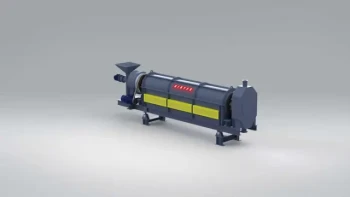
- Electric Rotary Kiln Small Rotary Furnace Biomass Pyrolysis Plant
- Electric Rotary Kiln Small Rotary Furnace for Activated Carbon Regeneration
- 50L Heating Chilling Circulator Cooling Water Bath Circulator for High and Low Temperature Constant Temperature Reaction
People Also Ask
- What role does a high-pressure reactor (autoclave) play in the synthesis of NiCuFe-LDH? Master Hydrothermal Growth
- What Role Does a High-Pressure Reactor or Autoclave Play in HA Catalyst Synthesis? Achieve High Surface Area Materials
- What equipment is required for hydrothermal synthesis of Ga0.25Zn4.67S5.08? Optimize Your Semiconductor Production
- What is the function of a high-pressure reactor in the hydrothermal synthesis of boehmite? Expert Process Insights
- What role does an autoclave play in the synthesis of MnO2 nanofibers? Mastering Hydrothermal Growth