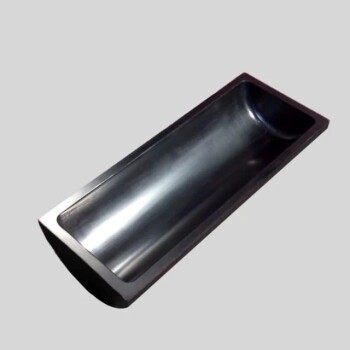
Hydrothermal carbonization (HTC) reactors allow for the direct conversion of high-moisture biomass into fuel without the need for energy-intensive pre-drying. By utilizing subcritical water environments, these reactors process wet waste streams—such as sludge and animal manure—more efficiently than traditional dry conversion methods.
By leveraging high temperature and pressure, HTC reactors transform the water content in biomass from a hindrance into a powerful solvent, significantly accelerating carbonization and enhancing the quality of the resulting hydrochar.
The Mechanics of Wet Waste Processing
Eliminating the Drying Barrier
The primary technical advantage of HTC reactors is the ability to bypass the pre-drying phase. Conventional carbonization requires removing moisture first, which is chemically and energetically expensive.
HTC reactors operate effectively with biomass that has high water content. This makes them uniquely suitable for processing wet waste streams like sewage sludge or manure that would otherwise require significant energy input to treat.
Leveraging Subcritical Water
HTC reactors do not just tolerate water; they utilize it as a reaction medium. Inside the reactor, conditions are maintained at subcritical levels (high temperature and high pressure).
Under these specific conditions, water exhibits unique solvent properties. This environment accelerates chemical reactions that are difficult to achieve in dry thermal processes.
Improving Hydrochar Quality
Accelerated Deoxygenation
The subcritical water environment drives rapid deoxygenation. This process strips oxygen from the biomass structure while retaining carbon.
The result is a hydrochar with a significantly higher carbon content compared to the raw feedstock. This increases the energy density of the final product, making it a more viable fuel source.
Superior Deashing Performance
In addition to carbon concentration, HTC reactors offer distinct advantages in product purity. The process demonstrates better deashing performance compared to other methods.
This means inorganic minerals (ash) are more effectively separated from the carbonaceous material. Lower ash content is critical for high-quality fuel applications, as it reduces fouling and residue during combustion.
Operational Trade-offs
High-Pressure Requirements
While HTC avoids the energy cost of drying, it substitutes it with the need for robust reactor design. The process relies on maintaining high-pressure conditions to keep water in a liquid state at high temperatures.
This requires specialized pressure vessels capable of withstanding intense operational stresses. The engineering complexity is higher than that of simple atmospheric biological processes like composting.
Making the Right Choice for Your Goal
HTC technology is not a universal solution, but it is the superior choice for specific waste streams.
- If your primary focus is Energy Efficiency with Wet Feedstock: HTC is the optimal choice as it completely eliminates the energy penalty associated with pre-drying sludge or manure.
- If your primary focus is Solid Fuel Quality: HTC provides a technical edge by producing hydrochar with higher carbon density and lower ash content than alternative wet processes.
HTC reactors turn the liability of moisture into an asset, offering the most direct path to recovering energy from wet organic waste.
Summary Table:
| Feature | Traditional Dry Carbonization | Hydrothermal Carbonization (HTC) |
|---|---|---|
| Pre-drying Requirement | Mandatory & Energy Intensive | Not Required (Processes Wet Waste) |
| Reaction Medium | Hot Air / Inert Gas | Subcritical Water (Solvent) |
| Deashing Performance | Low to Moderate | Superior (Effective Mineral Removal) |
| Product Quality | Varies by Feedstock | High Carbon Density & Low Ash |
| Key Waste Streams | Dry Wood, Straw | Sewage Sludge, Manure, Wet Biomass |
Optimize Your Waste-to-Energy Conversion with KINTEK
Stop letting high moisture content drain your laboratory's energy efficiency. KINTEK specializes in advanced high-temperature high-pressure reactors and autoclaves designed specifically to handle the intense operational stresses of Hydrothermal Carbonization.
Whether you are refining hydrochar quality or scaling battery research, our comprehensive portfolio—including crushing and milling systems, high-temperature furnaces, and specialized ceramics—provides the durability and precision your research demands.
Ready to transform wet organic waste into a high-density energy asset? Contact our technical experts today to find the perfect reactor solution for your laboratory.
References
- Marcin Sajdak, Dariusz Tercki. Actual Trends in the Usability of Biochar as a High-Value Product of Biomass Obtained through Pyrolysis. DOI: 10.3390/en16010355
This article is also based on technical information from Kintek Solution Knowledge Base .
Related Products
- Customizable Laboratory High Temperature High Pressure Reactors for Diverse Scientific Applications
- High Pressure Laboratory Autoclave Reactor for Hydrothermal Synthesis
- Customizable High Pressure Reactors for Advanced Scientific and Industrial Applications
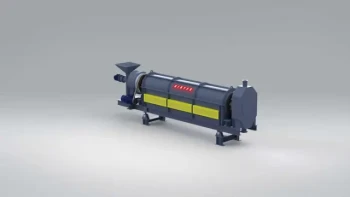
- Electric Rotary Kiln Small Rotary Furnace for Activated Carbon Regeneration
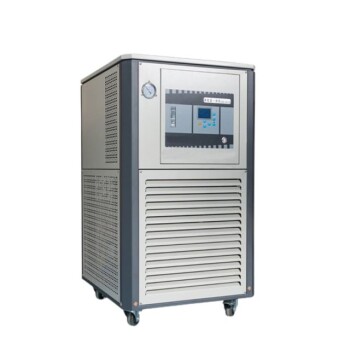
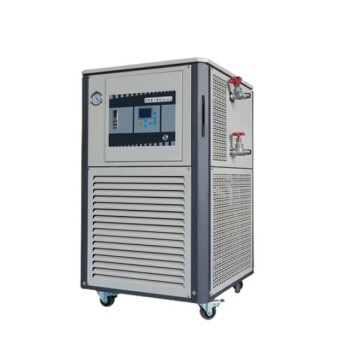
- High Temperature Constant Temperature Heating Circulator Water Bath Chiller Circulator for Reaction Bath
People Also Ask
- How do high-pressure and high-temperature reactors ensure the effective treatment of lignocellulosic wastewater in WAO?
- What equipment is required for high-pressure high-temperature reactions? Master Extreme Chemistry Safely
- How do you control high pressure in a reactor? A Guide to Safe & Stable Operation
- How does initial oxygen pressure affect the wet oxidation of pharmaceutical sludge? Master Your Oxidation Depth
- Why is argon better than nitrogen for inert atmosphere? Ensure Absolute Reactivity & Stability