The decisive technical advantage of using an inert graphite anode is the preservation of electrolyte chemistry through superior stability. Unlike active anodes, graphite does not dissolve in acidic environments, preventing the release of impurity metal ions into the plating solution. This ensures that the deposited Iron-Tungsten (Fe-W) amorphous coating maintains high purity and consistent elemental composition.
Core Takeaway: The use of graphite is a strategic choice to eliminate contamination variables. By serving as a chemically inert conductor, it isolates the deposition process from anode degradation, securing the structural integrity of the amorphous alloy.
The Role of Chemical Stability
Resistance to Acidic Corrosion
The electrodeposition of Fe-W coatings typically requires an acidic electrolyte environment.
In these harsh conditions, standard anode materials are prone to rapid degradation. Inert graphite is utilized specifically for its chemical resistance, remaining stable where other materials would break down.
Preventing Bath Contamination
The most critical function of the graphite anode is to prevent anodic dissolution.
If an anode dissolves, it releases unwanted metal ions into the plating bath. Graphite remains intact, ensuring that no foreign impurities enter the solution to interfere with the deposition process.
Impact on Coating Quality
Ensuring High Purity
Because the graphite does not contribute impurities to the electrolyte, the resulting coating is strictly composed of the intended ions.
This leads to a high-purity Fe-W amorphous alloy, free from defects caused by foreign metal contamination.
Maintaining Compositional Stability
Amorphous coatings require a precise atomic arrangement to maintain their unique properties.
By stabilizing the bath chemistry, graphite ensures the compositional stability of the alloy. This consistency is vital for achieving uniform performance across the entire coated surface.
Efficient Electrical Conductivity
Beyond stability, the process relies on efficient energy transfer.
Graphite possesses excellent electrical conductivity, allowing it to facilitate the electrodeposition process effectively without acting as a source of electrical resistance or chemical interference.
Common Pitfalls to Avoid
The Risk of Soluble Anodes
The primary pitfall in this process is utilizing an anode material that reacts with the acidic electrolyte.
If a non-inert anode is selected, the dissolution introduces impurity metal ions. This contamination alters the bath chemistry, destabilizing the coating's composition and potentially compromising the amorphous structure of the Fe-W alloy.
Making the Right Choice for Your Goal
To maximize the quality of your Fe-W amorphous coatings, align your anode selection with your specific technical requirements:
- If your primary focus is Coating Purity: Choose graphite to completely eliminate the risk of impurity metal ions contaminating the plating solution.
- If your primary focus is Process Consistency: Utilize graphite to maintain a stable electrolyte composition over time, preventing the drift caused by anode degradation.
By prioritizing chemical inertness, you ensure the structural integrity of the final alloy is never compromised by the tools used to create it.
Summary Table:
| Technical Feature | Graphite Anode Advantage | Impact on Fe-W Coating |
|---|---|---|
| Chemical Stability | Resistant to acidic corrosion; no anodic dissolution | Prevents electrolyte contamination and bath drift |
| Purity Control | Eliminates release of impurity metal ions | Ensures high-purity, defect-free amorphous structures |
| Composition | Maintains consistent electrolyte chemistry | Guarantees uniform elemental ratios and alloy stability |
| Conductivity | High electrical efficiency without interference | Facilitates smooth, controlled electrodeposition processes |
Elevate Your Electrodeposition Precision with KINTEK
Achieving the perfect amorphous structure requires uncompromising material purity and process control. KINTEK specializes in high-performance laboratory equipment designed for the most demanding research and production environments. Whether you are developing Fe-W coatings or advanced energy storage solutions, our comprehensive portfolio—including specialized electrolytic cells and electrodes, high-temperature furnaces, and advanced crushing systems—provides the stability your project needs.
From battery research tools to precision hydraulic presses and ceramics, KINTEK delivers the quality that prevents process contamination and ensures repeatable results. Ready to optimize your lab's performance?
Contact KINTEK Today to Consult with Our Experts
Related Products
- Graphite Vacuum Furnace Negative Material Graphitization Furnace
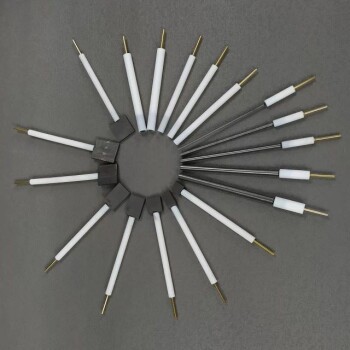
- Graphite Disc Rod and Sheet Electrode Electrochemical Graphite Electrode
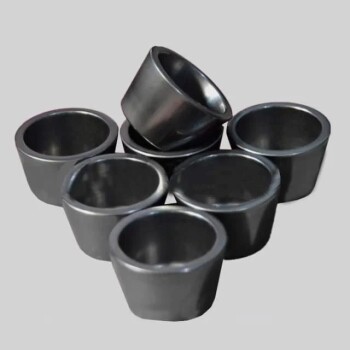
- High Purity Pure Graphite Crucible for Electron Beam Evaporation
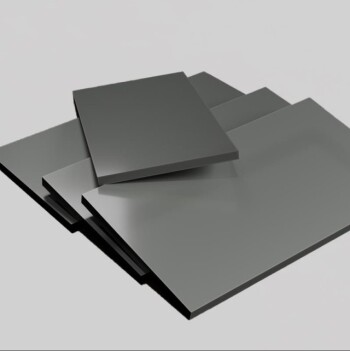
- Carbon Graphite Plate Manufactured by Isostatic Pressing Method
- High Purity Pure Graphite Crucible for Evaporation
People Also Ask
- What is the use of graphite furnace? Achieve Extreme-Temperature Processing for Advanced Materials
- What is the disadvantage of graphite furnace? Managing Reactivity and Contamination Risks
- What is the purpose of a graphite furnace? Achieve Extreme Temperatures for Advanced Materials
- What is the application of graphite furnace? Essential for High-Temp Material Processing & Synthesis
- What are the disadvantages of graphite furnace? Key Limitations and Operational Costs