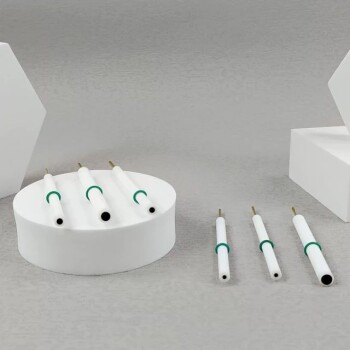
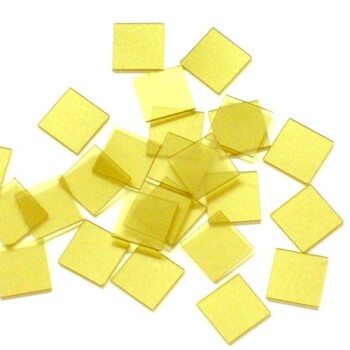
Boron-Doped Diamond (BDD) electrodes are characterized by their superior oxidative capability and chemical stability. Their primary technical advantage lies in their exceptionally high oxygen evolution potential, which suppresses water decomposition side reactions and facilitates the generation of powerful hydroxyl radicals (•OH) for efficient pollutant degradation.
In electrochemical oxidation, BDD electrodes function as "non-active" anodes that prioritize the production of physically adsorbed hydroxyl radicals. This mechanism allows for the non-selective, complete mineralization of recalcitrant organic pollutants, resulting in superior removal of Chemical Oxygen Demand (COD) and Total Organic Carbon (TOC) compared to traditional active anodes.
The Mechanics of High Oxidation Power
High Oxygen Evolution Potential
The defining feature of a BDD electrode is its extremely high oxygen evolution potential.
In many electrochemical processes, the generation of oxygen gas ($O_2$) is a parasitic side reaction that consumes energy without treating the water. BDD electrodes suppress this oxygen evolution.
This forces the system to utilize the applied current for the generation of reactive oxidizing species rather than wasting it on gas production.
Production of Hydroxyl Radicals
By limiting oxygen evolution, BDD electrodes facilitate the formation of high concentrations of hydroxyl radicals (•OH).
As noted in technical literature, these radicals are "physically adsorbed" onto the electrode surface.
These •OH species are among the strongest oxidants available in water treatment, acting as the primary agents for breaking down contaminants.
Efficiency in Pollutant Degradation
Non-Selective Oxidation
The hydroxyl radicals generated by BDD anodes possess non-selective oxidizing properties.
This means the electrode does not require a specific chemical match with the pollutant to be effective.
Consequently, BDD is highly effective at degrading "recalcitrant" organic pollutants—compounds that are typically resistant to biological treatment or standard chemical oxidation.
Complete Mineralization
A critical advantage of BDD is its ability to drive "mineralization" rather than just partial oxidation.
Traditional "active" anodes often only partially break down compounds, potentially leaving behind toxic intermediates.
Because BDD acts as a "non-active" anode, the strong oxidizing power of the •OH radicals drives the process toward fully converting organics into carbon dioxide and water, significantly reducing Total Organic Carbon (TOC).
Understanding the Operational Distinction
The "Non-Active" Anode Characteristic
It is vital to distinguish BDD as a "non-active" anode material.
"Active" anodes interact chemically with oxidants (chemisorption), often leading to higher oxides that favor oxygen evolution or partial degradation.
BDD, conversely, relies on physisorption (physical adsorption) of radicals. While this ensures high oxidation power, it fundamentally changes the reaction pathway toward total combustion rather than selective chemical conversion.
Stability Factors
Alongside its electrochemical properties, BDD offers superior chemical stability compared to traditional materials.
This stability ensures consistent performance over time, even in aggressive electrochemical environments.
However, users must recognize that this stability is tied to the material's specific structure, which is designed to withstand the harsh conditions required to generate hydroxyl radicals.
Making the Right Choice for Your Goal
The choice to use BDD electrodes should be driven by the specific requirements of your wastewater treatment stream.
- If your primary focus is the destruction of stubborn contaminants: BDD is the optimal choice due to its ability to generate non-selective hydroxyl radicals that attack recalcitrant organics.
- If your primary focus is complete regulatory compliance (COD/TOC): BDD offers a distinct advantage by driving pollutants to complete mineralization, preventing the accumulation of harmful intermediate byproducts.
BDD electrodes provide a robust solution for high-stakes electrochemical oxidation where the complete elimination of organic load is the priority.
Summary Table:
| Feature | Technical Advantage | Impact on Process |
|---|---|---|
| Oxygen Evolution Potential | Extremely high potential | Suppresses water decomposition; improves energy efficiency |
| Oxidant Generation | Physisorbed Hydroxyl Radicals (•OH) | Enables powerful, non-selective oxidation of pollutants |
| Anode Type | Non-active anode | Promotes complete mineralization over partial oxidation |
| Chemical Stability | Robust diamond structure | Ensures long lifespan in aggressive electrochemical environments |
| Performance Goal | COD/TOC Reduction | Complete conversion of organic load to CO2 and water |
Optimize Your Electrochemical Processes with KINTEK
Are you struggling with recalcitrant organic pollutants or seeking to achieve complete mineralization in your wastewater treatment? KINTEK specializes in advanced laboratory and industrial solutions, providing high-performance electrolytic cells and electrodes, including Boron-Doped Diamond (BDD) technology.
Our expertise extends to a comprehensive range of high-temperature furnaces, hydraulic presses, and battery research tools, ensuring your lab is equipped for the most demanding applications. Partner with KINTEK for superior durability, technical precision, and expert support in every process step.
Contact KINTEK Today to Enhance Your Lab’s Efficiency!
References
- Edison GilPavas, Miguel Ángel Gómez García. Efficient treatment for textile wastewater through sequential electrocoagulation, electrochemical oxidation and adsorption processes: Optimization and toxicity assessment. DOI: 10.1016/j.jelechem.2020.114578
This article is also based on technical information from Kintek Solution Knowledge Base .
Related Products
- Laboratory CVD Boron Doped Diamond Materials
- Electron Beam Evaporation Coating Conductive Boron Nitride Crucible BN Crucible
- Graphite Disc Rod and Sheet Electrode Electrochemical Graphite Electrode
- Rotating Platinum Disk Electrode for Electrochemical Applications
- Gold Disc Electrode
People Also Ask
- What is the purpose of adding a boron source in CVD diamond growth? Master P-Type Semiconductor Conductivity
- What materials are CVD deposition? From Semiconductors to Super-Hard Coatings
- What are the advantages of BDD electrodes? Maximize Wastewater Treatment Efficiency and Durability
- What are the applications of CVD diamonds? From Jewelry to High-Tech Tools
- Are CVD diamonds good? Real Diamonds with Ethical Origins & Better Value