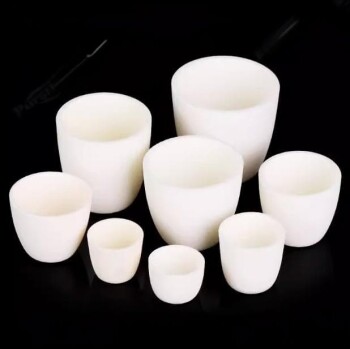
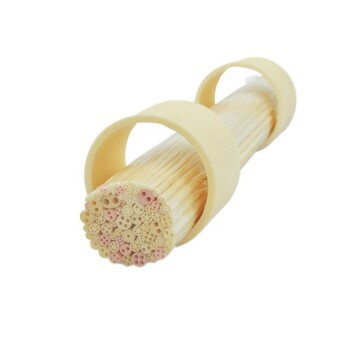
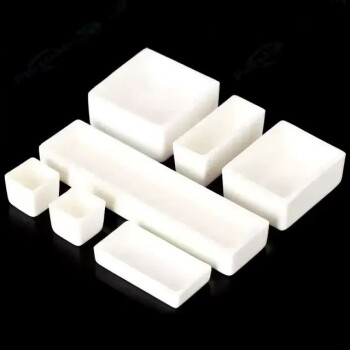
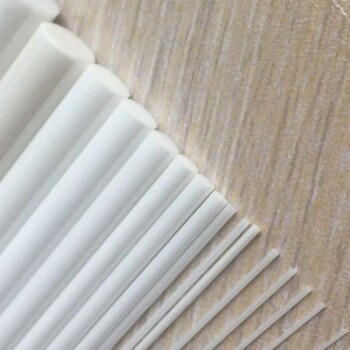
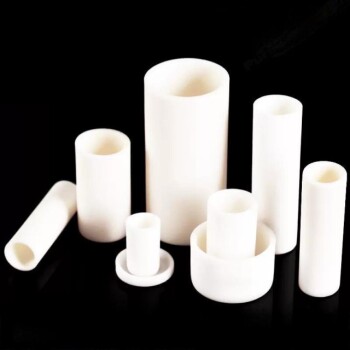
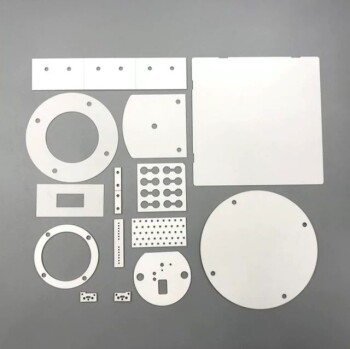
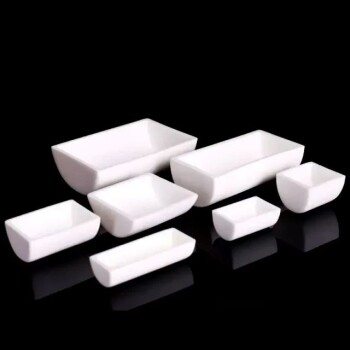
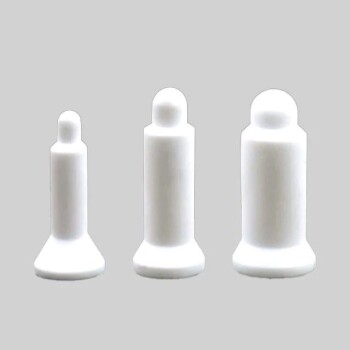
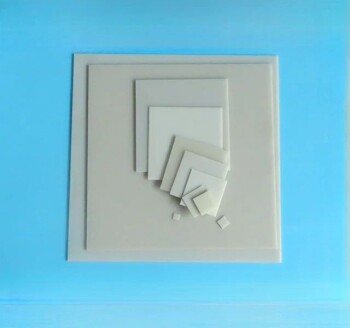
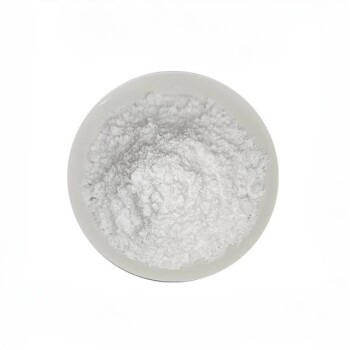
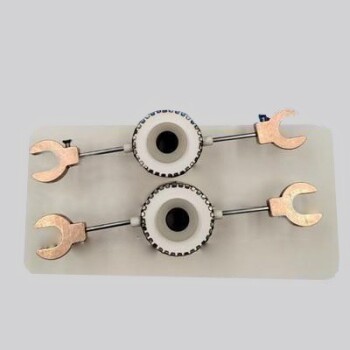
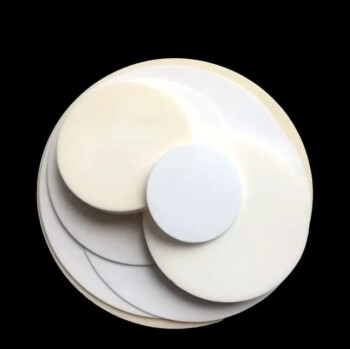
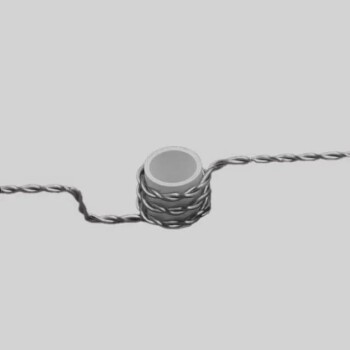
High-purity alumina ceramics serve as an exceptional substrate for Pt-Rh10/Pt thin-film thermocouples due to their ability to withstand extreme thermal environments while maintaining electrical integrity. This material combination specifically addresses the failure points of weaker substrates, offering operational stability up to 1500°C.
By leveraging high-purity alumina, engineers can eliminate common failure modes such as film delamination and electrical leakage at high temperatures. This ensures reliable data acquisition in harsh environments where standard sensors would succumb to thermal shock or corrosion.
Thermal and Environmental Resilience
Withstanding Extreme Temperatures
The primary advantage of high-purity alumina is its high melting point, which allows the thermocouple to operate effectively in environments reaching 1500°C. This capability is essential for applications requiring direct monitoring of combustion or high-heat industrial processes.
Resistance to Thermal Shock
Rapid temperature fluctuations can cause catastrophic structural failure in many ceramic materials. High-purity alumina offers excellent thermal shock resistance, ensuring the substrate does not crack or fracture during sudden heating or cooling cycles.
Protection Against Corrosion
In harsh operating environments, chemical degradation is a constant threat to sensor longevity. This substrate provides superior corrosion resistance, protecting the structural integrity of the sensor assembly against aggressive chemical agents often present in high-temperature flows.
Structural and Interface Integrity
Critical Film Adhesion
The performance of a thin-film thermocouple relies heavily on the interface between the metal film and the ceramic base. High-purity alumina promotes strong adhesion with platinum-rhodium alloy films, preventing the sensor layers from peeling or delaminating under stress.
High Mechanical Strength
Beyond thermal properties, the substrate must physically support the thin film without warping or breaking. Alumina ceramics provide high mechanical strength, ensuring the sensor remains dimensionally stable even under physical load or vibration.
Electrical Performance
Maintaining Signal Purity
Accurate temperature measurement requires that the substrate remains an electrical insulator, even when superheated. High-purity alumina maintains high insulation resistance at steady states, preventing electrical leakage that would otherwise corrupt the thermocouple's voltage signal.
Operational Considerations
The Importance of Purity
It is critical to note that the advantages listed above rely strictly on the purity of the alumina. Lower-grade ceramics with impurities may suffer from reduced insulation resistance at high temperatures, leading to signal errors.
The 1500°C Limit
While robust, this material system has a defined upper limit. Operating continuously beyond the 1500°C threshold may compromise the structural integrity of the substrate or the stability of the platinum-rhodium film.
Making the Right Choice for Your Goal
To determine if high-purity alumina is the correct substrate for your specific application, consider your primary constraints:
- If your primary focus is Sensor Longevity: This substrate is ideal because its corrosion resistance and mechanical strength prevent physical degradation in harsh environments.
- If your primary focus is Data Accuracy: The high insulation resistance prevents signal leakage, ensuring the voltage reading remains true even at peak temperatures.
- If your primary focus is Dynamic Measurement: The thermal shock resistance allows the sensor to survive rapid temperature spikes without structural failure.
High-purity alumina provides the foundational stability required to transform delicate thin films into rugged, industrial-grade sensing instruments.
Summary Table:
| Feature | Technical Advantage | Benefit for Pt-Rh10/Pt Sensors |
|---|---|---|
| Thermal Limit | Stable up to 1500°C | Enables monitoring in extreme heat environments |
| Electrical Property | High Insulation Resistance | Prevents signal leakage and ensures data accuracy |
| Adhesion Quality | Strong Film-to-Substrate Bond | Prevents delamination of precious metal thin films |
| Chemical Stability | Superior Corrosion Resistance | Protects sensor integrity against aggressive agents |
| Mechanical Build | High Structural Strength | Resists warping and fractures under vibration or load |
Elevate Your High-Temperature Research with KINTEK
Precision in extreme environments starts with superior materials. KINTEK specializes in advanced laboratory solutions, providing high-purity alumina substrates and specialized ceramic consumables designed to withstand the most rigorous thermal cycles.
Whether you are developing next-generation thin-film sensors or require robust high-temperature furnaces, crushing systems, or specialized crucibles, our team delivers the quality you need to ensure data accuracy and equipment longevity.
Ready to optimize your lab’s performance? Contact KINTEK today to explore our comprehensive range of high-temperature high-pressure reactors, ceramics, and advanced research tools tailored to your specific application.
References
- Fengxiang Wang, Chao Li. Fabrication and Calibration of Pt-Rh10/Pt Thin-Film Thermocouple. DOI: 10.3390/mi14010004
This article is also based on technical information from Kintek Solution Knowledge Base .
Related Products
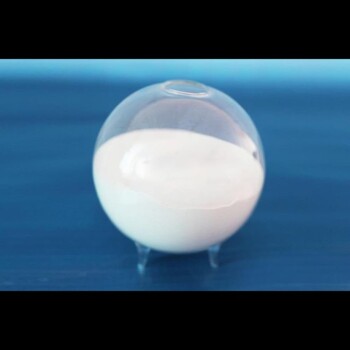
- High Purity Alumina Granulated Powder for Engineering Advanced Fine Ceramics
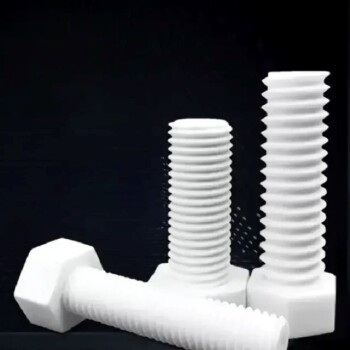
- High Quality Alumina Ceramic Screw for Engineering Advanced Fine Ceramics with High Temperature Resistance and Insulation
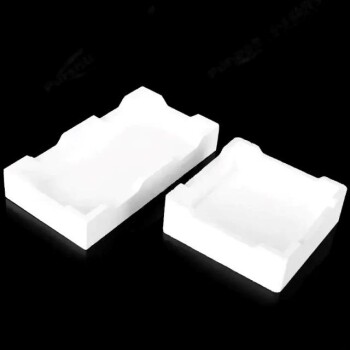
- Advanced Engineering Fine Ceramics Alumina Ceramic Saggar for Fine Corundum
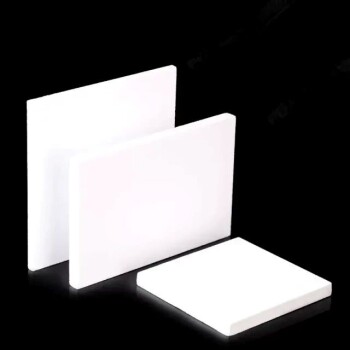
- High Temperature Wear-Resistant Alumina Al2O3 Plate for Engineering Advanced Fine Ceramics
- High Temperature Alumina (Al2O3) Furnace Tube for Engineering Advanced Fine Ceramics
People Also Ask
- What is the function of high-purity alumina powder in pack cementation? Ensure Uniform Aerospace Blade Coatings
- How should alumina powder be selected for polishing a disc electrode, and what is the procedure for removing scratches? Achieve a Perfect Mirror Finish
- What are the properties and handling precautions for alumina powder as a polishing material? Achieve a Flawless Finish with Precision
- Why is it necessary to apply alumina powder to graphite molds for TiC10/Cu-Al2O3? Ensure Smooth Release.
- What measures should be taken to prevent cross-contamination when using different sizes of alumina powder?