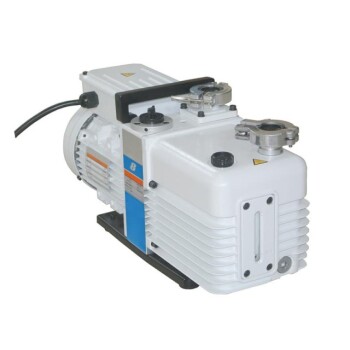
The core role of high-precision vacuum pumps in the production of thermoplastic polyester elastomers (PCL-TPE) is to chemically drive the reaction forward by physically altering the pressure environment. Specifically, these pumps create an extremely low operating pressure—less than 25 Pa—within the autoclave. This deep vacuum is the primary mechanism used to force the continuous removal of byproducts, allowing the material to achieve the high molecular weights necessary for high-performance applications.
The vacuum pump functions as a kinetic driver for the reaction. By maintaining ultra-low pressure, it breaks the chemical equilibrium, ensuring the rapid mass transfer of byproducts and enabling the synthesis of long, durable polymer chains.
The Critical Role of Pressure Control
Achieving Ultra-Low Vacuum
The second-stage polycondensation reaction cannot proceed effectively at standard atmospheric pressures. High-precision pumps are engineered to reduce the internal pressure of the high-pressure autoclave to less than 25 Pa.
Facilitating Mass Transfer
At this specific pressure threshold, the physical properties of the reaction mixture change. The vacuum environment maximizes the efficiency of mass transfer, creating a clear pathway for volatile elements to escape the viscous polymer melt.
Driving Chemical Kinetics
Removing Methanol Byproducts
During polycondensation, the reaction generates small-molecule byproducts, most notably methanol. If these molecules remain trapped within the mixture, they act as a chemical brake, preventing the polymer chains from growing.
Breaking Chemical Equilibrium
Polycondensation is an equilibrium reaction, meaning it naturally wants to balance itself and stop progressing. The vacuum pump disrupts this balance by permanently removing the methanol from the system. This forces the reaction to constantly re-adjust, driving it forward toward completion.
Impact on Material Quality
Increasing Molecular Weight
The direct result of this vacuum-driven process is the formation of higher molecular weights. Without the continuous extraction of byproducts provided by the pump, the polymer chains would remain short and chemically inferior.
Defining High-Performance Standards
This specific operational capability is a primary technical requirement for PCL-TPE. The ability to reach these high molecular weights is what distinguishes a usable high-performance elastomer from a failed batch.
Understanding the Operational Trade-offs
Sensitivity to Pressure Fluctuations
Because the target pressure (< 25 Pa) is so low, the process is highly sensitive to system integrity. Even microscopic leaks or pump instabilities can cause the pressure to rise, immediately stalling the removal of methanol and halting polymer growth.
Equipment Precision Demands
Not all vacuum equipment can sustain such low pressures against the load of evaporating byproducts. This necessitates the use of "high-precision" pumps, which likely require more rigorous maintenance and calibration than standard industrial pumps to ensure consistent product quality.
Optimizing Process Outcomes
To ensure the successful synthesis of PCL-TPE, you must prioritize the vacuum system's capacity and stability.
- If your primary focus is maximum material durability: Ensure your vacuum system can reliably sustain pressures significantly below 25 Pa to maximize molecular weight growth.
- If your primary focus is process consistency: Implement strict monitoring of the methanol extraction rate, as this is the leading indicator that the vacuum is effectively driving the equilibrium.
The high-precision vacuum pump is not merely an exhaust system; it is the active component that dictates the final molecular structure of the elastomer.
Summary Table:
| Feature | Impact on PCL-TPE Polycondensation |
|---|---|
| Target Pressure | < 25 Pa (Ultra-low vacuum) |
| Primary Byproduct | Methanol (must be continuously removed) |
| Kinetic Driver | Breaks chemical equilibrium to force forward reaction |
| Mass Transfer | Enables volatile elements to escape high-viscosity melt |
| Final Result | Increased molecular weight and enhanced durability |
Elevate Your Polymer Synthesis with KINTEK Precision
Achieving the ultra-low vacuum levels required for high-performance PCL-TPE demands equipment that never falters. KINTEK specializes in advanced laboratory solutions designed to handle the rigorous demands of chemical kinetics and material science.
Our comprehensive portfolio includes:
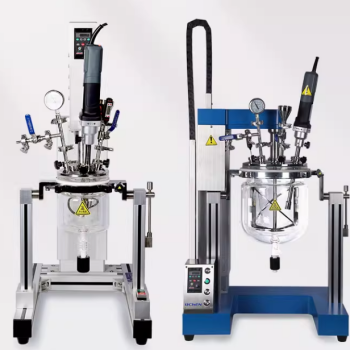
- High-Pressure Reactors & Autoclaves: Engineered for precision polycondensation.
- Advanced Vacuum Solutions: Sustaining the deep vacuum needed for byproduct removal.
- Thermal Processing: A full range of muffle, tube, and vacuum furnaces.
- Material Prep: Hydraulic presses, crushing systems, and specialized ceramics/crucibles.
Whether you are focusing on battery research, elastomer development, or complex chemical synthesis, KINTEK provides the tools to ensure your molecular weights meet the highest performance standards. Contact our technical experts today to optimize your lab's workflow!
References
- Chinh Hoang Tran, Il Kim. Heterogeneous Double Metal Cyanide Catalyzed Synthesis of Poly(ε-caprolactone) Polyols for the Preparation of Thermoplastic Elastomers. DOI: 10.3390/catal11091033
This article is also based on technical information from Kintek Solution Knowledge Base .
Related Products
- Ultra-Vacuum Electrode Feedthrough Connector Flange Power Electrode Lead for High-Precision Applications
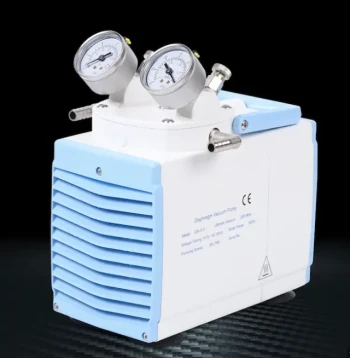
- Oil Free Diaphragm Vacuum Pump for Laboratory and Industrial Use
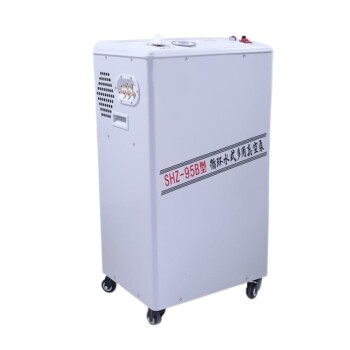
- Laboratory Vertical Water Circulating Vacuum Pump for Lab Use
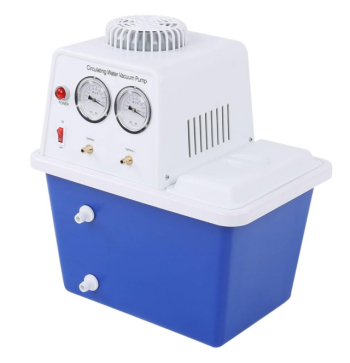
- Circulating Water Vacuum Pump for Laboratory and Industrial Use
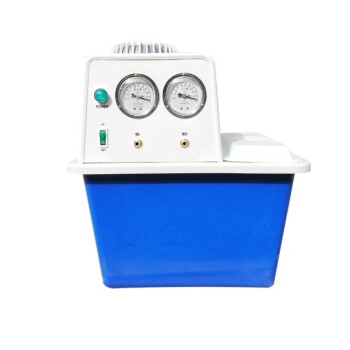
- Laboratory Benchtop Water Circulating Vacuum Pump for Lab Use
People Also Ask
- What is high vacuum used for? Essential for Particle Beams and Advanced Lab Instruments
- Can an arc happen in a vacuum? Yes, and here's how to prevent it in your high-voltage design.
- What is the application of vacuum technology in industries? Enabling Precision Manufacturing and Purity
- Can vacuum tubes be rebuilt? A Guide to Restoring High-Power Industrial Tubes
- What is the importance of leakage in a vacuum system? Prevent Contamination and Process Failure