The experimental framework employed in the study of grinding composite ceramic is Taguchi's experimental design method. This statistical approach was specifically selected to systematically analyze how various process parameters influence the final grinding outcomes.
The study leveraged Taguchi's design to isolate and evaluate the specific impact of operational variables, providing a structured approach to understanding complex process behaviors.
The Methodology Explained
The Core Approach
The researchers utilized Taguchi's method to structure their experiments. This method is a standardized approach designed to optimize processes by determining the best combination of factors with the minimum amount of variance.
Analyzing Parameter Influence
The primary objective of using this design was to analyze the influence of specific process parameters. By employing this method, the study focused on quantifying how changes in input variables directly affected the grinding quality and efficiency.
Systematizing Outcomes
Rather than relying on trial-and-error, the study used this method to create a controlled testing environment. This allowed for a clear correlation between the process parameters and the observed grinding outcomes.
Understanding the Trade-offs
Efficiency in Experimentation
A key advantage of Taguchi's method is its ability to extract meaningful data from a reduced number of experimental runs. This makes it highly efficient for studies involving expensive or time-consuming processes like ceramic grinding.
Limitations in Interaction Analysis
However, while excellent for identifying main effects, this method often assumes that variables act independently. It may limit the visibility of complex interactions between parameters that a full factorial design would otherwise capture.
Making the Right Choice for Your Goal
To apply this methodological insight to your own process optimization:
- If your primary focus is process screening: Choose Taguchi's method to quickly identify which parameters have the most significant impact on your outcomes with fewer tests.
- If your primary focus is deep interaction analysis: Consider a full factorial design to map every possible combination, accepting the trade-off of higher cost and time.
The choice of experimental design defines the clarity of your results; selecting Taguchi's method prioritizes efficient identification of the most influential control factors.
Summary Table:
| Feature | Taguchi's Experimental Design |
|---|---|
| Primary Goal | Optimize process parameters with minimal variance |
| Efficiency | High; requires fewer experimental runs |
| Main Advantage | Rapidly identifies the most influential control factors |
| Key Limitation | May miss complex interactions between independent variables |
| Best Use Case | Process screening and cost-effective material research |
Elevate Your Ceramic Processing with KINTEK
Precision grinding requires not only the right methodology but also superior laboratory equipment. KINTEK specializes in advanced solutions for material science, providing high-performance crushing and milling systems, sieving equipment, and high-precision hydraulic presses (pellet, hot, and isostatic) tailored for composite ceramic research.
Whether you are optimizing your workflow using Taguchi methods or conducting deep interaction analysis, our comprehensive range of high-temperature furnaces and laboratory consumables ensures consistent, reliable results. Experience the KINTEK advantage in durability and precision—contact our experts today to find the perfect equipment for your lab!
Related Products
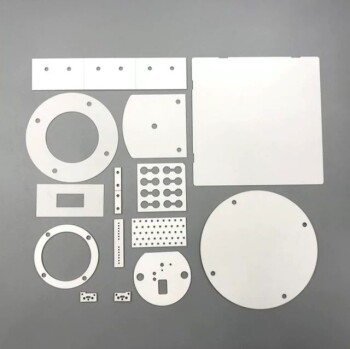
- Custom-Made Alumina Zirconia Special-Shaped Ceramic Plates for Engineering Advanced Fine Ceramics Processing
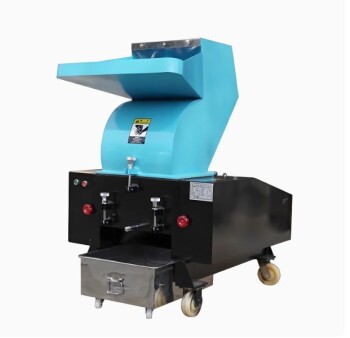
- Powerful Plastic Crusher Machine
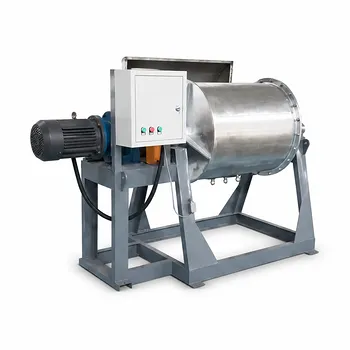
- Stainless Steel Laboratory Ball Mill for Dry Powder and Liquid with Ceramic Polyurethane Lining
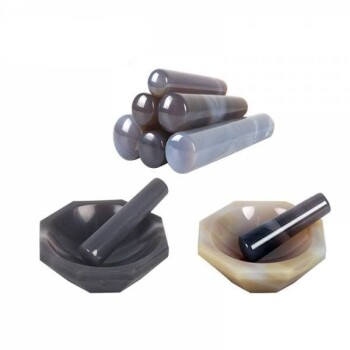
- Nature Agate Mortar and Pestle for Grinding and Mixing
People Also Ask
- What function do alumina ceramic plates serve as supports in the preparation of molecular sieve membranes?
- Why are ceramics more resistant to corrosion? Unlock the Secret to Unmatched Chemical Stability
- What are the process advantages of selecting an alumina plate for CuO nanofilm synthesis? Achieve Superior Purity
- How is alumina ceramic made? A Guide to Manufacturing Methods and Material Properties
- What are the applications of zirconia ceramics? Unlock High-Performance Solutions for Extreme Environments