Knowledge mpcvd machine What is CVD diamond? The Ultimate Guide to Lab-Grown Diamonds and Their Uses
Author avatar

Tech Team · Kintek Solution

Updated 3 months ago

What is CVD diamond? The Ultimate Guide to Lab-Grown Diamonds and Their Uses


In short, a CVD diamond is a lab-grown diamond created using a process called Chemical Vapor Deposition. Unlike diamond simulants like cubic zirconia, a CVD diamond is not a fake; it is chemically and physically identical to a diamond mined from the earth. The process essentially "grows" a diamond from a seed crystal using carbon-rich gases in a controlled chamber.

The core concept to understand is that CVD is a manufacturing method, not a type of material. It produces a diamond that is atomically identical to a natural one, differing only in its origin—a laboratory instead of the earth's mantle.
What is CVD diamond? The Ultimate Guide to Lab-Grown Diamonds and Their Uses

How a CVD Diamond is "Grown"

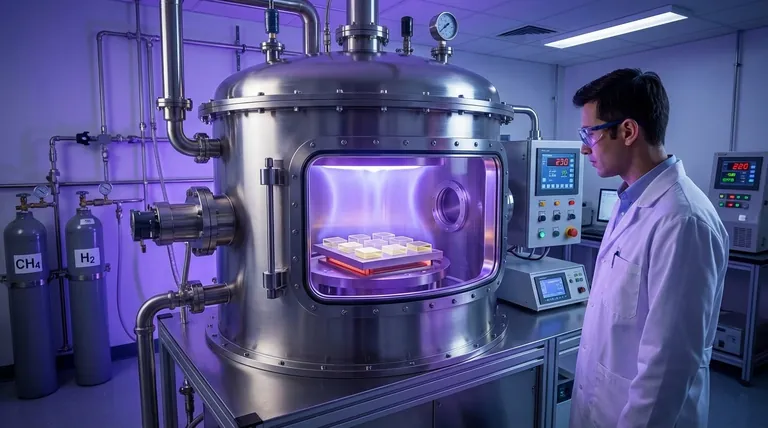
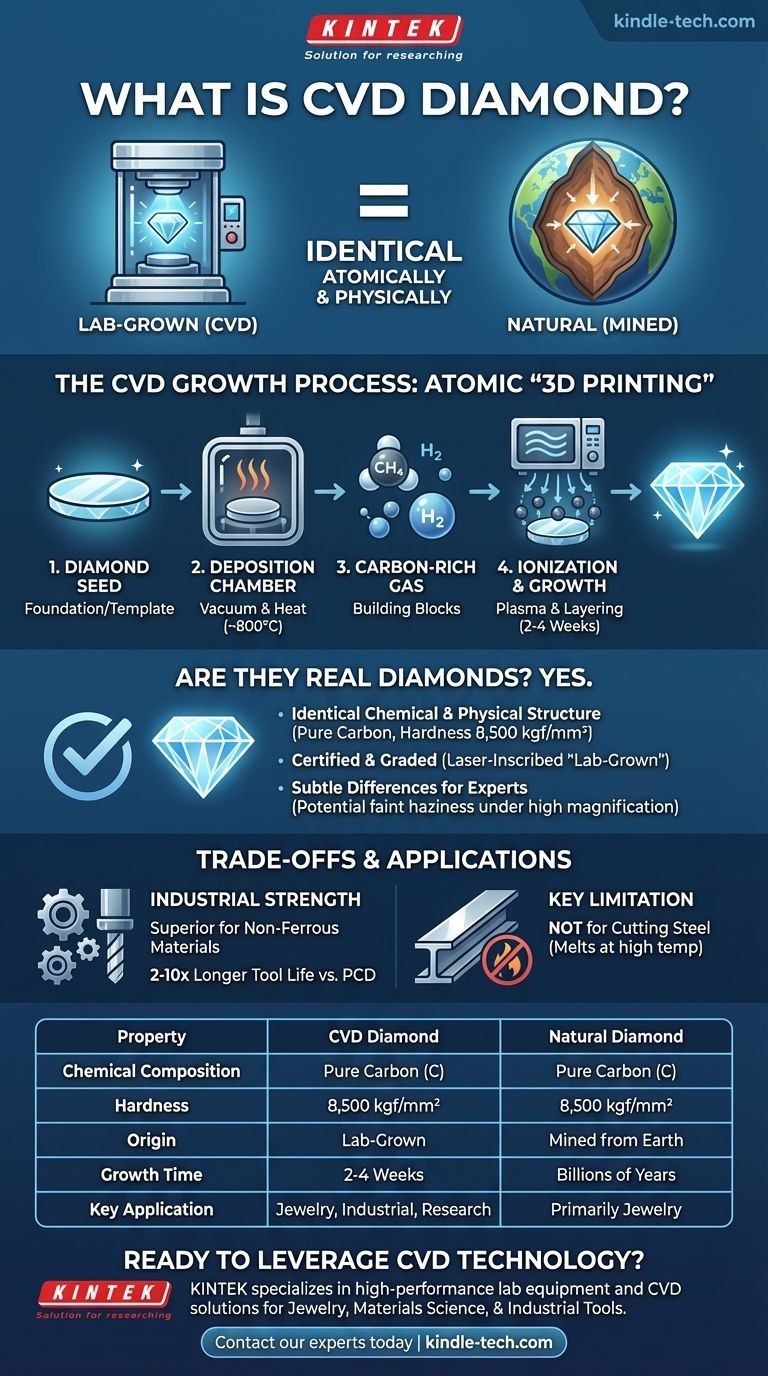
The Chemical Vapor Deposition process is a sophisticated technique that replicates natural diamond formation but on an accelerated timeline. It can be thought of as a form of atomic "3D printing" where carbon atoms are stacked layer by layer.

The Diamond Seed: The Foundation

The process begins with a very thin slice of a high-quality diamond, known as a diamond seed. This seed acts as the template or foundation upon which the new diamond will grow.

The Deposition Chamber: The Environment

This seed is placed inside a sealed, vacuum-tight chamber. The chamber is then heated to extreme temperatures, typically around 800°C, creating the necessary conditions for diamond formation.

The Carbon-Rich Gas: The Building Blocks

The chamber is flooded with a mixture of gases rich in carbon, such as methane, along with hydrogen. These gases provide the fundamental atoms needed to build the diamond crystal.

Ionization and Growth: The Process

High-power energy, often from microwaves, is introduced into the chamber. This ionizes the gas, creating a plasma that breaks down the gas molecules. This process frees the carbon atoms, which then rain down and bond to the diamond seed, replicating its crystal structure.

Over a period of two to four weeks, these carbon atoms accumulate, and the diamond "grows" into a complete, high-quality crystal.

Are CVD Diamonds Real Diamonds?

This is the most common point of confusion. From a scientific standpoint, the answer is an unequivocal yes.

Identical Chemical and Physical Structure

A CVD diamond has the same crystal lattice and carbon atom composition as a natural diamond. It shares the same properties, including exceptional hardness (8,500 kgf/mm2), thermal conductivity, and optical brilliance. Its properties can be equivalent to a natural diamond up to 99%.

The Role of Grading and Inscriptions

To ensure transparency, reputable gemological labs grade CVD diamonds just as they do natural ones. These diamonds are laser-inscribed on their girdle with a note, such as "lab-grown," and a report number to clearly identify their origin.

Subtle Differences for Experts

While indistinguishable to the naked eye, a trained gemologist using specialized equipment may be able to spot subtle indicators of the growth process. The plasma used in the CVD method can sometimes cause a faint hazy or milky appearance under very high magnification.

Understanding the Trade-offs and Applications

CVD technology is not just for jewelry; its unique properties make it valuable for demanding industrial and scientific applications.

Industrial Strength and Performance

CVD diamonds are used to create cutting tools for non-ferrous materials. The tool life of a CVD diamond tool is often 2 to 10 times longer than that of Polycrystalline Diamond (PCD) tools, demonstrating superior wear resistance.

A Key Limitation: High-Temperature Cutting

The primary industrial limitation of CVD diamond is its unsuitability for cutting steel. The high temperatures generated during steel machining can cause a chemical reaction that effectively melts the diamond, leading to rapid tool wear.

Making the Right Choice for Your Goal

Understanding the origin and properties of a CVD diamond allows you to choose wisely based on your specific needs.

  • If your primary focus is jewelry: A CVD diamond provides the exact same visual brilliance and physical durability as a mined diamond, distinguished only by its origin.
  • If your primary focus is industrial tooling: CVD offers a significant performance and longevity advantage over PCD for machining non-ferrous metals and composites.
  • If your primary focus is scientific research: The CVD process allows for the creation of exceptionally pure diamonds with tailored properties for advanced optical or electronic applications.

Ultimately, a CVD diamond is a testament to human ingenuity—a true diamond created through a controlled and precise scientific process.

Summary Table:

Property CVD Diamond Natural Diamond
Chemical Composition Pure Carbon (C) Pure Carbon (C)
Hardness 8,500 kgf/mm² 8,500 kgf/mm²
Origin Lab-Grown Mined from Earth
Growth Time 2-4 weeks Billions of Years
Key Application Jewelry, Industrial Tools, Research Primarily Jewelry

Ready to leverage the precision of lab-grown diamonds for your projects? KINTEK specializes in high-performance lab equipment and consumables, including CVD technology, to support your research and industrial applications. Whether you're in jewelry manufacturing, materials science, or need durable cutting tools, our solutions ensure quality and efficiency. Contact our experts today to discuss how CVD diamond technology can enhance your work!

Visual Guide
What is CVD diamond? The Ultimate Guide to Lab-Grown Diamonds and Their Uses Visual Guide

Related Products

People Also Ask

Related Products

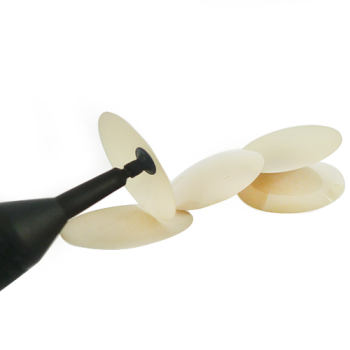
CVD Diamond Domes for Industrial and Scientific Applications

CVD Diamond Domes for Industrial and Scientific Applications

Discover CVD diamond domes, the ultimate solution for high-performance loudspeakers. Made with DC Arc Plasma Jet technology, these domes deliver exceptional sound quality, durability, and power handling.

CVD Diamond for Thermal Management Applications

CVD Diamond for Thermal Management Applications

CVD diamond for thermal management: High-quality diamond with thermal conductivity up to 2000 W/mK, ideal for heat spreaders, laser diodes, and GaN on Diamond (GOD) applications.

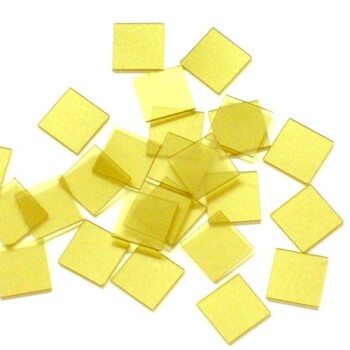
CVD Diamond Optical Windows for Lab Applications

CVD Diamond Optical Windows for Lab Applications

Diamond optical windows: exceptional broad band infrared transparency, excellent thermal conductivity & low scattering in infrared, for high-power IR laser & microwave windows applications.

CVD Diamond Dressing Tools for Precision Applications

CVD Diamond Dressing Tools for Precision Applications

Experience the Unbeatable Performance of CVD Diamond Dresser Blanks: High Thermal Conductivity, Exceptional Wear Resistance, and Orientation Independence.

Custom CVD Diamond Coating for Lab Applications

Custom CVD Diamond Coating for Lab Applications

CVD Diamond Coating: Superior Thermal Conductivity, Crystal Quality, and Adhesion for Cutting Tools, Friction, and Acoustic Applications

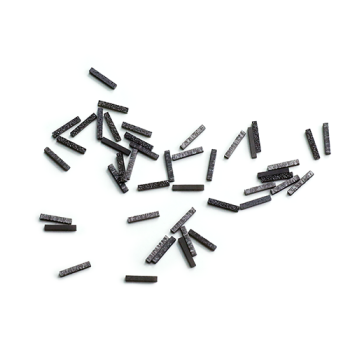
CVD Diamond Cutting Tool Blanks for Precision Machining

CVD Diamond Cutting Tool Blanks for Precision Machining

CVD Diamond Cutting Tools: Superior Wear Resistance, Low Friction, High Thermal Conductivity for Non-Ferrous Materials, Ceramics, Composites Machining

CVD Diamond Wire Drawing Die Blanks for Precision Applications

CVD Diamond Wire Drawing Die Blanks for Precision Applications

CVD diamond wire drawing die blanks: superior hardness, abrasion resistance, and applicability in wire drawing various materials. Ideal for abrasive wear machining applications like graphite processing.

Laboratory CVD Boron Doped Diamond Materials

Laboratory CVD Boron Doped Diamond Materials

CVD boron-doped diamond: A versatile material enabling tailored electrical conductivity, optical transparency, and exceptional thermal properties for applications in electronics, optics, sensing, and quantum technologies.

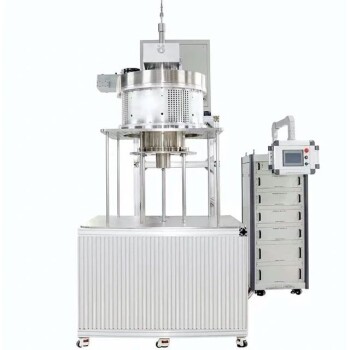
915MHz MPCVD Diamond Machine Microwave Plasma Chemical Vapor Deposition System Reactor

915MHz MPCVD Diamond Machine Microwave Plasma Chemical Vapor Deposition System Reactor

915MHz MPCVD Diamond Machine and its multi-crystal effective growth, the maximum area can reach 8 inches, the maximum effective growth area of single crystal can reach 5 inches. This equipment is mainly used for the production of large-size polycrystalline diamond films, the growth of long single crystal diamonds, the low-temperature growth of high-quality graphene, and other materials that require energy provided by microwave plasma for growth.

HFCVD Machine System Equipment for Drawing Die Nano-Diamond Coating

HFCVD Machine System Equipment for Drawing Die Nano-Diamond Coating

The nano-diamond composite coating drawing die uses cemented carbide (WC-Co) as the substrate, and uses the chemical vapor phase method ( CVD method for short ) to coat the conventional diamond and nano-diamond composite coating on the surface of the inner hole of the mold.

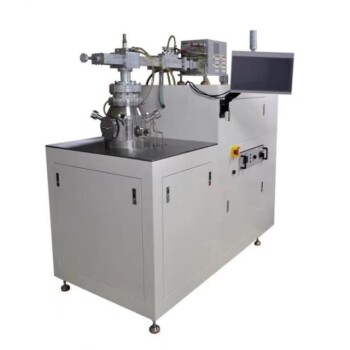
Cylindrical Resonator MPCVD Machine System Reactor for Microwave Plasma Chemical Vapor Deposition and Lab Diamond Growth

Cylindrical Resonator MPCVD Machine System Reactor for Microwave Plasma Chemical Vapor Deposition and Lab Diamond Growth

Learn about Cylindrical Resonator MPCVD Machine, the microwave plasma chemical vapor deposition method used for growing diamond gemstones and films in the jewelry and semi-conductor industries. Discover its cost-effective advantages over traditional HPHT methods.

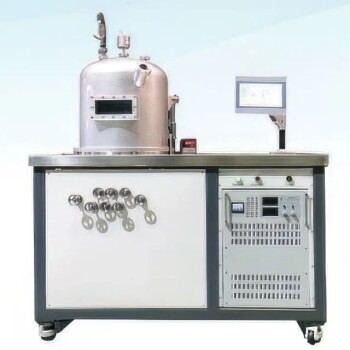
Microwave Plasma Chemical Vapor Deposition MPCVD Machine System Reactor for Lab and Diamond Growth

Microwave Plasma Chemical Vapor Deposition MPCVD Machine System Reactor for Lab and Diamond Growth

Get high-quality diamond films with our Bell-jar Resonator MPCVD machine designed for lab and diamond growth. Discover how Microwave Plasma Chemical Vapor Deposition works for growing diamonds using carbon gas and plasma.

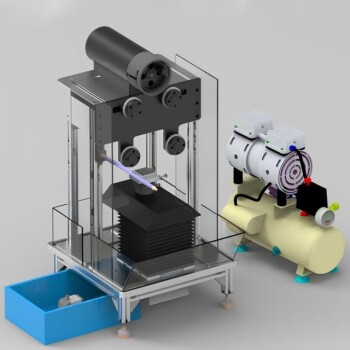
High Precision Diamond Wire Cutting Machine Laboratory Saw Precision Wire EDM Cutting Machine

High Precision Diamond Wire Cutting Machine Laboratory Saw Precision Wire EDM Cutting Machine

The high precision diamond wire cutting machine is a versatile and precise cutting tool designed specifically for material researchers. It utilizes a continuous diamond wire cutting mechanism, enabling precise cutting of brittle materials such as ceramics, crystals, glass, metals, rocks, and various other materials.

RF PECVD System Radio Frequency Plasma-Enhanced Chemical Vapor Deposition RF PECVD

RF PECVD System Radio Frequency Plasma-Enhanced Chemical Vapor Deposition RF PECVD

RF-PECVD is an acronym for "Radio Frequency Plasma-Enhanced Chemical Vapor Deposition." It deposits DLC (Diamond-like carbon film) on germanium and silicon substrates. It is utilized in the 3-12um infrared wavelength range.

Precision Wire Saw Laboratory Cutting Machine with 800mm x 800mm Workbench for Diamond Single Wire Circular Small Cutting

Precision Wire Saw Laboratory Cutting Machine with 800mm x 800mm Workbench for Diamond Single Wire Circular Small Cutting

Diamond wire cutting machines are mainly used for precision cutting of ceramics, crystals, glass, metals, rocks, thermoelectric materials, infrared optical materials, composite materials, biomedical materials and other material analysis samples. Especially suitable for precision cutting of ultra-thin plates with thickness up to 0.2mm.

12 Inch 24 Inch High Precision Automatic Diamond Wire Cutting Machine Laboratory Saw Precision Wire EDM Cutting Machine

12 Inch 24 Inch High Precision Automatic Diamond Wire Cutting Machine Laboratory Saw Precision Wire EDM Cutting Machine

The high precision automatic diamond wire cutting machine is a versatile cutting tool that uses a diamond wire to cut through a wide range of materials, including conductive and non-conductive materials, ceramics, glass, rocks, gems, jade, meteorites, monocrystalline silicon, silicon carbide, polycrystalline silicon, refractory bricks, epoxy boards, and ferrite bodies. It is especially suitable for cutting various brittle crystals with high hardness, high value, and easy to break.


Leave Your Message