All Questions
How Do Vacuum Pumps And Valves Collaborate In Mpcvd? Achieve Precise Pressure Control For Superior Cnt Synthesis
Learn how vacuum pumps and control valves synchronize in MPCVD to stabilize plasma and optimize growth conditions for high-purity carbon nanotubes.
What Are The Characteristics And Applications Of Mpcvd? Discover The Secret To High-Purity Lab-Grown Diamonds
Learn how MPCVD technology enables high-purity material synthesis and large-scale diamond growth through electrodeless plasma generation.
What Specific Advantages Does The Mpcvd Method Have For Preparing Diamond Films? Achieve High-Purity Synthesis
Discover why MPCVD is the benchmark for diamond growth, offering electrodeless purity, plasma stability, and superior crystalline morphology.
What Are The Advantages And Applications Of Mpcvd? The Gold Standard For High-Purity Single-Crystal Diamond Growth
Discover the benefits of MPCVD, including its electrodeless discharge and low ion damage, for synthesizing high-purity single-crystal diamonds.
How Does Microwave Plasma Chemical Vapour Deposition (Mpcvd) Work? Your Guide To High-Purity Diamond Film Growth
Learn how MPCVD uses microwave energy and selective etching to synthesize pure diamond films with high stability and zero contamination.
What Is The Step-By-Step Process For Growing A Diamond Using The Cvd Method? Master Lab-Grown Diamond Synthesis
Learn the CVD diamond growth process: from seed preparation and plasma creation to carbon precipitation and the final polishing stages.
What Is The Chemical Vapor Deposition (Cvd) Method Of Diamond Growth? Master Precision With Kintek
Learn how the CVD method grows high-purity diamonds using gas plasma and carbon deposition. Discover the mechanics and advantages for your lab.
How Do Microwave Plasma-Generated Radicals Facilitate The Direct Growth Of Graphene? Enhance Non-Catalytic Substrates
Learn how microwave plasma-generated radicals enable direct graphene growth on glass and silicon by bypassing traditional metal catalysts.
What Advantages Does A Multimode Cavity (Mcc) Reactor Offer For Large-Area Diamond Films? Scale Beyond 4-Inch Wafers
Learn how MCC reactors enable large-scale diamond synthesis through horizontal plasma expansion and full-cavity deposition for 4-inch+ substrates.
What Are The Technical Characteristics Of A Rotational Ellipsoidal Cavity (Rec) Reactor? Optimize Diamond Growth
Learn how the REC reactor's ellipsoidal cavity and quartz bell jar create stable, high-density plasma for high-quality diamond synthesis.
How Does A Microwave Plasma Reactor Facilitate The Synthesis Of Diamond? Master Mpcvd With Precision Technology
Learn how microwave plasma reactors use 2.45 GHz fields and atomic hydrogen to synthesize high-purity diamonds via chemical vapor deposition.
What Are The Advantages Of A Microwave Plasma Cvd Reactor For Mcd/Ncd Coatings? Precision Multilayer Diamond Engineering
Learn how MPCVD reactors utilize high-density plasma and nitrogen injection to create multilayer MCD/NCD coatings with superior hardness and finish.
Why Is Mw-Cvd Preferred For High-Purity Diamond Optical Windows? Achieve Zero-Contamination Material Growth
Learn how Microwave Plasma CVD eliminates metal contamination to produce high-purity diamonds with superior optical transparency and thermal conductivity.
How Does The Power Adjustment Of A Microwave Generator Affect The Structural Properties Of Coatings? | Kintek
Learn how microwave power influences monomer fragmentation and cross-linking density to create superior protective barriers in plasma coatings.
What Are The Technical Advantages Of Using A Low-Pressure Microwave Plasma Reactor? Room Temperature Polymer Synthesis
Discover why microwave plasma reactors outperform thermal CVD by decoupling energy from heat to protect substrates and create superior coatings.
Why Is Microwave Plasma Chemical Vapor Deposition (Mw-Pcvd) Preferred For Bdd? Achieve Ultra-Pure Diamond Synthesis
Learn why MW-PCVD is the gold standard for high-purity Boron-Doped Diamond (BDD) films due to its electrodeless design and plasma detachment.
What Is The Function Of The Vacuum Pump System During High-Pressure Mpcvd For Dlc Films? Optimize Purity And Stability
Learn how vacuum pumps maintain viscous flow, stabilize pressure (20-23 Torr), and remove contaminants during MPCVD DLC film preparation.
Do Lab Grown Diamonds Pass A Diamond Tester? Yes, They're Chemically Identical.
Lab-grown diamonds pass standard diamond testers because they share the same chemical and thermal properties as natural diamonds.
What Is The Temperature Of A Plasma Reactor? Harnessing Stellar Power On Earth
Fusion reactors require plasma temperatures of 150 million °C to overcome nuclear repulsion and achieve sustainable energy release.
What Is Diamond Coating Film? A Thin Layer Of Diamond For Extreme Performance
Learn how diamond coating film, made via CVD, adds extreme hardness, thermal conductivity, and chemical inertness to tools and electronics.
Are Artificial Diamonds As Strong As Natural Diamonds? Discover The Truth About Lab-Grown Diamond Durability
Lab-grown diamonds are chemically identical to natural diamonds, scoring a perfect 10 on the Mohs hardness scale. Learn about their strength and value.
What Are The Uses Of Diamond In Industry? Solving Extreme Engineering Challenges
Discover industrial diamond applications: ultra-hard cutting tools, superior thermal management for electronics, and durable optics for harsh environments.
What Are The Applications Of Nano Crystalline Diamond Films? Unlock Extreme Performance For Your Tech
Explore nano-crystalline diamond film uses in high-power electronics, durable coatings, medical implants & sensors. Leverage diamond's properties.
How Plasma Is Used In Diamond Coating Films? Unlock The Power Of Mpcvd For Superior Coatings
Explore how plasma, especially in MPCVD, creates high-quality diamond films for industrial, electronic, and optical applications. Learn the process and benefits.
What Is The Structure Of Dlc Film? A Tunable Amorphous Mix Of Diamond And Graphite Bonds
DLC film is an amorphous carbon network with a mix of sp³ (diamond) and sp² (graphite) bonds. Learn how this structure determines its properties.
What Is Deposition Of Diamond Films? Grow High-Performance Diamond Coatings With Cvd
Learn how Chemical Vapor Deposition (CVD) creates synthetic diamond films for cutting tools, medical implants, and wear-resistant parts.
What Are Diamond Coated Films? Enhance Materials With Super-Hard, Transparent Layers
Discover how diamond coated films add extreme hardness, optical clarity, and tunable conductivity to tools, optics, and electronics via CVD.
What Are Diamond Films Used For? Enhancing Tools, Electronics, And Implants With Diamond Surfaces
Explore the applications of diamond films for cutting tools, heat sinks, sensors, and medical implants by leveraging extreme hardness and thermal conductivity.
How Are Cvd Lab Diamonds Made? Discover The Science Behind Lab-Grown Gems
Learn how CVD lab diamonds are created atom by atom in a vacuum chamber, resulting in gems chemically identical to mined diamonds.
What Are The Raw Materials For Cvd Diamonds? A Seed, A Gas, And The Science Of Crystal Growth.
Discover the essential raw materials for CVD diamonds: a diamond seed and a carbon-rich gas mixture, used to cultivate high-quality lab-grown diamonds.
What Is The Process For Cvd Diamond? Building A Diamond Atom By Atom
Learn how CVD diamonds are grown in a lab using a carbon-rich gas plasma and a diamond seed. Discover the science behind high-purity diamond creation.
Do Natural Diamonds Last Longer? The Truth About Diamond Durability And Value
Discover why natural and lab-grown diamonds have identical durability, and learn how to choose based on value, origin, and your goals.
How Does Microwave Generate Plasma? Unlocking The Physics Of Energy Concentration
Discover how objects like grapes act as antennas to focus microwave energy, creating intense electric fields that ionize air into plasma.
How Does Microwave Induced Plasma Work? A Complete Guide To Mip Technology
Learn how microwave-induced plasma creates clean, electrodeless ionization for analytical applications. Discover MIP advantages over ICP systems.
What Is The Microwave Plasma Enhanced Chemical Vapor Deposition Process? Achieve Low-Temperature, High-Quality Coatings
Discover how MPCVD uses microwave plasma for low-temperature deposition of high-purity films like diamond, ideal for sensitive substrates.
Are Lab-Grown Diamonds Less Durable Than Natural Diamonds? They're Identical In Hardness And Resilience
Lab-grown diamonds are just as durable as natural diamonds. Both are chemically identical, score 10/10 on the Mohs hardness scale, and share the same physical properties.
What Are The Uses Of Lab-Grown Diamonds? From Jewelry To High-Tech Applications
Explore the uses of lab-grown diamonds in jewelry and advanced technology like electronics, aerospace, and radiation detection.
What Is The Frequency Of Mpcvd? A Guide To Choosing 2.45 Ghz Vs. 915 Mhz For Your Application
Learn why MPCVD systems use 2.45 GHz or 915 MHz frequencies and how this choice impacts plasma density, deposition area, and material quality.
What Is The Hardness Of A Lab Grown Diamond? It's As Hard As A Natural Diamond
Lab-grown diamonds score a perfect 10 on the Mohs scale, identical to natural diamonds. Learn why their hardness is the same.
What Is The Best Color For A Lab Created Diamond? Maximize Value With A Smarter Choice
Discover why the 'best' lab diamond color isn't always D-F. Learn how G-H colors offer better value, appearing colorless to the eye for less.
How Can You Tell The Difference Between A Diamond And A Cvd? The Expert's Guide To Identification
Learn how gemological labs distinguish CVD diamonds from natural diamonds using advanced technology. Key differences in nitrogen content, growth patterns, and fluorescence.
Can A Diamond Be Created In A Laboratory? The Science Behind Genuine Lab-Grown Diamonds
Lab-grown diamonds are chemically and physically identical to mined diamonds. Learn how they are made and the key differences in origin and value.
Can Cvd Diamonds Change Color? No, Their Color Is Permanent And Stable.
Learn why CVD diamond color is permanent, how post-growth treatments work, and how to buy with confidence for lasting beauty.
How Do Scientists Grow Diamonds? Replicating Nature's Process In A Lab
Discover how scientists create real diamonds using HPHT and CVD methods. Learn about the technology behind lab-grown diamonds.
How Difficult Is It To Grow A Diamond? The Immense Challenge Of Atomic-Level Precision
Discover why growing a diamond requires PhD-level expertise, multi-million dollar equipment, and weeks of flawless stability to prevent defects.
What Are The Advantages Of Lab-Grown Diamonds? Identical Quality, Ethical & Cost Benefits
Discover the key advantages of lab-grown diamonds: identical to mined diamonds, ethically sourced, eco-friendly, and 20-70% more affordable.
Are Lab-Grown Diamonds Comparable To Natural Diamonds? Discover The Science Behind The Sparkle
Lab-grown diamonds are chemically, physically, and optically identical to natural diamonds. Learn the key differences in origin, cost, and value.
How Is A Cvd Diamond Formed? A Guide To Lab-Grown Diamond Creation
Learn how CVD diamonds are grown atom-by-atom in a lab, resulting in a material chemically identical to natural diamonds.
How Are Created Diamonds Made? Discover The Science Behind Lab-Grown Diamonds
Learn how lab-grown diamonds are made using CVD and HPHT methods. They are chemically identical to mined diamonds but created in weeks, not billions of years.
What Are Synthetic Diamonds Used For In Industry? Powering High-Tech Tools And Electronics
Explore the critical industrial uses of synthetic diamonds, from cutting tools and thermal management to advanced electronics and quantum computing.
Are All Lab Grown Diamonds Cvd? Understanding The Two Main Methods
No, lab diamonds are made by CVD or HPHT methods. Learn the key differences in growth processes, color, and treatments.
What Industries Use Diamonds? Beyond Jewelry, They Power Modern Industry
Discover the key industrial uses of diamonds, from construction and manufacturing to electronics and healthcare, driven by their extreme hardness and thermal conductivity.
How Long Does A Diamond Take To Create? From Billions Of Years To A Few Weeks
Natural diamonds form over billions of years, while lab-grown diamonds are created in weeks. Discover the difference and choose the right diamond for you.
Is Synthetic The Same As Lab Grown? Yes, And Here's Why It Matters For Your Diamond Choice.
Learn the truth: synthetic and lab-grown diamonds are identical. Discover the key differences from natural diamonds and make an informed purchase.
What Is Better Lab Grown Or Natural Diamonds? A Guide To Choosing Your Perfect Stone
Lab-grown vs. natural diamonds: compare price, rarity, ethics & value. Make an informed choice for your needs with our expert guide.
How Long Does It Take To Synthesize A Diamond? The Trade-Off Between Speed And Gem Quality
Learn how lab diamond synthesis takes weeks to a month, depending on size and quality. Understand the CVD process and the speed vs. quality trade-off.
Are Cvd Diamonds Good? Real Diamonds With Ethical Origins & Better Value
CVD diamonds are real diamonds with identical brilliance and durability, but offer significant cost savings and verifiable ethical origins.
Can You Chemically Make Diamonds? Yes, Cvd & Hpht Create Real Diamonds
Learn how lab-grown diamonds are made via CVD and HPHT methods. Discover their authenticity, process, and benefits compared to mined diamonds.
Will Cvd Diamond Change Color? Discover The Science Of Permanent, Stable Color
Learn why high-quality CVD diamonds are color-stable and permanent, just like natural diamonds. Understand the science behind their lasting brilliance.
Can Diamond Be Made Artificially? Yes, With Identical Quality To Natural Diamonds
Discover how lab-grown diamonds are created using HPHT and CVD methods, offering identical chemical and physical properties to mined diamonds.
Do Lab-Grown Diamonds Last As Long? Yes, They Offer The Same Unmatched Durability
Lab-grown diamonds are chemically identical to natural diamonds, ensuring the same lasting hardness and durability for generations of wear.
What Are 5 Negative Impacts Of Diamond Mines On The Environment? The Hidden Environmental Cost Of Diamond Mining
Learn about the 5 major environmental impacts of diamond mining: land destruction, water pollution, carbon emissions, soil degradation, and biodiversity loss.
What Are The Cons Of Lab Diamonds? Understanding The Financial And Perceptual Drawbacks
Explore the key disadvantages of lab-grown diamonds, including their lack of long-term value and the perception of rarity compared to natural diamonds.
Do Lab Diamonds Break Easily? No, They're As Durable As Mined Diamonds
Lab-grown diamonds are chemically identical to natural diamonds, offering the same hardness and durability for long-lasting jewelry.
How Much Cheaper Are Cvd Diamonds? Save 20-30% On A Genuine Diamond
CVD diamonds cost 20-30% less than mined diamonds. Learn why this lab-grown option offers identical quality without the mining markup.
What Are The Industrial Uses Of Cvd Diamond? Unlock Extreme Performance In Your Applications
Explore the key industrial uses of CVD diamond, from cutting tools and wear coatings to heat sinks and optical windows for harsh environments.
Are Cvd Diamonds Synthetic? Discover The Truth About Lab-Grown Diamonds
Learn why CVD diamonds are real diamonds, not imitations. Understand the differences between synthetic, lab-grown, and mined diamonds for informed buying.
What Are The Advantages Of Diamond Cutting Tool Material? Achieve Superior Precision And Productivity
Discover the key benefits of diamond cutting tools: extreme hardness, superior thermal conductivity, and low friction for high-precision, efficient machining.
How Do You Get A Lab-Grown Diamond Appraised? A Step-By-Step Guide To Accurate Valuation
Learn the key steps for appraising a lab-grown diamond, from securing a GIA/IGI report to understanding its distinct market value for insurance or resale.
What Are The Physical Characteristics Of Synthetic Diamonds? Identical To Natural Diamonds, Made In A Lab
Synthetic diamonds have the same hardness, brilliance, and structure as natural diamonds. Learn the microscopic differences and how to choose the right one.
Which Inclusions Are Found In Lab-Grown Diamonds? Uncover The Signs Of Man-Made Creation
Learn to identify lab-grown diamonds by their unique inclusions: metallic flux from HPHT or dark carbon spots from CVD processes.
What Is The Fluorescence Of A Cvd Diamond? A Guide To Its Unique Glow And Purpose
Learn why CVD diamonds fluoresce, the common colors like orange & red, and how it impacts their use in jewelry versus advanced technology.
What Are The Defects In Cvd Diamond? A Guide To Identifying And Assessing Quality
Learn about common CVD diamond defects like graining, color tints, and post-treatment haze. Make an informed choice for your gemstone or technical application.
What Is The Use Of Cvd Diamond? Unlock Superior Performance In Extreme Applications
Explore CVD diamond applications: superior heat sinks, wear-resistant tools, advanced optics. Ideal for high-power electronics, industrial tools, and more.
What Is The Future Value Of Lab Grown Diamond? Understanding Its Depreciating Financial Worth
Learn why lab-grown diamonds are expected to decline in value over time due to technological advances and unlimited supply, unlike natural diamonds.
Can Lab-Grown Diamonds Be Made Into Any Shape? Discover The Limitless Possibilities Of Custom Diamond Shapes
Lab-grown diamonds can be cut into any shape, just like mined diamonds. Learn how the cutting process works for round, pear, emerald, and other custom cuts.
Is There A Size Limit To Lab-Grown Diamonds? Understanding The Technical And Economic Boundaries
Explore the practical size limits of lab-grown diamonds, including the constraints of HPHT and CVD methods, and the trade-offs between size, quality, and cost.
How Long Does It Take To Make Lab Grown Diamonds? From Weeks To Months For Perfection
Lab-grown diamonds take weeks to months to create. Learn how HPHT & CVD methods work, and the factors affecting the growth timeline.
What Is A Diamond Machine? Unlock The Power Of Diamond Tooling For Your Toughest Materials
Discover how diamond tools, paired with the right machine, deliver unmatched precision and efficiency in cutting, grinding, and drilling hard materials.
How Long Do Lab-Grown Diamonds Take To Make? A 6-8 Week Journey From Seed To Gem
Discover the science behind lab-grown diamonds. Learn how HPHT and CVD methods create genuine diamonds in just 6-8 weeks, offering a sustainable alternative.
Can Lab-Grown Diamonds Be Gia Certified? Yes, And Here’s What You Need To Know.
Learn about GIA and IGI certification for lab-grown diamonds, including key differences, costs, and how to choose the right report for your purchase.
How Fast Can You Grow A Diamond? The Crucial Trade-Off Between Speed And Quality
Lab diamond growth takes 5-14 days for 1 carat. Discover the key factors of HPHT & CVD methods and the speed vs. quality trade-off.
Can A Jeweler Distinguish A Lab Grown Diamond? The Truth About Identifying Diamond Origin
Discover why jewelers can't visually tell lab-grown from natural diamonds and learn the scientific methods used for accurate identification.
How Long Does It Take To Make A Diamond In A Machine? From Weeks To Billions Of Years
Lab-grown diamonds take 2-4 weeks to create. Learn how CVD & HPHT methods accelerate natural processes to produce high-quality stones efficiently.
Do Jewelers Have Lab-Grown Diamonds? Discover The Ethical & Affordable Diamond Alternative
Yes, major jewelers now offer lab-grown diamonds. Learn how they provide real diamonds with ethical sourcing and better value for your budget.
Can I Buy Lab Diamonds? Your Guide To Modern, Ethical, And Affordable Diamonds
Yes, you can buy lab diamonds. Learn how they compare to natural diamonds in quality, value, and origin to make the best choice for your needs.
Can A Diamond Tester Tell The Difference Between Lab Grown And Natural Diamonds? The Surprising Truth
Standard diamond testers cannot distinguish lab-grown from natural diamonds. Learn why they register as identical and how experts tell them apart.
Are Lab Diamonds As Good As Real Diamonds? Uncover The Truth About Quality And Value
Lab diamonds are chemically identical to natural diamonds but cost 30-40% less. Learn the pros and cons to make an informed choice.
Which Is Better Lab Grown Or Natural Diamond? A Clear Guide To Choosing Your Perfect Stone
Lab-grown vs. natural diamonds: identical in appearance but differ in origin, price, ethics, and value. Discover which aligns with your priorities.
How Do Lab-Grown Diamonds Compare To Natural Diamonds? Uncover The Truth About Origin, Price, And Value
Lab-grown vs. natural diamonds: chemically identical but differ in origin, price, and ethics. Learn which is the right choice for your needs.
How Are Lab-Grown Diamonds Created? Discover The Hpht And Cvd Manufacturing Process
Learn how lab-grown diamonds are made using HPHT and CVD methods, creating real diamonds with identical properties to mined stones in weeks.
What Is The Difference Between Cvd Diamond And Natural Diamond? A Guide To Making An Informed Choice
CVD and natural diamonds are chemically identical. The key difference is origin, affecting price, value, and perception. Learn how to choose.
What Are The Ethical Benefits Of Lab-Grown Diamonds? A Conflict-Free, Sustainable Choice
Discover the ethical advantages of lab-grown diamonds: guaranteed conflict-free origin, full traceability, and a smaller environmental footprint.
What's The Difference Between Cvd And Hpht? Choosing The Right Lab-Grown Diamond Method
Explore the key differences between HPHT and CVD lab-grown diamonds, including production methods, cost, quality, and which is best for your needs.
What Is The Demand Of Cvd Diamonds? Driven By Ethics, Purity, And Affordability
Explore the rising demand for CVD diamonds, driven by ethical sourcing, technological purity, and economic accessibility for consumers.
What Are The Industrial Uses Of Synthetic Diamonds? Unlock High-Performance Solutions For Your Tech Needs
Explore how synthetic diamonds are used in cutting, electronics, optics, and quantum computing. Learn why they dominate 98% of industrial demand.
What Are The Applications Of Cvd Diamonds? From Jewelry To High-Tech Tools
Explore the uses of CVD diamonds in fine jewelry and advanced industrial applications. Learn how their purity and performance make them ideal for diverse needs.
Is There Certification For Lab-Grown Diamonds? Get Independent Verification For Your Purchase
Learn about IGI, GIA, and GCAL certification for lab-grown diamonds. Understand grading reports, the 4Cs, and how to buy with confidence.
What Is The Difference Between Cvd And Original Diamond? Choose The Right Diamond For Your Needs
CVD vs. natural diamonds: both are real diamonds. Learn the key differences in origin, purity, cost, and value to make an informed choice.
What Is The Quality Of Cvd Diamonds? Exceptional Brilliance From A Controlled Lab Process
CVD diamonds are chemically identical to natural diamonds. Learn how their controlled growth and post-growth treatments ensure high clarity and color grades.
Related Products
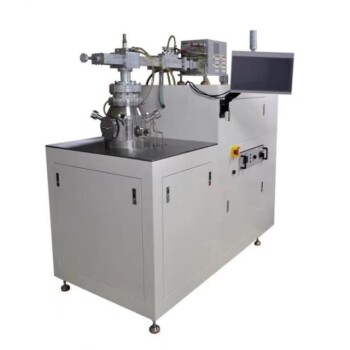
Cylindrical Resonator MPCVD Machine System Reactor for Microwave Plasma Chemical Vapor Deposition and Lab Diamond Growth

Microwave Plasma Chemical Vapor Deposition MPCVD Machine System Reactor for Lab and Diamond Growth
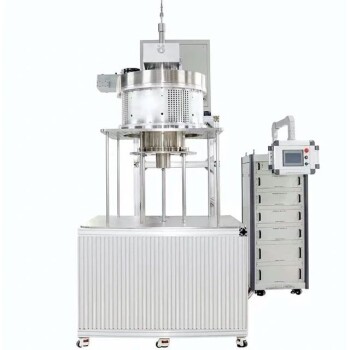
915MHz MPCVD Diamond Machine Microwave Plasma Chemical Vapor Deposition System Reactor
