The Chemical Vapor Deposition (CVD) method is a high-precision process that effectively grows diamonds "from scratch" by transforming gas into solid crystal. The process begins by placing a diamond seed into a sealed vacuum chamber, injecting carbon-rich gases, and using high-energy microwaves to create a plasma cloud that deposits carbon layer-by-layer onto the seed.
Core Takeaway Unlike natural formation which requires massive pressure, CVD relies on a unique combination of moderate heat and energized plasma to precipitate carbon. Crucially, this is not a continuous process; it requires frequent interruptions to polish away impurities, ensuring the final crystal maintains structural integrity.
Phase 1: Preparation and Initiation
Seed Selection and Cleaning
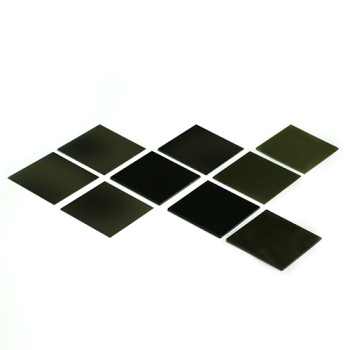
The process starts with a diamond seed, often a thin slice of existing diamond. This substrate is meticulously cleaned and often abraded with diamond powder to create an optimal surface for bonding.
Chamber Environment
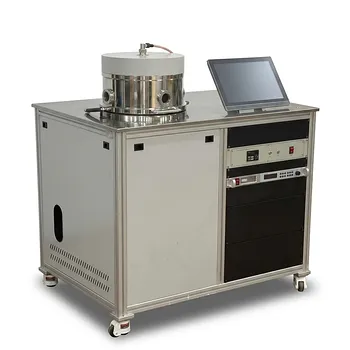
The prepared seed is placed inside a vacuum chamber. This isolation is critical to prevent contamination and control the precise atmospheric conditions required for growth.
Gas Injection
Once sealed, the chamber is filled with a specific mixture of gases. While the ratio is typically 1 part methane (the carbon source) to 99 parts hydrogen, other gases may be introduced if specific colors are desired.
Phase 2: The Growth Reaction
Thermal Activation
The chamber is heated to extreme temperatures, typically ranging from 900°C to 1200°C. This thermal environment is necessary to prepare the gases for chemical reaction.
Ionization and Plasma Creation
An energy source, most commonly a microwave beam, is directed into the chamber. This energy ionizes the gas mixture, turning it into plasma—a superheated, electrically charged gas cloud containing chemically active radicals.
Carbon Precipitation
Within this plasma cloud, the molecular bonds of the gases break down. Pure carbon atoms precipitate out of the plasma and rain down onto the cooler diamond seed, crystallizing in a layer-by-layer fashion.
Phase 3: Maintenance and Completion
The Polishing Interruption
Growth is not continuous. Every few days, the developing diamonds are removed from the chamber. Their top surfaces are polished to remove any non-diamond carbon (graphite) that may have formed, which could otherwise ruin the crystal structure.
Resuming Growth
After polishing, the diamonds are returned to the chamber to continue the deposition process. This cycle of growth and cleaning is repeated until the desired size is achieved.
Final Timeline
The entire growth cycle generally takes three to four weeks. Once completed, the resulting synthetic crystal is removed and is ready to be cut and polished into a finished gem.
Understanding the Trade-offs
Color and Clarity Nuances
While CVD creates stones with high clarity, they can sometimes exhibit warmer tones (G-I color grades). To achieve the best possible finish or whiteness, a CVD diamond may undergo a subsequent HPHT (High Pressure High Temperature) treatment.
Structural Variations
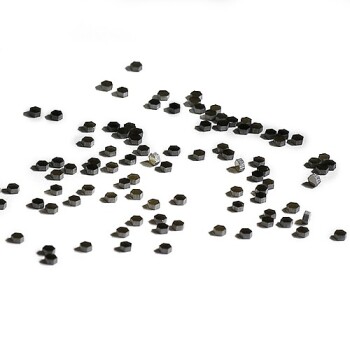
Depending on the specific conditions and substrate preparation, the process can yield single-crystal diamonds (used for jewelry) or polycrystalline diamonds (often used for industrial applications). The grain size and purity are strictly dictated by how well the plasma and temperature are controlled.
Making the Right Choice for Your Goal
When evaluating CVD diamonds or planning a project involving them, consider your specific requirements:
- If your primary focus is distinct color: Look for CVD processes that introduce specific trace elements into the lattice during the gas phase to achieve fancy colors.
- If your primary focus is highest purity: Ensure the process includes rigorous interruptions for polishing non-diamond carbon, as this maintenance is the key to preventing structural defects.
- If your primary focus is cost-efficiency: Acknowledge that while CVD is less energy-intensive than other methods, the final price is often influenced by the need for post-growth treatments like HPHT.
The CVD method represents a triumph of chemistry over geology, allowing for the precise fabrication of diamond material atom by atom.
Summary Table:
| Stage | Key Action | Critical Parameters |
|---|---|---|
| Preparation | Seed cleaning & gas injection | 1:99 Methane to Hydrogen ratio |
| Activation | Microwave ionization | Temperatures of 900°C to 1200°C |
| Growth | Plasma precipitation | Layer-by-layer carbon deposition |
| Maintenance | Surface polishing | Removal of non-diamond carbon (graphite) |
| Completion | Final harvesting | 3 to 4-week growth cycle |
Elevate Your Lab-Grown Diamond Production with KINTEK
Precision is the heartbeat of the CVD process. At KINTEK, we specialize in providing the high-performance laboratory equipment and consumables essential for advanced material synthesis.
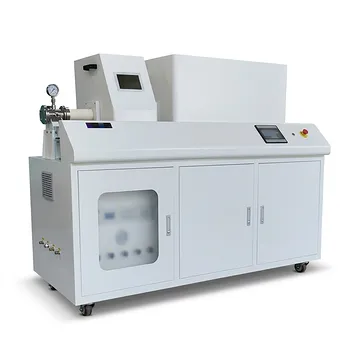
Whether you are focusing on single-crystal growth for jewelry or polycrystalline diamond for industrial applications, our comprehensive portfolio supports every stage of your workflow. We offer high-precision MPCVD and CVD systems, specialized high-temperature furnaces, and essential consumables like high-purity ceramics and crucibles designed to withstand extreme thermal environments.
Ready to optimize your carbon precipitation and achieve superior crystal clarity?
Contact KINTEK experts today to discover how our cutting-edge laboratory solutions can enhance your research and production efficiency.
Related Products
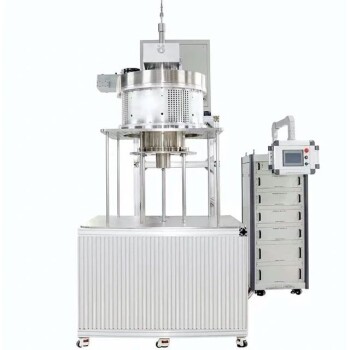
- 915MHz MPCVD Diamond Machine Microwave Plasma Chemical Vapor Deposition System Reactor
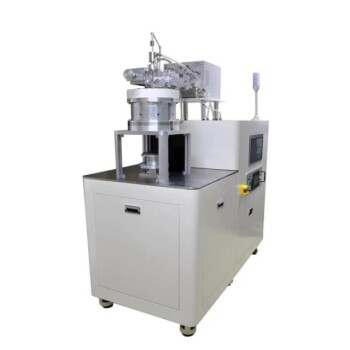
- Microwave Plasma Chemical Vapor Deposition MPCVD Machine System Reactor for Lab and Diamond Growth
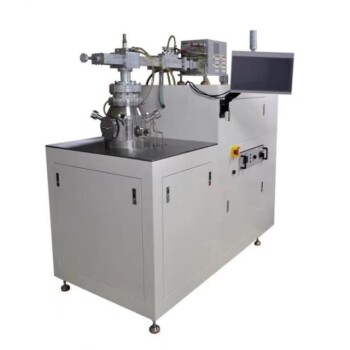
- Cylindrical Resonator MPCVD Machine System Reactor for Microwave Plasma Chemical Vapor Deposition and Lab Diamond Growth
- HFCVD Machine System Equipment for Drawing Die Nano-Diamond Coating
- CVD Diamond Domes for Industrial and Scientific Applications
People Also Ask
- How does a microwave plasma reactor facilitate the synthesis of diamond? Master MPCVD with Precision Technology
- What are the advantages of a Microwave Plasma CVD reactor for MCD/NCD coatings? Precision Multilayer Diamond Engineering
- How do vacuum pumps and valves collaborate in MPCVD? Achieve Precise Pressure Control for Superior CNT Synthesis
- What are the primary advantages of the CVD method for growing diamonds? Engineering High-Purity Gems and Components
- How is a diamond formed from CVD? The Science of Growing Diamonds Atom by Atom