Microwave Plasma Chemical Vapor Deposition (MW-PCVD) is definitively the preferred technology for producing high-purity Boron-Doped Diamond (BDD) films because it utilizes an electrodeless discharge mechanism. By generating high-density plasma via microwave energy rather than physical electrodes, the system eliminates the primary source of metal contamination. This results in a pristine deposition environment that guarantees superior crystalline quality and exceptional purity.
MW-PCVD prevents impurity contamination by detaching the plasma from reactor surfaces and eliminating metal electrodes. This unique isolation allows for a highly uniform, contaminant-free environment essential for synthesizing high-performance BDD films.
The Mechanics of Purity
To understand why MW-PCVD outperforms other methods for high-end applications, one must look at how it manages the deposition environment.
Eliminating Metal Contamination
Standard deposition methods often rely on metal electrodes or hot filaments to generate energy. These components inevitably degrade, releasing metal particles that contaminate the diamond film.
MW-PCVD avoids this entirely by using microwave energy to generate plasma without internal electrodes. This "electrodeless" approach ensures that the chemical composition of the BDD film remains uncompromised by the equipment itself.
Plasma Detachment
In a microwave system, the plasma is physically detached from the reactor surfaces.
This configuration prevents impurities found in the reactor's construction materials from leaching into the film's bulk. The result is a deposition zone that is chemically isolated from the hardware walls.
Enhancing Crystalline Structure
Beyond purity, MW-PCVD offers superior control over the physical structure of the diamond lattice.
High-Density Plasma Generation
This technology generates a high-density plasma that is remarkably uniform.
The intensity of this plasma facilitates the efficient dissociation of carbon gases and boron precursors. This promotes precise heteroepitaxial growth, which is critical for constructing a high-quality diamond lattice.
Operational Versatility
MW-PCVD equipment operates effectively across a wider range of pressures than many competing technologies.
Maintaining specific low-pressure environments increases the mean free path of active species and reduces collision losses. This enhances nucleation density, leading to refined diamond grains and lower residual stress in the final film.
Understanding the Trade-offs
While MW-PCVD is superior for purity, it is essential to recognize where other technologies fit into the landscape.
Scalability vs. Purity
MW-PCVD is unmatched for quality, but scaling it to very large surface areas presents engineering challenges.
In contrast, Hot Filament CVD (HFCVD) utilizes a simpler design with metal filaments. While HFCVD introduces a higher risk of metal contamination, it offers a cost-effective solution for producing large-scale BDD electrodes where absolute purity is secondary to size.
System Complexity
The generation of stable microwave plasma requires sophisticated technology. This typically results in a higher complexity of operation compared to the relatively simple resistive heating used in filament-based systems.
Making the Right Choice for Your Goal
Selecting the correct equipment depends entirely on the specific requirements of your application.
- If your primary focus is electrochemical performance and purity: Choose MW-PCVD to ensure a contaminant-free film with superior crystalline quality and stability.
- If your primary focus is large-scale industrial electrode production: Consider HFCVD as a cost-effective alternative that prioritizes dimension and throughput over ultra-high purity.
For applications where the material quality dictates the success of the device, MW-PCVD remains the undisputed industry standard.
Summary Table:
| Feature | MW-PCVD Technology | Benefits for BDD Synthesis |
|---|---|---|
| Discharge Method | Electrodeless Microwave Energy | Eliminates metal contamination from electrodes |
| Plasma Position | Detached from Reactor Walls | Prevents leaching of impurities from hardware |
| Plasma Density | High-Density Uniform Plasma | Efficient gas dissociation for superior crystal quality |
| Pressure Range | Wide Operating Range | Enhanced nucleation density and lower residual stress |
| Primary Application | High-Performance Electrochemicals | Maximum purity, stability, and crystalline integrity |
Elevate your material research with KINTEK’s advanced MW-PCVD systems. As specialists in high-temperature and vacuum technologies, KINTEK provides the precise laboratory equipment—including MPCVD systems, high-pressure reactors, and specialized consumables like ceramics and crucibles—needed for superior thin-film synthesis. Whether you are developing high-purity BDD films or exploring battery research, our engineering experts are ready to provide the custom solutions your laboratory requires. Contact KINTEK today to optimize your deposition process!
References
- Guangqiang Hou, Xiang Yu. Research and Application Progress of Boron-doped Diamond Films. DOI: 10.54097/hset.v58i.10022
This article is also based on technical information from Kintek Solution Knowledge Base .
Related Products
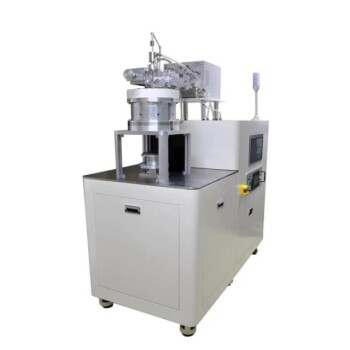
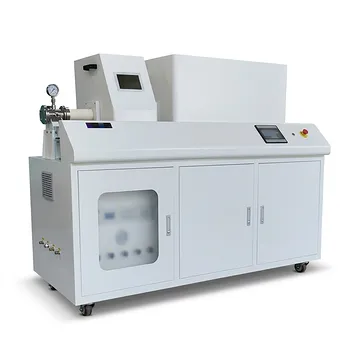
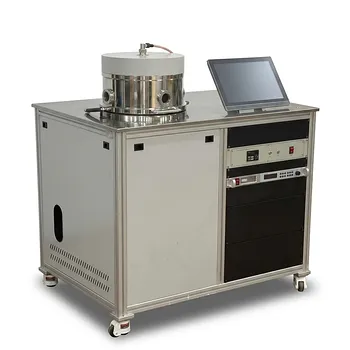
- Microwave Plasma Chemical Vapor Deposition MPCVD Machine System Reactor for Lab and Diamond Growth
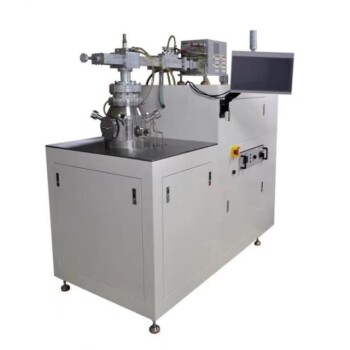
- Cylindrical Resonator MPCVD Machine System Reactor for Microwave Plasma Chemical Vapor Deposition and Lab Diamond Growth
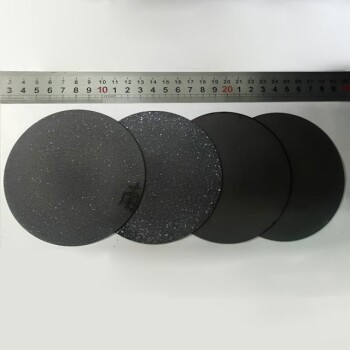
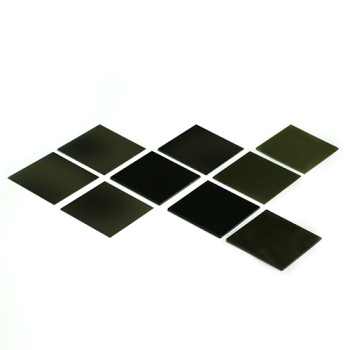
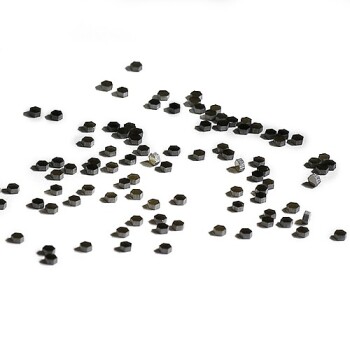
- Laboratory CVD Boron Doped Diamond Materials
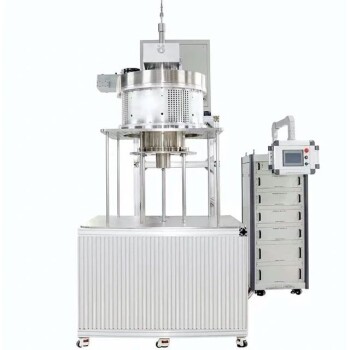
- 915MHz MPCVD Diamond Machine Microwave Plasma Chemical Vapor Deposition System Reactor
- Custom CVD Diamond Coating for Lab Applications
People Also Ask
- How does a microwave plasma reactor facilitate the synthesis of diamond? Master MPCVD with Precision Technology
- What are the advantages of a Microwave Plasma CVD reactor for MCD/NCD coatings? Precision Multilayer Diamond Engineering
- How do vacuum pumps and valves collaborate in MPCVD? Achieve Precise Pressure Control for Superior CNT Synthesis
- How does MPCVD work? A Guide to Low-Temperature, High-Quality Film Deposition
- What is microwave plasma chemical vapor deposition? A Guide to High-Purity Diamond Film Growth