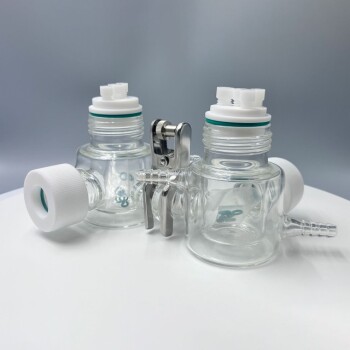
The applicable temperature range for the H-type electrolytic cell is typically from 0°C to 60°C. To maintain specific conditions within this range, the temperature is controlled by connecting the cell to an external constant temperature water bath device.
Precision in temperature control is as critical as voltage or current settings in electrochemical experiments. While the H-type cell offers a flexible operating range, maintaining a stable thermal environment is essential for reproducible data and the physical integrity of the apparatus.
Achieving Precise Thermal Control
To ensure experimental accuracy, you must move beyond simple ambient monitoring and actively regulate the cell's environment.
External Water Bath Integration
The primary mechanism for thermal regulation is the connection to a constant temperature water bath.
By circulating water through the cell's jacket or connected channels, the external device dictates the internal temperature. This allows you to meet the specific thermal requirements of diverse electrochemical or photo-electrochemical experiments.
The Importance of Gradual Adjustment
When setting up your experiment, you must adjust the water bath temperature gradually.
Avoid sudden shifts in temperature settings. Rapid thermal changes can lead to inaccurate experimental results due to unstable reaction rates. furthermore, thermal shock poses a risk of damaging the glass structure of the electrolytic cell.
Active Monitoring
Relying solely on the water bath's display is insufficient for high-precision work.
You should regularly check the thermometer and temperature controller of the water bath to ensure they are functioning correctly. throughout the experiment, observe the cell for temperature fluctuations to identify and address issues immediately.
Understanding the Constraints and Risks
While the H-type cell is versatile, it has strict operational boundaries that must be respected to prevent failure.
Adhering to the 0°C to 60°C Limit
The 0°C to 60°C range is the verified safe operating window for this equipment.
Exceeding the upper limit (60°C) or dropping below the lower limit (0°C) can severely impact experimental results. More critically, extreme temperatures may cause irreversible physical damage to the electrolytic cell materials or seals.
Stability vs. Environmental Influence
Even with a water bath, external factors can influence thermal stability.
Issues such as leaks in the sealing or aging wiring can compromise temperature maintenance. Regular inspections of the cell's sealing and connections are necessary to ensure the external bath can effectively control the internal environment.
Making the Right Choice for Your Goal
To maximize the utility of your H-type electrolytic cell, align your operational procedures with your specific experimental needs.
- If your primary focus is Data Reproducibility: Prioritize high-precision monitoring of the water bath and avoid any sudden parameter changes during the active electrolysis phase.
- If your primary focus is Equipment Longevity: Strictly adhere to the 0°C–60°C limit and perform regular safety inspections on the cell's seals to prevent thermal leaks.
By treating temperature control as a dynamic variable requiring active management, you ensure both the safety of your equipment and the validity of your electrochemical data.
Summary Table:
| Feature | Specification / Requirement |
|---|---|
| Safe Temperature Range | 0°C to 60°C |
| Primary Control Method | External Constant Temperature Water Bath |
| Regulation Mechanism | Circulating water through cell jacket/channels |
| Adjustment Protocol | Gradual changes to avoid thermal shock |
| Critical Precautions | Monitor for leaks, inspect seals, and verify thermometers |
Elevate Your Electrochemical Precision with KINTEK
Don't let temperature fluctuations compromise your research integrity. KINTEK specializes in high-performance laboratory equipment, providing the precision you need for advanced electrochemical and photo-electrochemical studies.
Our extensive portfolio includes:
- Advanced Electrolytic Cells & Electrodes (including H-type cells designed for stability)
- High-temperature furnaces and high-pressure reactors
- Cooling solutions like ULT freezers and cold traps
- Precision hydraulic presses and battery research tools
Whether you are conducting delicate battery research or high-pressure synthesis, KINTEK offers the consumables and hardware—from PTFE products to specialized ceramics—that ensure your lab operates at peak efficiency.
Ready to optimize your experimental setup? Contact our technical experts today to find the perfect thermal control and electrolytic solutions for your specific application.
Related Products
- H-Type Double-Layer Optical Electrolytic Electrochemical Cell with Water Bath
- H Type Electrolytic Cell Triple Electrochemical Cell
- Customizable PEM Electrolysis Cells for Diverse Research Applications
- Electrolytic Electrochemical Cell with Five-Port
- Super Sealed Electrolytic Electrochemical Cell
People Also Ask
- What is the overall structure of the H-type double-layer optical water bath electrolytic cell? Precision Design for Controlled Experiments
- How is the electrolyte managed in H-type electrolytic cells for specific reactions? Achieve Precise Control and High Purity
- What checks should be performed on the H-type electrolytic cell before use? Ensure Accurate Electrochemical Data
- What is important regarding temperature control for the H-type electrolytic cell? Ensure Precision and Data Integrity
- What is the overall structure of the H-type electrolytic cell? Understanding Dual-Chamber Electrochemical Designs