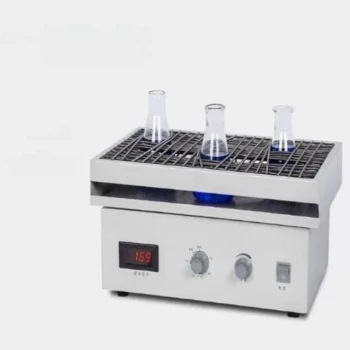
The primary function of a temperature-controlled orbital shaker is to simultaneously provide a stable thermodynamic environment and continuous mechanical power during the enzymatic hydrolysis of biomass. By maintaining a precise temperature (typically 50°C) and a constant rotation speed (such as 200 rpm), the device ensures that cellulase enzymes maintain maximum activity while physically interacting with the solid wheat and corn straw. This dual action prevents solid particles from settling and significantly increases the conversion yields of glucose and xylose.
The orbital shaker bridges the gap between biological potential and physical reality; it maintains the optimal thermal floor for enzymes while using mechanical force to overcome mass transfer limitations inherent in solid substrates.
Establishing Thermodynamic Stability
The Role of Temperature Regulation
Enzymatic hydrolysis is a temperature-dependent biochemical reaction. The shaker creates a stable thermodynamic environment, typically holding the reaction at 50°C.
Maximizing Enzyme Kinetics
This specific temperature is critical because it aligns with the optimal operating range of cellulase enzymes. Deviating from this thermal baseline can reduce enzyme activity or denature the proteins, leading to lower conversion rates.
Enhancing Mass Transfer Through Agitation
Preventing Sedimentation
Without mechanical intervention, solid substrates like wheat and corn straw tend to settle or float, separating them from the liquid enzyme solution. The shaker’s continuous rotation prevents this sedimentation of solid particles.
Optimizing Contact Frequency
The orbital motion generates mechanical shear. This physical force increases the contact frequency between the enzyme molecules and the solid cellulose surface.
Ensuring Homogeneity
Beyond simple mixing, the agitation ensures a uniform distribution of nutrients and prevents localized concentration gradients. This allows for a consistent reaction rate throughout the entire vessel.
Common Pitfalls and Distinctions
The Limits of Mechanical Shear
While mechanical power is necessary to expose the cellulose, the goal is thorough mixing, not destruction. The rotation speed (e.g., 200 rpm) is optimized to maximize mass transfer without necessarily damaging the enzymes or the equipment through excessive force.
Distinguishing Hydrolysis from Pretreatment
It is vital not to confuse the role of the orbital shaker with that of a hydrothermal reactor.
- The Shaker: Operates at mild temperatures (~50°C) and atmospheric pressure for enzymatic hydrolysis.
- The Reactor: As noted in supplementary data, pretreatment reactors operate at high temperatures (170°C–196°C) and high pressure to break down lignocellulosic structures. The shaker cannot replace the reactor for this initial high-energy breakdown step.
Making the Right Choice for Your Goal
To maximize the efficiency of your biomass conversion, align your equipment settings with your specific objectives:
- If your primary focus is maximizing sugar yields: Ensure your rotation speed is sufficient (e.g., 200 rpm) to keep all solids in suspension, as surface area contact is the main driver of glucose and xylose production.
- If your primary focus is reaction stability: Prioritize the precision of the heating element; even minor fluctuations below or above 50°C can significantly alter enzymatic efficiency over long hydrolysis periods.
- If your primary focus is process design: Clearly distinguish between the pretreatment phase (high heat/pressure) and the hydrolysis phase (moderate heat/agitation); the orbital shaker is exclusively designed for the latter.
Effective hydrolysis requires a delicate balance where thermal precision meets mechanical consistency.
Summary Table:
| Feature | Function in Enzymatic Hydrolysis | Impact on Process |
|---|---|---|
| Thermal Regulation | Maintains stable 50°C environment | Maximizes cellulase enzyme kinetics and prevents denaturation. |
| Orbital Agitation | Prevents sedimentation of straw particles | Increases contact frequency between enzymes and solid substrates. |
| Mechanical Shear | Overcomes mass transfer limitations | Ensures homogeneity and consistent reaction rates throughout the vessel. |
| Process Phase | Specialized for hydrolysis stage | Bridges the gap between biological potential and physical reality. |
Maximize Your Biomass Conversion Efficiency with KINTEK
Precision is the key to unlocking maximum glucose and xylose yields. KINTEK specializes in high-performance laboratory equipment designed to meet the rigorous demands of biomass research. From advanced temperature-controlled shakers and homogenizers that ensure perfect enzymatic mixing, to high-temperature high-pressure reactors and autoclaves for critical pretreatment phases, we provide the tools you need for every step of the process.
Whether you are refining your hydrolysis parameters or scaling up your biofuel research, our comprehensive portfolio—including PTFE consumables, ceramics, and cooling solutions—delivers the reliability your lab deserves.
Ready to elevate your research results? Contact KINTEK today to discover how our tailored solutions can optimize your laboratory workflow!
References
- Lili Jia, Junhua Zhang. Comparison of the Delignifiability and Hydrolysability of Wheat Straw and Corn Stover in Aqueous Ammonia Pretreatment. DOI: 10.15376/biores.8.3.4505-4517
This article is also based on technical information from Kintek Solution Knowledge Base .
Related Products
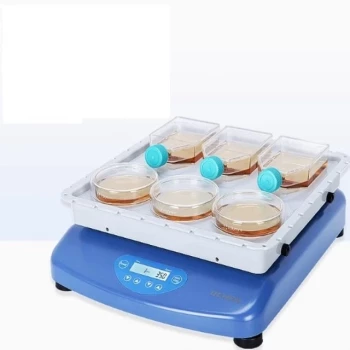
- Laboratory Oscillating Orbital Shaker
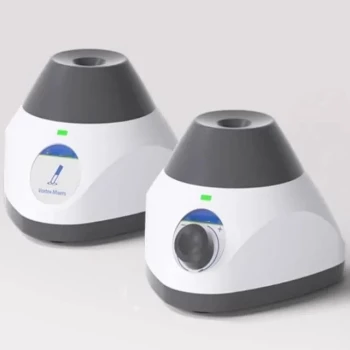
- Laboratory Vortex Mixer Orbital Shaker Multifunctional Rotation Oscillation Mixer
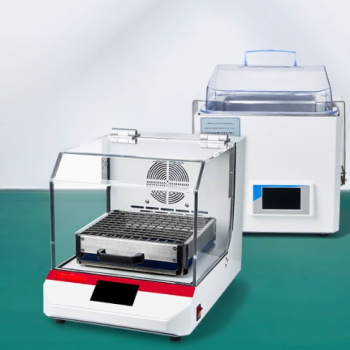
- Shaking Incubators for Diverse Laboratory Applications
- Laboratory Test Sieves and Vibratory Sieve Shaker Machine
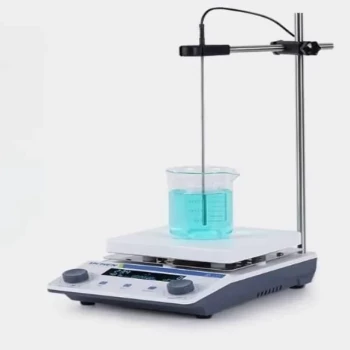
- Laboratory Small Constant Temperature Heated Magnetic Stirrer Heater and Stirrer
People Also Ask
- What is the role of a laboratory orbital shaker in activated carbon synthesis? Maximize Pore Depth & Surface Area
- What is the role of a laboratory orbital shaker in copper recovery? Optimize Industrial Waste Liquid Processing
- Why are high-precision shakers required for graphene oxide kinetic studies? Ensure Data Accuracy and Rapid Equilibrium
- What is the role of a laboratory shaker in silane sol preparation? Master Uniform Aramid Fabric Coating
- Why is a laboratory shaker required for continuous 24-hour catalyst treatment? Achieve Deep Uniform Impregnation