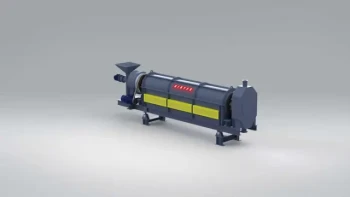
High-temperature high-pressure reactors and tube furnaces act as the fundamental thermochemical environment for converting raw biomass into functional carbon electrodes. These devices provide the precise thermal control and inert atmospheres required to drive carbonization and activation, transforming organic precursors into conductive, porous frameworks. By facilitating controlled pyrolysis, they enable the engineering of specific microstructures and surface chemistries essential for electrochemical energy storage.
These high-temperature systems are critical for the controlled thermal decomposition of biomass, allowing researchers to dictate the resulting material's conductivity, porosity, and chemical stability. Without the precise atmosphere and heating rates these tools provide, biomass cannot achieve the structural integrity required for high-performance electrode applications.
The Role of Controlled Environments in Carbonization
Facilitating Precise Pyrolysis
High-temperature tube furnaces provide a stable environment, typically ranging from 500 °C to 1000 °C, to facilitate the reductive pyrolysis of biomass. This process triggers thermal decomposition reactions where organic molecules undergo chemical bond breaking and reorganization in an oxygen-free state.
Maintaining Inert Atmospheres
To prevent the combustion of carbon, these devices maintain a controlled, inert atmosphere using high-purity gases like nitrogen (N2) or argon (Ar). This oxygen-free environment is the physical foundation for removing volatile components while preserving a stable carbon skeleton.
Driving Dehydration and Deoxygenation
During the heating process, the furnace facilitates the dehydration and deoxygenation of the biomass. This removal of non-carbon elements is essential for converting lignocellulosic components into stable carbon structures with high electrochemical activity.
Engineering Microstructure and Conductivity
Constructing Multi-Scale Pore Structures
The precise heating curves provided by these reactors facilitate the construction of multi-scale pore structures with large specific surface areas. These micropores and mesopores are vital for increasing the available sites for ion adsorption and transport in supercapacitors and batteries.
Inducing Graphitization for Conductivity
High-temperature treatment, often at or above 900 °C, induces the graphitization of amorphous carbon. This transition significantly enhances the material's electrical conductivity, ensuring the electrode can efficiently transport electrons during charge and discharge cycles.
Tuning the Electrochemical Window
By controlling the sintering temperature and duration, these furnaces help produce carbon materials with a wide electrochemical window. This stability is critical for ensuring the electrode does not degrade when exposed to harsh acidic or alkaline electrolytes.
Surface Chemistry and Functionalization
Retaining Active Functional Groups
While high heat removes many volatiles, specific furnace settings allow for the retention of oxygen- and nitrogen-containing functional groups. These groups enhance the hydrophilicity of the carbon material and can provide additional pseudocapacitance, boosting overall energy storage performance.
Creating Substrates for Catalysis
In specialized applications, such as the production of sulfonated catalysts, these furnaces form a highly stable carbon skeleton. This porous substrate is then used for the subsequent chemical introduction of active acid centers required for efficient chemical conversions.
Understanding the Trade-offs
The Balance of Temperature and Surface Area
Higher temperatures generally increase electrical conductivity through graphitization but can lead to the collapse of delicate micropores. This reduces the total specific surface area, potentially lowering the total capacitance of the material despite the better conductivity.
Heating Rate vs. Structural Integrity
Rapid heating rates can lead to the "explosive" release of volatile gases, which may create large macropores at the expense of structural density. Conversely, very slow heating rates may result in a more dense, less porous material that hinders fast ion diffusion.
Reactor Type Limitations
Tube furnaces are excellent for atmospheric control and batch processing but may have limitations in pressure-sensitive reactions. High-pressure reactors allow for different chemical kinetics and "solvothermal" carbonization, though they are often more complex to operate and have lower volume throughput than industrial tube furnaces.
How to Apply This to Your Project
- If your primary focus is high electrical conductivity: Prioritize higher temperatures (above 900 °C) and longer isothermal periods to maximize the graphitization of the carbon framework.
- If your primary focus is maximum ion storage (Capacitance): Utilize moderate temperatures (600 °C - 800 °C) and precise activation agents to develop an extensive network of micropores.
- If your primary focus is chemical stability in harsh electrolytes: Ensure a high degree of carbonization to create a stable, chemically inert skeleton that resists degradation.
- If your primary focus is surface reactivity: Use lower carbonization temperatures (400 °C - 600 °C) to retain natural oxygen and nitrogen functional groups within the biomass structure.
By mastering the thermal profile and atmospheric conditions of these reactors, you can precisely tune biomass-derived carbon to meet the specific demands of next-generation energy storage systems.
Summary Table:
| Process Function | Impact on Biomass Material | Critical Parameters |
|---|---|---|
| Reductive Pyrolysis | Drives dehydration and deoxygenation to form stable carbon | 500°C - 1000°C |
| Inert Atmosphere | Prevents combustion; preserves carbon skeleton using N2/Ar | Oxygen-free state |
| Graphitization | Transforms amorphous carbon into conductive frameworks | ≥ 900°C |
| Pore Engineering | Constructs multi-scale structures for ion transport | Heating rate & Duration |
| Functionalization | Retains active N/O groups for enhanced pseudocapacitance | 400°C - 600°C |
Elevate Your Energy Storage Research with KINTEK
Achieve unmatched precision in biomass-derived carbon synthesis with KINTEK’s advanced thermal solutions. Whether you are engineering high-surface-area supercapacitors or high-conductivity battery anodes, our tube furnaces, high-temperature high-pressure reactors, and vacuum furnaces provide the stable, inert environments required for superior material performance.
Why Partner with KINTEK?
- Precision Control: Master your pyrolysis and graphitization curves with industry-leading thermal stability.
- Versatile Equipment: Access a full range of CVD, PECVD, and rotary furnaces alongside high-pressure autoclaves.
- Total Lab Support: We supply essential consumables, including PTFE products, high-purity ceramics, and crucibles, to ensure your research never stops.
Ready to optimize your carbonization process? Contact KINTEK Today to discuss your project and discover how our equipment can drive your next breakthrough in energy storage.
References
- Kai Fan, Jing Liu. Preparation of Carbon Electrode Material with a Large Specific Surface Area and Multiscale Pore Structure from Biowaste Kochia for Symmetrical Supercapacitor. DOI: 10.1002/ente.202201281
This article is also based on technical information from Kintek Solution Knowledge Base .
Related Products
- Customizable Laboratory High Temperature High Pressure Reactors for Diverse Scientific Applications
- Customizable High Pressure Reactors for Advanced Scientific and Industrial Applications
- Stainless High Pressure Autoclave Reactor Laboratory Pressure Reactor
- Graphite Vacuum Furnace Bottom Discharge Graphitization Furnace for Carbon Materials
- Mini SS High Pressure Autoclave Reactor for Laboratory Use
People Also Ask
- How do high-pressure and high-temperature reactors ensure the effective treatment of lignocellulosic wastewater in WAO?
- What equipment is required for high-pressure high-temperature reactions? Master Extreme Chemistry Safely
- How do you control high pressure in a reactor? A Guide to Safe & Stable Operation
- Why is argon better than nitrogen for inert atmosphere? Ensure Absolute Reactivity & Stability
- How does initial oxygen pressure affect the wet oxidation of pharmaceutical sludge? Master Your Oxidation Depth