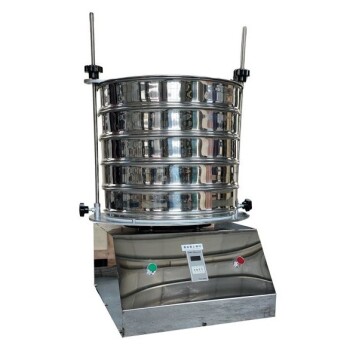
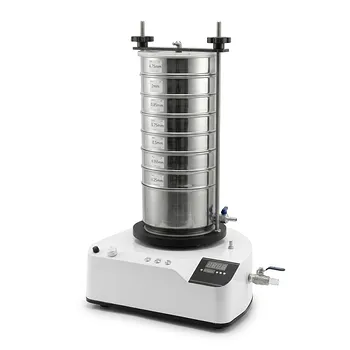
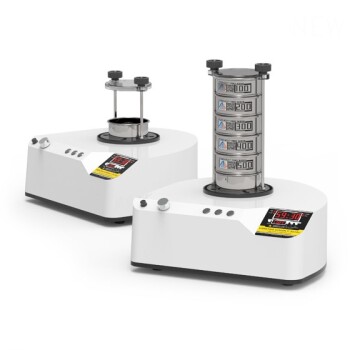
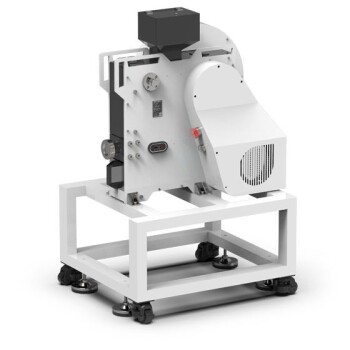
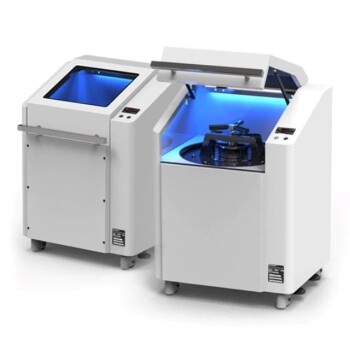
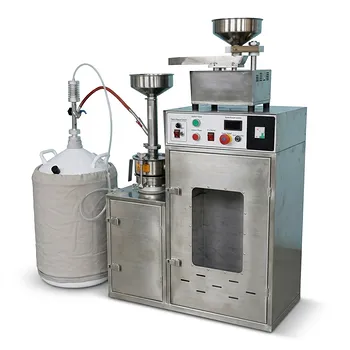
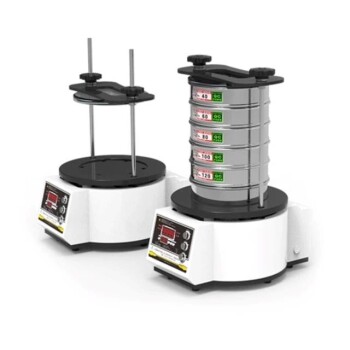
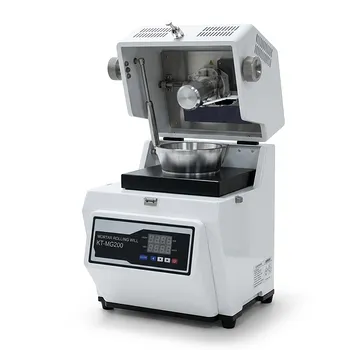
Industrial crushing and sieving systems serve as the fundamental gateway for converting Municipal Solid Waste (MSW) into usable energy. These mechanical units physically pulverize raw waste to reduce its volume and classify it based on particle size, typically separating components smaller than 40 mm for downstream processing.
By standardizing particle size and increasing specific surface area, these systems optimize the feedstock for thermochemical reactions. They effectively separate non-combustible recyclables from organic-rich fuel, ensuring the stability and efficiency of processes like gasification or pyrolysis.
The Mechanics of Material Preparation
Physical Volume Reduction
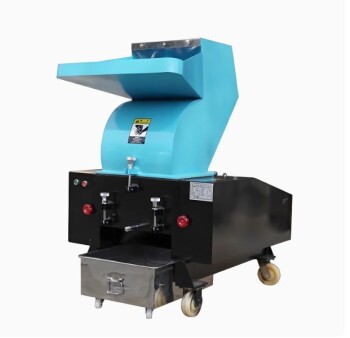
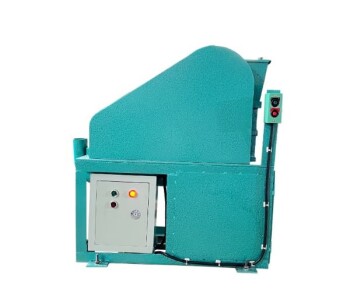
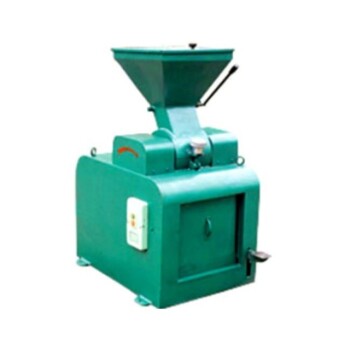
The primary mechanical action of these systems is the application of force to pulverize heterogeneous raw waste. This transforms bulky, irregular objects into smaller, manageable fragments.
Particle Classification
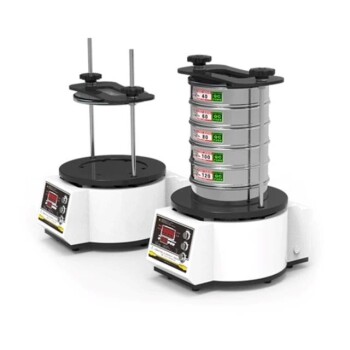
Following pulverization, sieving systems classify the material according to specific size thresholds, such as 40 mm. This step is critical for sorting the waste stream into distinct fractions.
Separation of Streams
The classification process effectively segregates recyclable materials from organic-rich components. The organic fraction is directed toward energy recovery methods like gasification, while non-combustible materials are removed.
Enhancing Reaction Efficiency
Increasing Specific Surface Area
Crushing significantly increases the specific surface area of the waste material. This physical alteration exposes more of the material to heat and reactants during the conversion process.
Improving Reaction Uniformity
By unifying the particle size, the system ensures that the feedstock reacts consistently. A uniform specific surface area is vital for obtaining stable kinetic data and ensuring predictable energy output.
Optimizing Heat Transfer
Smaller, uniform particles minimize resistance to heat and mass transfer. This reduces internal temperature gradients within the fuel, allowing heat to penetrate rapidly and uniformly during thermochemical conversion.
Understanding the Trade-offs
Balancing Energy Cost vs. Particle Size
While smaller particles react better, achieving very fine particle sizes requires significantly higher energy input during the crushing stage. Operators must find the optimal balance where the energy gained from improved conversion outweighs the energy spent on grinding.
Maintenance and Wear
MSW is highly abrasive and heterogeneous. High-intensity crushing systems are subject to rapid wear and tear, requiring frequent maintenance to prevent downtime and ensure consistent sieving accuracy.
Making the Right Choice for Your Goal
To maximize the value of your MSW-to-energy plant, you must tune your crushing and sieving parameters to your specific conversion technology.
- If your primary focus is Thermal Efficiency: Prioritize finer particle reduction to maximize surface area and minimize heat transfer resistance during gasification.
- If your primary focus is Material Recovery: Optimize the sieving thresholds to ensure maximum separation of recyclables from the fuel stream before thermal processing.
Precision in the pretreatment stage is the single most effective way to guarantee the stability of your downstream energy production.
Summary Table:
| System Function | Key Mechanism | Benefit for Energy Conversion |
|---|---|---|
| Physical Reduction | Mechanical pulverization | Reduces waste volume and standardizes feedstock size. |
| Particle Classification | Sieving (e.g., <40 mm) | Segregates organic-rich fuel from non-combustible recyclables. |
| Surface Area Expansion | Fine grinding | Increases reaction rates and improves thermochemical stability. |
| Heat Transfer Optimization | Uniform particle sizing | Minimizes temperature gradients and ensures rapid heat penetration. |
Maximize Your MSW-to-Energy Efficiency with KINTEK
Precision pretreatment is the foundation of stable energy production. KINTEK specializes in high-performance crushing and milling systems and precise sieving equipment designed to handle the toughest Municipal Solid Waste challenges. Whether you are optimizing for gasification, pyrolysis, or material recovery, our laboratory and industrial-grade solutions ensure consistent particle size and superior heat transfer performance.
From high-temperature furnaces to advanced crushing systems, KINTEK provides the tools researchers and plant operators need for predictable energy output. Contact us today to discuss how our crushing and sieving expertise can enhance your waste-to-energy workflows!
References
- Izabela S. Pieta, Ewa M. Serwicka. Waste into Fuel—Catalyst and Process Development for MSW Valorisation. DOI: 10.3390/catal8030113
This article is also based on technical information from Kintek Solution Knowledge Base .
Related Products
- Laboratory Test Sieves and Sieving Machines
- Laboratory Vibratory Sieve Shaker Machine for Dry and Wet Three-Dimensional Sieving
- Three-dimensional electromagnetic sieving instrument
- Laboratory Jaw Crusher
- Powerful Plastic Crusher Machine
People Also Ask
- What are laboratory test sieves used for? A Guide to Particle Size Analysis
- How do you calculate the sieve test? Master Particle Size Distribution for Quality Control
- How does a lab test sieve contribute to biomass charcoal powder preparation? Achieve Uniform Particle Size
- What are the specifications for test sieves? A Guide to ASTM & ISO Standards for Accurate Particle Analysis
- What materials are required for sieving? Achieve Accurate Particle Size Analysis