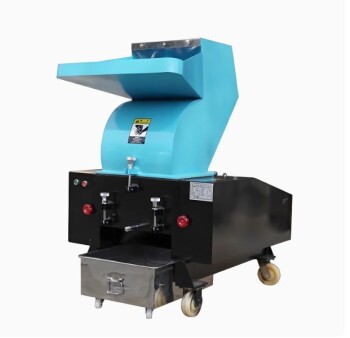
Mechanical crushing is the primary method used to physically deconstruct the complex architecture of porous Nitinol alloys for internal analysis. This process involves deliberately fracturing the 500-1000 micrometer thick walls of the material to expose hidden internal surfaces that are inaccessible through non-destructive means.
Mechanical crushing allows researchers to physically distinguish between the ductile core and brittle surface layers, enabling the precise measurement of diffusion-hardened zones and their impact on structural integrity.
Unveiling the Internal Structure
To understand the true mechanical nature of porous Nitinol, researchers must look beyond the exterior surface.
Exposing Internal Fracture Surfaces
The walls of porous Nitinol alloys are substantial, typically ranging from 500 to 1000 micrometers in thickness.
Mechanical crushing breaks these thick walls, revealing the internal cross-sections. This exposure is critical for examining the material's internal consistency and structure.
Differentiating Material Behaviors
Once the material is crushed and the interior is exposed, distinct fracture characteristics become visible.
Researchers use this data to compare the ductile fracture characteristics of the main wall array against the brittle cleavage features found in the surface reinforcement layers.
Quantitative Analysis Capabilities
The physical breakdown of the alloy provides specific data points that define the material's performance profile.
Measuring Diffusion Hardening
A key objective of this analysis is to determine the depth of surface treatments.
By analyzing the cross-sections of the fractured walls, researchers can precisely measure the thickness of the diffusion-hardened layer.
Evaluating Mechanical Impact
The relationship between the hardened surface and the ductile core defines the alloy's performance.
Crushing tests allow engineers to evaluate how the diffusion layer influences the overall mechanical properties of the porous alloy.
Understanding the Trade-offs
While mechanical crushing provides invaluable data, it is important to recognize the limitations of this approach.
Destructive Testing
The primary drawback is that this is a destructive process.
The sample used for analysis is physically broken and cannot be used for subsequent functional testing or implantation.
Interpretation Complexity
Analyzing the boundary between ductile and brittle zones requires expertise.
Distinguishing between the main wall array and the surface reinforcement layers relies on a clear understanding of fracture mechanics to avoid misinterpreting the material's failure modes.
Making the Right Choice for Your Analysis
Mechanical crushing is a targeted technique best used when you need to validate the internal microstructure of your alloy.
- If your primary focus is material characterization: Use mechanical crushing to measure the exact thickness of the diffusion-hardened layer within the pore walls.
- If your primary focus is failure analysis: Use this method to contrast the ductile behavior of the core against the brittle nature of the surface layers.
By effectively utilizing mechanical crushing, you convert a complex porous structure into measurable data that drives better material engineering.
Summary Table:
| Feature | Mechanical Crushing Analysis | Impact on Nitinol Research |
|---|---|---|
| Core Method | Physical fracture of 500-1000μm walls | Exposes internal surfaces for detailed inspection |
| Data Extraction | Cross-sectional measurement | Determines precise thickness of diffusion-hardened layers |
| Material Insight | Ductile vs. Brittle comparison | Distinguishes core integrity from surface reinforcement |
| Application | Destructive failure analysis | Validates microstructural consistency and performance |
Elevate Your Material Analysis with KINTEK Precision
Unlock the full potential of your alloy research with KINTEK’s high-performance crushing and milling systems. Whether you are characterizing complex porous Nitinol or developing advanced biomaterials, our laboratory equipment ensures the precision and reliability your data demands.
From heavy-duty crushing systems and sieving equipment for material deconstruction to high-temperature furnaces and isostatic presses for synthesis, KINTEK provides a comprehensive ecosystem for metallurgy and material science professionals.
Ready to refine your research workflow? Contact our experts today to discover how KINTEK’s specialized tools can enhance your lab’s efficiency and analytical accuracy.
References
- Yu.F. Yasenchuk Yu., V.E. Gunther. Crystallization Features of Porous TiNi Made by SHS. DOI: 10.18502/kms.v2i1.783
This article is also based on technical information from Kintek Solution Knowledge Base .
Related Products
People Also Ask
- What is the primary purpose of using an industrial-grade grinder for flax straw? Optimize Biomass Pretreatment Now
- What is the primary function of a crushing system? Optimize Rice Husk Fractionation with Precise Size Reduction
- What is the primary function of industrial crushers in battery dismantling? Optimize Your Recovery Feedstock
- What are the contaminants in plastic pyrolysis oil? Manage Impurities for Commercial Success
- Why is it necessary to use an ultrasonic cell disruptor before yeast flow cytometry? Ensure Data Accuracy